Functional Genomics Research Tools and Experimental Design: A Comprehensive Guide for Scientists
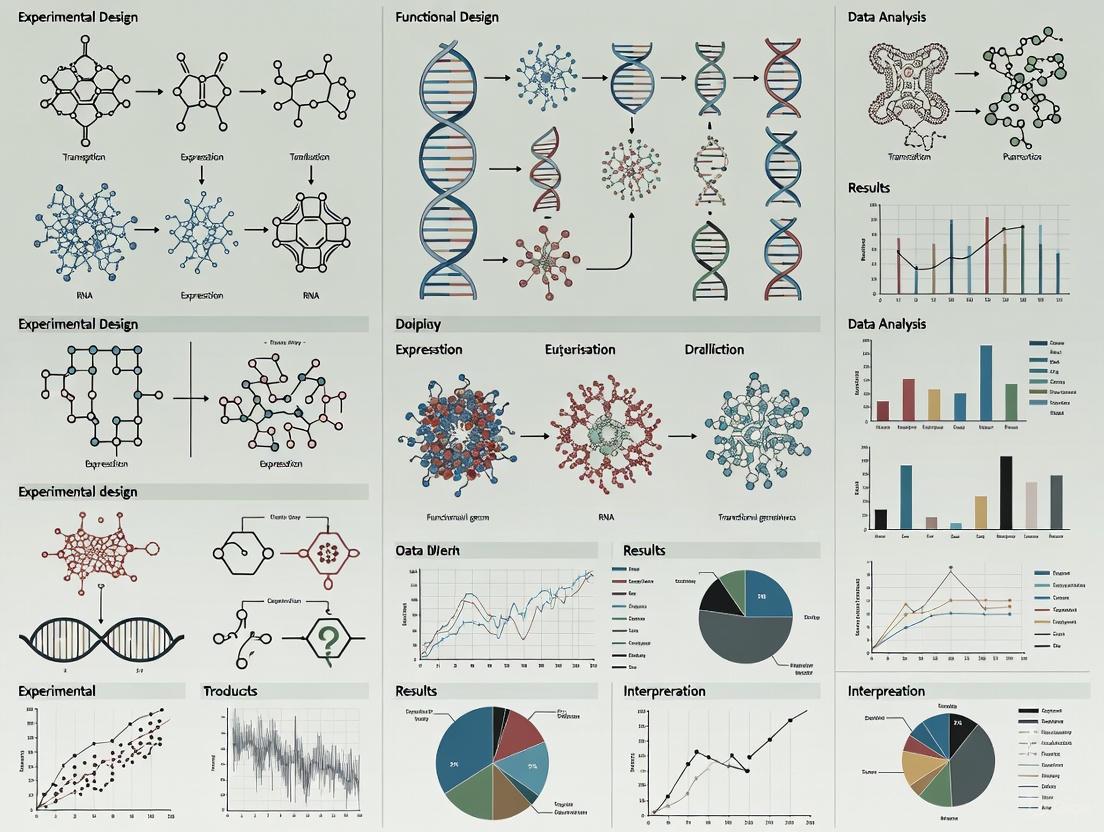
This article provides researchers, scientists, and drug development professionals with a comprehensive overview of the functional genomics landscape.
Functional Genomics Research Tools and Experimental Design: A Comprehensive Guide for Scientists
Abstract
This article provides researchers, scientists, and drug development professionals with a comprehensive overview of the functional genomics landscape. It covers foundational concepts and the goals of understanding gene function and interactions, details the core technologies from CRISPR to Next-Generation Sequencing (NGS) and their applications in drug discovery and disease modeling, addresses common challenges and optimization strategies for complex systems and data analysis, and offers frameworks for validating findings and comparing the strengths of different methodological approaches. The integration of artificial intelligence and multi-omics data is highlighted as a key trend shaping the future of the field.
Understanding Functional Genomics: From Gene Sequence to Biological Function
Functional genomics is a field of molecular biology that attempts to describe gene and protein functions and interactions, moving beyond the static information of DNA sequences to focus on the dynamic aspects such as gene transcription, translation, and regulation [1] [2]. It leverages high-throughput, genome-wide approaches to understand the relationship between genotype and phenotype, ultimately aiming to provide a complete picture of how the genome specifies the functions and dynamic properties of an organism [1] [3].
This guide explores the core techniques, applications, and experimental protocols that define modern functional genomics research, with a focus on its critical role in drug discovery and the development of advanced research tools.
Core Techniques and Methodologies in Functional Genomics
Functional genomics employs a wide array of techniques to measure molecular activities at different biological levels, from DNA to RNA to protein. These techniques are characterized by their multiplex nature, allowing for the parallel measurement of the abundance and activities of many or all gene products within a biological sample [1].
Table 1: Key Functional Genomics Techniques by Biological Level
| Biological Level | Technique | Primary Application | Key Advantage |
|---|---|---|---|
| DNA | ChIP-sequencing [1] | Identifying DNA-protein interaction sites [1] | Genome-wide mapping of transcription factor binding or histone modifications [1] |
| ATAC-seq [1] | Assaying regions of accessible chromatin [1] | Identifies candidate regulatory elements (promoters, enhancers) [1] | |
| Massively Parallel Reporter Assays (MPRAs) [1] | Testing the cis-regulatory activity of DNA sequences [1] | High-throughput functional testing of thousands of regulatory elements in parallel [1] | |
| RNA | RNA sequencing (RNA-Seq) [1] [4] | Profiling gene expression and transcriptome analysis [1] [4] | Direct, quantitative, and does not require prior knowledge of gene sequences [4] |
| Microarrays [1] [4] | Measuring mRNA abundance [1] | Well-studied, high-throughput method for expression profiling [4] | |
| Perturb-seq [1] | Coupling CRISPR with single-cell RNA sequencing | Measures the effect of single-gene knockdowns on the entire transcriptome in single cells [1] | |
| Protein | Mass Spectrometry (MS) / AP-MS [1] | Identifying proteins and protein-protein interactions [1] | High-throughput method for identifying and quantifying proteins and complex members [1] |
| Yeast Two-Hybrid (Y2H) [1] [4] | Detecting physical protein-protein interactions [1] | Relatively simple system for identifying interacting protein partners [1] [4] | |
| Gene Function | CRISPR Knockouts [1] [5] | Determining gene function via deletion | Precise, programmable, and adaptable for genome-wide screens [5] |
| Deep Mutational Scanning [1] | Assessing the functional impact of numerous protein variants [1] | Multiplexed assay allowing effects of thousands of mutations to be characterized simultaneously [1] |
Detailed Experimental Protocols in Functional Genomics
Genome-Wide CRISPR-Cas9 Knockout Screening
CRISPR-based screening is a cornerstone of modern functional genomics for unbiased assessment of gene function [6]. The following protocol outlines a typical pooled screen to identify genes essential for cell proliferation.
- â‘ Library Design: A complex pool of lentiviral transfer plasmids is generated, each containing a single guide RNA (sgRNA) sequence targeting a specific gene and a barcode unique to that sgRNA. Genome-wide libraries target every gene in the genome with multiple sgRNAs per gene [6] [5].
- â‘¡ Viral Production & Transduction: Lentiviral particles are produced from the plasmid library. Target cells are transduced at a low Multiplicity of Infection (MOI) to ensure most cells receive only one sgRNA, and selection (e.g., puromycin) is applied to generate a stable mutant cell pool [6].
- â‘¢ Screening & Selection: The pool of mutant cells is passaged for multiple cell doublings. Cells whose proliferation is impaired due to the knockout of an essential gene will be depleted from the population over time [5].
- â‘£ Genomic DNA Extraction & Sequencing: Genomic DNA is harvested from the cell pool at the beginning (T0) and end (Tend) of the experiment. The sgRNA sequences and their associated barcodes are amplified by PCR and quantified via next-generation sequencing [6].
- ⑤ Data Analysis: Bioinformatic tools (e.g., BAGEL2) are used to compare the abundance of each sgRNA between T0 and Tend. sgRNAs that are significantly depleted in the End sample identify genes that are essential for proliferation under the screened condition [7].
Quantitative Comparison of ChIP-seq Datasets (Differential Binding)
ChIP-comp is a statistical method for comparing multiple ChIP-seq datasets to identify genomic regions with significant differences in protein binding or histone modification [8].
- â‘ Peak Calling & Candidate Region Definition: Peaks are independently called for each individual ChIP-seq dataset using a standard algorithm (e.g., MACS). The union of all peaks from all datasets is taken to form a single set of candidate regions for comparative analysis [8].
- â‘¡ Background Estimation & Normalization: For each candidate region and dataset, the read counts from the IP (Immunoprecipitation) experiment and the control (Input) experiment are recorded. The control data is used to estimate the non-uniform genomic background, which is crucial for accurate quantitative comparison. Normalization is performed to account for different signal-to-noise ratios between experiments [8].
- ③ Statistical Modeling: The IP read counts (Yij) for each candidate region (i) in each dataset (j) are modeled using a Poisson distribution. The underlying Poisson rate is a function of the estimated background (λij) and the biological signal (S_ij), which is further decomposed into experiment-specific and biological-replicate-specific components within a linear model framework [8].
- â‘£ Hypothesis Testing: For a given candidate region, the model tests whether the biological signal differs significantly across experimental conditions (e.g., different treatments or cell types). Genomic regions with statistically significant differences are reported as differential binding sites [8].
The Scientist's Toolkit: Essential Research Reagents and Materials
Successful functional genomics research relies on a suite of specialized reagents and tools. Proper design and currency of these tools are critical, as outdated genome annotations can lead to false results [9].
Table 2: Key Research Reagent Solutions for Functional Genomics
| Reagent / Tool | Function | Application Example |
|---|---|---|
| CRISPR gRNA Libraries [9] [5] | A pooled collection of guide RNA (gRNA) sequences designed to target and knockout every gene in the genome. | Genome-wide loss-of-function screens to identify genes essential for cell viability or drug resistance [5]. |
| RNAi Reagents (siRNA/shRNA) [1] [9] | Synthetic short interfering RNA (siRNA) or plasmid-encoded short hairpin RNA (shRNA) used to transiently knock down gene expression via the RNAi pathway. | Rapid, transient knockdown of gene expression to assess phenotypic consequences without permanent genetic modification [1]. |
| Lentiviral Vectors [6] | Engineered viral delivery systems derived from HIV-1, used to stably introduce genetic constructs (e.g., gRNAs, shRNAs) into a wide variety of cell types, including non-dividing cells. | Creating stable cell lines for persistent gene knockdown or knockout in primary cells or cell lines [6]. |
| Validated Antibodies [4] | Specific antibodies for targeting proteins of interest in assays like Chromatin Immunoprecipitation (ChIP) or ELISA. | Enriching for DNA fragments bound by a specific transcription factor (ChIP-seq) or quantifying protein expression levels [4]. |
| Barcoded Constructs [1] [6] | Genetic constructs containing unique DNA sequence "barcodes" that allow for the multiplexed tracking and quantification of individual variants within a complex pool. | Tracking the abundance of individual gRNAs in a pooled CRISPR screen or protein variants in a deep mutational scan [1] [6]. |
| Calcein Blue AM | Calcein Blue AM, MF:C21H23NO11, MW:465.4 g/mol | Chemical Reagent |
| Clencyclohexerol-d10 | Clencyclohexerol-d10, MF:C14H20Cl2N2O2, MW:329.3 g/mol | Chemical Reagent |
Visualizing Context-Dependent Functional Interactions
Advanced network analysis of CRISPR screening data can reveal how biological processes are rewired by specific genetic or cellular contexts, such as oncogenic mutations [7].
Application in Drug Discovery and Target Validation
Functional genomics is revolutionizing drug discovery by enabling the systematic identification and validation of novel therapeutic targets. Its primary value lies in linking genes to disease, thereby helping to select the right target—the single most important decision in the drug discovery process [5]. By using CRISPR to knock out every gene in the genome and observing the phenotypic consequences, researchers can identify genes that are essential in specific disease contexts, such as in cancer cells with certain mutations, while being dispensable in healthy cells [7] [5]. This approach not only identifies new targets but also can reveal mechanisms of resistance to existing therapies, guiding the development of more effective combination treatments [5]. The pairing of genome editing technologies with bioinformatics and artificial intelligence allows for the efficient analysis of large-scale screening data, maximizing the chances of clinical success [5].
A primary ambition of modern functional genomics is to move beyond the detection of statistical associations and establish true causal links between genetic variants and phenotypic outcomes. Genome-wide association studies (GWAS) have successfully identified hundreds of thousands of genetic variants correlated with complex traits and diseases. However, correlation does not imply causation—a significant challenge given that trait-associated variants are often in linkage disequilibrium with many other variants and frequently reside in non-coding regulatory regions with unclear functional impacts [10]. Establishing causality is fundamental to understanding disease mechanisms, identifying druggable targets, and developing personalized therapeutic strategies. This technical guide examines the advanced methodologies and experimental frameworks that enable researchers to bridge this critical gap between genotype-phenotype association and causation, with a focus on approaches that provide mechanistic insights into complex biological systems.
Key Methodological Frameworks for Causal Inference
Several sophisticated statistical and computational frameworks have been developed to establish causal relationships in genomic data. These methods leverage different principles and data types to strengthen causal inference, each with distinct strengths and applications as summarized in Table 1.
Table 1: Key Methodological Frameworks for Establishing Causal Links
| Method | Core Principle | Data Requirements | Primary Output | Key Advantages |
|---|---|---|---|---|
| Mendelian Randomization (MR) | Uses genetic variants as instrumental variables to test causal relationships between molecular phenotypes and complex traits [10] [11] | GWAS summary statistics for exposure and outcome traits | Causal effect estimates with confidence intervals | Reduces confounding; establishes directionality |
| Multi-omics Integration (OPERA) | Jointly analyzes GWAS and multiple xQTL datasets to identify pleiotropic associations through shared causal variants [10] | Summary statistics from GWAS and ≥2 omics layers (eQTL, pQTL, mQTL, etc.) | Posterior probability of association (PPA) for molecular phenotypes | Reveals mechanistic pathways; integrates multiple evidence layers |
| Knockoff-Based Inference (KnockoffScreen) | Generates synthetic null variants to distinguish causal from non-causal associations while controlling FDR [12] | Whole-genome sequencing data; case-control or quantitative traits | Putative causal variants with controlled false discovery rate | Controls FDR under arbitrary correlation structures; prioritizes causal over LD-driven associations |
| Phenotype-Genotype Association Grid | Visual data mining of large-scale association results across multiple phenotypes and genetic models [13] | Association test results (p-values, effect sizes) for multiple trait-SNP pairs | Interactive visualization of association patterns | Identifies pleiotropic patterns; facilitates hypothesis generation |
| Heritable Genotype Contrast Mining | Uses frequent pattern mining to identify genetic interactions distinguishing phenotypic subgroups [14] | Family-based genetic data with detailed phenotypic subtyping | Gene combinations associated with specific phenotypic subgroups | Reveals epistatic effects; personalizes associations to disease subtypes |
Advanced Multi-Omics Integration
The OPERA framework represents a significant advancement in causal inference by simultaneously modeling relationships across multiple molecular layers. This Bayesian approach analyzes GWAS signals alongside various molecular quantitative trait loci (xQTLs)—including expression QTLs (eQTLs), protein QTLs (pQTLs), methylation QTLs (mQTLs), chromatin accessibility QTLs (caQTLs), and splicing QTLs (sQTLs) [10]. OPERA calculates posterior probabilities for different association configurations between molecular phenotypes and complex traits, enabling researchers to distinguish whether a GWAS signal is shared with specific molecular mechanisms through pleiotropy. This multi-omics integration is particularly powerful for identifying putative causal genes and functional mechanisms at GWAS loci, moving beyond mere association to propose testable biological hypotheses about regulatory mechanisms underlying complex traits.
Experimental Protocols for Establishing Causal Relationships
Multi-Omics Causal Variant Prioritization
Objective: Identify molecular phenotypes that share causal variants with complex traits of interest using summary-level data from GWAS and multiple xQTL studies.
Materials:
- GWAS summary statistics for target trait
- xQTL summary statistics for ≥2 molecular data types (eQTL, pQTL, mQTL, etc.)
- Genomic reference panel for linkage disequilibrium estimation
- OPERA software package or equivalent multi-omics integration tool
Procedure:
- Data Preparation and QC:
- Process all summary statistics to uniform genomic build
- Remove variants with minor allele frequency < 0.01 or imputation quality score < 0.6
- Annotate all variants with standardized genomic coordinates
Locus Definition:
- Identify independent GWAS signals using LD clumping (r² < 0.01 within 1Mb window)
- Define genomic loci as 2Mb windows centered on lead variants, merging overlapping regions
Prior Estimation:
- Select quasi-independent loci representing all molecular phenotypes
- Run Bayesian model to estimate prior probabilities (Ï€) for association configurations
Joint Association Testing:
- For each locus, compute SMR test statistics for all molecular phenotype-trait pairs
- Calculate posterior probabilities for all possible association configurations
- Compute marginal posterior probabilities of association (PPA) for each molecular phenotype
Multi-omics HEIDI Testing:
- Perform heterogeneity tests to distinguish pleiotropy from linkage
- Filter associations where distinct causal variants underlie xQTL and GWAS signals
Interpretation:
- Prioritize molecular phenotypes with PPA > 0.8 for functional validation
- Examine patterns of multi-omics convergence to infer regulatory hierarchies
Expected Output: A prioritized list of molecular phenotypes (genes, proteins, methylation sites) likely sharing causal variants with the trait of interest, with associated posterior probabilities and evidence strength across omics layers [10].
Causal Variant Discovery in Whole-Genome Sequencing Data
Objective: Detect and localize putative causal rare and common variants in whole-genome sequencing studies while controlling false discovery rate.
Materials:
- Whole-genome sequencing data (VCF format)
- Phenotypic data (case-control or quantitative)
- Covariate data (principal components, clinical covariates)
- KnockoffScreen software package
- High-performance computing cluster
Procedure:
- Knockoff Generation:
- Implement sequential knockoff generator to create synthetic variants
- Ensure exchangeability property: original and knockoff variants maintain identical correlation structure
- Generate multiple knockoff copies (typically 10-20) for improved power
Genome-wide Screening:
- Define scanning windows across the genome (suggested: 1-5kb sliding windows)
- For each window, compute association test statistics for original and knockoff variants
- Use ensemble testing approach combining burden, SKAT, and functional annotation tests
Feature Statistics Calculation:
- Compute importance measure W for each original window and its knockoff
- Calculate feature statistic for each window: ( W_j ) = original importance - max(knockoff importance)
- Repeat across multiple knockoff copies and aggregate statistics
FDR-Controlled Selection:
- Apply knockoff filter to select windows with feature statistics exceeding threshold
- Determine threshold to control FDR at desired level (e.g., 10%)
- Report selected windows as putative causal regions
Fine-mapping:
- Within significant windows, prioritize individual variants with highest contribution to association signal
- Annotate prioritized variants with functional genomic data (ENCODE, Roadmap Epigenomics)
Expected Output: A set of putative causal variants or genomic regions associated with the trait, with controlled false discovery rate, prioritized for functional validation [12].
Visualization and Data Interpretation Frameworks
Visual Workflows for Causal Inference
Effective visualization is critical for interpreting complex causal relationships in genomic data. The following diagrams illustrate key workflows and analytical frameworks using standardized visual grammar.
Diagram 1: Multi-domain phenotyping for enhanced GWAS power. Complex algorithms integrating multiple EHR domains improve causal variant discovery.
Diagram 2: OPERA multi-omics causal inference workflow. Integration of multiple molecular QTL datasets enhances identification of pleiotropic associations.
Visualization Tools for Genomic Data
Effective visualization bridges algorithmic approaches and researcher interpretation, particularly for complex 3D genomic relationships. Recent advances include Geometric Diagrams of Genomes (GDG), which provides a visual grammar for representing genome organization at different scales using standardized geometric forms: circles for chromosome territories, squares for compartments, triangles for domains, and lines for loops [15]. For accessibility, researchers should avoid red-green color combinations (problematic for color-blind readers) and instead use high-contrast alternatives like green-magenta or yellow-blue, with grayscale channels for individual data layers [16].
The Scientist's Toolkit: Essential Research Reagents
Table 2: Key Research Reagents and Computational Tools for Causal Genomics
| Tool/Resource | Type | Primary Function | Application in Causal Inference |
|---|---|---|---|
| GWAS Summary Statistics | Data Resource | Provides association signals between variants and complex traits | Foundation for MR, colocalization, and multi-omics analyses [10] [11] |
| xQTL Datasets (eQTL, pQTL, mQTL, etc.) | Data Resource | Maps genetic variants to molecular phenotype associations | Enables identification of molecular intermediates in OPERA framework [10] |
| LD Reference Panels | Data Resource | Provides linkage disequilibrium structure for specific populations | Essential for knockoff generation, fine-mapping, and colocalization tests [10] [12] |
| OPERA Software | Computational Tool | Bayesian analysis of GWAS and multi-omics xQTL summary statistics | Joint identification of pleiotropic associations across omics layers [10] |
| KnockoffScreen | Computational Tool | Genome-wide screening with knockoff statistics | FDR-controlled discovery of putative causal variants in WGS data [12] |
| SHEPHERD | Computational Tool | Knowledge-grounded deep learning for rare disease diagnosis | Causal gene discovery using phenotypic and genotypic data [17] |
| PGA Grid | Visualization Tool | Interactive display of phenotype-genotype association results | Pattern identification across multiple traits and genetic models [13] |
| Human Phenotype Ontology | Ontology Resource | Standardized vocabulary for phenotypic abnormalities | Phenotypic characterization for rare disease diagnosis [17] |
| 4-Epiminocycline | 4-Epiminocycline, CAS:43168-51-0, MF:C23H27N3O7, MW:457.5 g/mol | Chemical Reagent | Bench Chemicals |
| Dimethenamid-d3 | Dimethenamid-d3, MF:C12H18ClNO2S, MW:278.81 g/mol | Chemical Reagent | Bench Chemicals |
Establishing causal links between genotype and phenotype requires moving beyond traditional association studies to integrated approaches that incorporate multiple evidence layers. Methodologies such as multi-omics integration, knockoff-based inference, and sophisticated phenotyping algorithms significantly enhance our ability to distinguish causal from correlative relationships. The experimental protocols and tools outlined in this guide provide a framework for researchers to implement these advanced approaches in their investigations. As functional genomics continues to evolve, the integration of increasingly diverse molecular data types—considering spatiotemporal context and cellular specificity—will further refine our capacity to identify true causal mechanisms underlying complex traits and diseases, ultimately accelerating therapeutic development and personalized medicine.
The Shift from Candidate-Gene to Genome-Wide, High-Throughput Approaches
The field of genetic research has undergone a profound transformation, moving from targeted candidate-gene studies to comprehensive genome-wide, high-throughput approaches. This paradigm shift represents a fundamental change in how researchers explore the relationship between genotype and phenotype. While candidate-gene studies focused on pre-selected genes based on existing biological knowledge, genome-wide approaches enable hypothesis-free exploration of the entire genome, allowing for novel discoveries beyond current understanding. This transition has been driven by technological advancements in sequencing technologies, computational power, and statistical methodologies, fundamentally reshaping functional genomics research tools and design principles.
The limitations of candidate-gene approaches have become increasingly apparent, including their reliance on incomplete biological knowledge, inherent biases toward known pathways, and inability to discover novel genetic associations. In contrast, genome-wide association studies (GWAS) and next-generation sequencing (NGS) technologies have illuminated the majority of the genotypic space for numerous organisms, including humans, maize, rice, and Arabidopsis [18]. For any researcher willing to define and score a phenotype across many individuals, GWAS presents a powerful tool to reconnect traits to their underlying genetics, enabling unprecedented insights into human biology and disease [19].
Technological Drivers of the Transition
The Rise of Next-Generation Sequencing
Next-Generation Sequencing (NGS) has revolutionized genomics by making large-scale DNA and RNA sequencing faster, cheaper, and more accessible than ever. Unlike traditional Sanger sequencing, which was time-intensive and costly, NGS enables simultaneous sequencing of millions of DNA fragments, democratizing genomic research and enabling high-impact projects like the 1000 Genomes Project and the UK Biobank [19].
Key Advancements in NGS Technology:
- Illumina's NovaSeq X has redefined high-throughput sequencing, offering unmatched speed and data output for large-scale projects
- Oxford Nanopore Technologies has expanded the boundaries of read length, enabling real-time, portable sequencing
- Continuing cost reduction has made large-scale genomic studies economically feasible for more research institutions
Computational and Analytical Advances
The massive scale and complexity of genomic datasets demand advanced computational tools for interpretation. Artificial Intelligence (AI) and Machine Learning (ML) algorithms have emerged as indispensable in genomic data analysis, uncovering patterns and insights that traditional methods might miss [19].
Critical Computational Innovations:
- Variant Calling: Tools like Google's DeepVariant utilize deep learning to identify genetic variants with greater accuracy than traditional methods
- Disease Risk Prediction: AI models analyze polygenic risk scores to predict an individual's susceptibility to complex diseases
- Cloud Computing: Platforms like Amazon Web Services (AWS) and Google Cloud Genomics provide scalable infrastructure to store, process, and analyze terabytes of genomic data efficiently
- Statistical Methodologies: Advanced mixed models that account for population structure and relatedness have addressed early limitations in GWAS
Table 1: Comparison of Genomic Analysis Approaches
| Feature | Candidate-Gene Approach | Genome-Wide Approach |
|---|---|---|
| Hypothesis Framework | Targeted, hypothesis-driven | Untargeted, hypothesis-generating |
| Genomic Coverage | Limited to pre-selected genes | Comprehensive genome coverage |
| Discovery Potential | Restricted to known biology | Unbiased novel discovery |
| Throughput | Low to moderate | High to very high |
| Cost per Data Point | Higher for limited targets | Lower per data point due to scale |
| Technical Requirements | Standard molecular biology | Advanced computational infrastructure |
| Sample Size Requirements | Smaller cohorts | Large sample sizes for power |
| Multiple Testing Burden | Minimal | Substantial, requiring correction |
Methodological Comparison: Candidate-Gene vs. Genome-Wide Approaches
Fundamental Limitations of Candidate-Gene Studies
Candidate-gene studies suffer from two fundamental constraints that genome-wide approaches overcome. First, they can only assay allelic diversity within the pre-selected genes, potentially missing important associations elsewhere in the genome. Second, their resolution is limited by the initial selection criteria, which may be based on incomplete or inaccurate biological understanding [18]. This approach fundamentally assumes comprehensive prior knowledge of biological pathways, an assumption that often proves flawed given the complexity of biological systems.
The reliance on existing biological knowledge creates a self-reinforcing cycle where only known pathways are investigated, potentially missing novel biological mechanisms. Furthermore, the failure to account for population structure and cryptic relatedness in many candidate-gene studies has led to numerous false positives and non-replicable findings, undermining confidence in this approach.
Advantages of Genome-Wide Association Studies
GWAS overcome the main limitations of candidate-gene analysis by evaluating associations across the entire genome without prior assumptions about biological mechanisms. This approach was pioneered nearly a decade ago in human genetics, with nearly 1,500 published human GWAS to date, and has now been routinely applied to model organisms including Arabidopsis thaliana and mouse, as well as non-model systems including crops and cattle [18].
Key Advantages of GWAS:
- Comprehensive Coverage: Assays genetic variation across the entire genome
- Unbiased Discovery: Identifies novel associations beyond current biological knowledge
- High Resolution: Mapping resolution determined by natural recombination rates across populations
- Diverse Allelic Sampling: Captures genetic diversity present in natural populations rather than just lab crosses
The basic approach in GWAS involves evaluating the association between each genotyped marker and a phenotype of interest scored across a large number of individuals. This requires careful consideration of sample size, population structure, genetic architecture, and multiple testing corrections to ensure robust, replicable findings.
Table 2: Technical Requirements for Genome-Wide Studies
| Component | Minimum Requirements | Optimal Specifications |
|---|---|---|
| Sample Size | Hundreds for simple traits in inbred organisms | Thousands for complex traits in outbred populations |
| Marker Density | 250,000 SNPs for organisms like Arabidopsis | Millions of markers for human GWAS |
| Statistical Power | 80% power for large-effect variants | >95% power for small-effect variants |
| Multiple Testing Correction | Bonferroni correction | False Discovery Rate (FDR) methods |
| Population Structure Control | Principal Component Analysis | Mixed models with kinship matrices |
| Sequencing Depth | 30x for whole genome sequencing | 60x for comprehensive variant detection |
| Computational Storage | Terabytes for moderate studies | Petabytes for large consortium studies |
Experimental Design and Methodological Framework
GWAS Workflow and Experimental Protocol
The standard GWAS workflow involves multiple critical steps, each requiring careful execution to ensure valid results. The following diagram illustrates the comprehensive process from study design through biological validation:
Detailed GWAS Experimental Protocol:
Study Design and Sample Collection
- Define precise phenotype measurement protocols
- Determine appropriate sample size based on power calculations
- Select diverse population samples to capture genetic variation
- Obtain informed consent and ethical approvals for human studies
Genotyping and Quality Control
- Perform high-density SNP genotyping using array technologies
- Apply sample quality filters: call rate >95%, gender verification, relatedness check (remove one from pairs with IBD >0.125)
- Apply variant quality filters: call rate >95%, Hardy-Weinberg equilibrium p > 1×10â»â¶, minor allele frequency appropriate for study power
- Assess population structure using principal component analysis
Imputation and Association Testing
- Impute to reference panels to increase marker density
- Perform association testing using mixed models accounting for genetic relatedness
- Apply genomic control to correct for residual population stratification
- Implement multiple testing correction (Bonferroni or False Discovery Rate)
Replication and Validation
- Identify top associated loci for replication in independent cohorts
- Perform meta-analysis across discovery and replication datasets
- Conduct functional validation experiments for prioritized variants
Integration with Functional Genomics Tools
Modern genome-wide approaches increasingly integrate with functional genomics tools to move from association to causation. This integration has created a powerful framework for biological discovery:
Advanced Applications and Integrative Approaches
Multi-Omics Integration in Functional Genomics
While genomics provides valuable insights into DNA sequences, it represents only one layer of biological information. Multi-omics approaches combine genomics with other data types to provide a comprehensive view of biological systems [19]. This integration has become increasingly important for understanding complex traits and diseases.
Key Multi-Omics Components:
- Transcriptomics: RNA expression levels to connect genetic variants to gene regulation
- Proteomics: Protein abundance and interactions to understand functional consequences
- Metabolomics: Metabolic pathways and compounds as intermediate phenotypes
- Epigenomics: Epigenetic modifications including DNA methylation and histone marks
Multi-omics integration has proven particularly valuable in cancer research, where it helps dissect the tumor microenvironment and reveal interactions between cancer cells and their surroundings. Similarly, in cardiovascular and neurodegenerative diseases, combining genomics with other omics layers has identified critical biomarkers and pathways [19].
AI and Machine Learning in Genomic Analysis
Artificial intelligence has transformed genomic data analysis by providing tools to manage the enormous complexity and scale of genome-wide datasets. AI algorithms, particularly machine learning models, can identify patterns, predict genetic variations, and accelerate disease association discoveries that traditional methods might miss [19].
Critical AI Applications:
- Variant Calling: Deep learning models like DeepVariant achieve superior accuracy in identifying genetic variants from sequencing data
- Polygenic Risk Scoring: AI integrates multiple weak-effect variants to predict disease susceptibility
- Drug Target Identification: Machine learning analyzes genomic data to prioritize therapeutic targets
- Functional Prediction: AI models predict the functional impact of non-coding variants
The integration of AI with multi-omics data has further enhanced its capacity to predict biological outcomes, contributing significantly to advancements in precision medicine and functional genomics [19].
Table 3: Research Reagent Solutions for Genomic Studies
| Reagent/Category | Function | Examples/Specifications |
|---|---|---|
| SNP Genotyping Arrays | Genome-wide variant profiling | Illumina Infinium, Affymetrix Axiom |
| Whole Genome Sequencing Kits | Comprehensive variant detection | Illumina NovaSeq, PacBio HiFi, Oxford Nanopore |
| Library Preparation Kits | NGS sample preparation | Illumina Nextera, KAPA HyperPrep |
| Target Enrichment Systems | Selective region capture | Illumina TruSeq, Agilent SureSelect |
| CRISPR Screening Libraries | Functional validation | Brunello, GeCKO, SAM libraries |
| Single-Cell RNA-seq Kits | Cellular heterogeneity analysis | 10x Genomics Chromium, Parse Biosciences |
| Spatial Transcriptomics | Tissue context gene expression | 10x Visium, Nanostring GeoMx |
| Epigenetic Profiling Kits | DNA methylation, chromatin state | Illumina EPIC array, CUT&Tag kits |
Challenges and Future Directions
Statistical and Methodological Challenges
Despite their power, genome-wide approaches face significant challenges that require careful methodological consideration. The "winner's curse" phenomenon, where effect sizes are overestimated in discovery cohorts, remains a concern. Rare variants with potentially large effects are particularly difficult to detect without extremely large sample sizes or specialized statistical approaches [18].
Key Statistical Challenges:
- Rare Variant Detection: Variants with frequency <1% require specialized collapsing methods or enormous sample sizes
- Population Stratification: Residual confounding despite advanced statistical controls
- Polygenic Architecture: Many traits involve hundreds or thousands of small-effect variants
- Multiple Testing: Genome-wide significance thresholds (typically p < 5×10â»â¸) reduce power
- Genetic Heterogeneity: Different genetic variants can cause similar phenotypes in different populations
Sample size requirements vary substantially based on genetic architecture. While some traits in inbred organisms like Arabidopsis can be successfully analyzed with few hundred individuals, complex human diseases often require tens or hundreds of thousands of samples to detect variants with small effect sizes [18].
Ethical Considerations and Data Security
The rapid growth of genomic datasets has amplified concerns around data privacy and ethical use. Genomic data represents particularly sensitive information because it not only reveals personal health information but also information about relatives. Breaches can lead to genetic discrimination and misuse of personal health information [19].
Critical Ethical Considerations:
- Informed Consent: Ensuring participants understand data sharing implications in multi-omics studies
- Data Security: Implementing advanced encryption and access controls for sensitive genomic data
- Equitable Access: Addressing disparities in genomic service accessibility across different regions and populations
- Return of Results: Developing frameworks for communicating clinically actionable findings to participants
Cloud computing platforms have responded to these challenges by implementing strict regulatory frameworks compliant with HIPAA, GDPR, and other data protection standards, enabling secure collaboration while protecting participant privacy [19].
The shift from candidate-gene to genome-wide, high-throughput approaches represents one of the most significant transformations in modern genetics. This paradigm shift has enabled unprecedented discoveries of genetic variants underlying complex traits and diseases, moving beyond the constraints of prior biological knowledge to enable truly novel discoveries. The integration of genome-wide approaches with functional genomics tools, multi-omics technologies, and advanced computational methods has created a powerful framework for understanding the genetic architecture of complex traits.
As genomic technologies continue to evolve, with single-cell sequencing, spatial transcriptomics, and CRISPR functional genomics providing increasingly refined views of biological systems, the comprehensive nature of genome-wide approaches will continue to drive discoveries in basic biology and translational medicine. However, realizing the full potential of these approaches will require continued attention to methodological rigor, ethical considerations, and equitable implementation to ensure these powerful tools benefit all populations.
Functional genomics is undergoing a transformative shift, moving from observing static sequences to dynamically probing and designing biological systems. This evolution is powered by the convergence of artificial intelligence (AI), single-cell resolution technologies, and high-throughput genomic engineering. These tools are enabling researchers to address the foundational questions of gene function, the dynamics of gene regulation, and the complexity of genetic interaction networks with unprecedented precision and scale. This technical guide synthesizes the most advanced methodologies and tools that are redefining the functional genomics landscape, providing a framework for their application in research and drug development.
Deciphering Gene Function with AI and Functional Genomics
A primary challenge in genomics is moving from a gene sequence to an understanding of its function. Traditional methods are often slow and target single genes. Recent advances use AI to predict function from genomic context and large-scale functional genomics to experimentally validate these predictions across entire biological systems.
AI-Driven Functional Prediction and Design
Semantic Design with Genomic Language Models: A groundbreaking approach involves using genomic language models, such as Evo, to perform "semantic design." This method is predicated on the biological principle of "guilt by association," where genes with related functions are often co-located in genomes. Evo, trained on vast prokaryotic genomic datasets, learns these distributional semantics [20].
- Methodology: Researchers provide the model with a DNA "prompt" sequence encoding the genomic context of a known function (e.g., a characterized toxin gene). Evo then "autocompletes" this prompt by generating novel, syntactically correct DNA sequences that are semantically related to the input, effectively designing new genes or multi-gene systems [20].
- Experimental Validation: This approach has been experimentally validated by generating functional type II toxin–antitoxin (T2TA) systems and anti-CRISPR (Acr) proteins. Generated sequences were filtered in silico for features like protein-protein interaction potential and novelty. Subsequent growth inhibition assays confirmed the function of novel toxins (e.g., EvoRelE1), while phage infection assays validated the activity of generated Acrs, some of which shared no significant sequence or predicted structural similarity to known natural proteins [20].
Predicting Disease-Reversal Targets with Graph Neural Networks: For complex diseases in human cells, where multi-gene dysregulation is common, tools like PDGrapher offer a paradigm shift from single-target to network-based targeting [21].
- Methodology: PDGrapher is a graph neural network that maps the complex relationships between genes, proteins, and signaling pathways inside cells. It is trained on datasets of diseased cells pre- and post-treatment. The model simulates the effects of inhibiting or activating specific gene targets, identifying the minimal set of interventions that can shift a cell from a diseased to a healthy state [21].
- Experimental Workflow:
- Profile: Create a molecular profile of a diseased cell.
- Model: Input the profile into PDGrapher to map the dysfunctional interaction network.
- Simulate: The model performs in-silico perturbations on network nodes (genes/proteins).
- Identify: It ranks single or combination drug targets that are predicted to reverse the disease phenotype.
- Validation: In tests across 19 datasets spanning 11 cancer types, PDGrapher accurately predicted known drug targets that were withheld from training and identified new candidates, such as KDR (VEGFR2) and TOP2A in non-small cell lung cancer, which align with emerging clinical and preclinical evidence [21].
High-Throughput Experimental Characterization
Large-scale functional genomics projects, such as those funded by the DOE Joint Genome Institute (JGI), leverage omics technologies to link genes to functions in diverse organisms, from microbes to bioenergy crops. The table below summarizes key research directions and their methodologies [22].
Table 1: High-Throughput Functional Genomics Approaches
| Research Focus | Organism | Core Methodology | Key Functional Readout |
|---|---|---|---|
| Drought Tolerance & Wood Formation [22] | Poplar Trees | Transcriptional regulatory network mapping via DAP-seq | Identification of transcription factors controlling drought-resistance and wood-formation traits. |
| Cyanobacterial Energy Capture [22] | Cyanobacteria | High-throughput testing of rhodopsin variants; Machine Learning | Optimization of microbial light capture for bioenergy. |
| Secondary Metabolite Function [22] | Cyanobacteria | Linking Biosynthetic Gene Clusters (BGCs) to metabolites | Determination of metabolite roles in ecosystem interactions (e.g., antifungal, anti-predation). |
| Silica Biomineralization [22] | Diatoms | DNA synthesis & sequencing to map regulatory proteins | Identification of genes controlling silica shell formation for biomaterials inspiration. |
| Anaerobic Chemical Production [22] | Eubacterium limosum | Engineering methanol conversion pathways | Production of succinate and isobutanol from renewable feedstocks. |
Analyzing Gene Regulation from Single Molecules to Single Cells
Understanding gene regulation requires observing the dynamic interactions of macromolecular complexes with DNA and RNA. Cutting-edge technologies now allow this observation at the ultimate resolutions: single molecules and single cells.
Single-Molecule Resolution of Regulatory Dynamics
Traditional genomics provides static snapshots of gene regulation. The emerging field of single-molecule genomics and microscopy directly observes the kinetics and dynamics of transcription, translation, and RNA processing in living cells [23].
- Key Techniques:
- Single-Molecule Microscopy: Allows direct visualization of the assembly, binding duration, and dissociation dynamics of transcription factors and RNA polymerase at specific genomic loci in real time [23].
- Single-Molecule Genomics (e.g., DNA Footprinting): Provides nucleotide-level information on protein-DNA interactions and chromatin accessibility, revealing the kinetics of regulatory processes [23].
- Applications: These methods are used to study fundamental parameters such as transcription factor binding kinetics, the role of phase-separated condensates in gene activation, and the dynamics of epigenetic memory [23]. The following workflow diagram illustrates a generalized pipeline for a single-molecule genomics experiment.
Multi-Omic Single-Cell Analysis of Genomic Variants
Most disease-associated genetic variants lie in non-coding regulatory regions. The single-cell DNA-RNA-sequencing (SDR-seq) tool enables the simultaneous measurement of DNA sequence and RNA expression from thousands of individual cells, directly linking genetic variants to their functional transcriptional consequences [24].
- Methodology:
- Fixation: Cells are fixed to preserve RNA integrity.
- Emulsion Droplets: Single cells are compartmentalized in oil-water emulsion droplets.
- Parallel Barcoding: Both DNA and RNA from the same cell are tagged with a unique cellular barcode during library preparation.
- Sequencing & Analysis: High-throughput sequencing is followed by computational deconvolution using custom tools to link variants to gene expression patterns cell-by-cell [24].
- Application: In a study of B-cell lymphoma, SDR-seq revealed that cancer cells with a higher burden of genetic variants were more likely to be in a malignant state, demonstrating a direct link between non-coding variant load and disease aggression [24].
Mapping Genetic Interaction Networks
Complex phenotypes and diseases often arise from non-linear interactions between multiple genes and pathways. Mapping these epistatic networks is a major challenge, now being addressed by interpretable AI models.
Visible Neural Networks for Epistasis Detection
Standard neural networks can model genetic interactions but are often "black boxes." Visible Neural Networks (VNNs), such as those in the GenNet framework, embed prior biological knowledge (e.g., SNP-gene-pathway hierarchies) directly into the network architecture, creating a sparse and interpretable model [25].
- Methodology:
- Structured Architecture: The input layer consists of SNPs, which are connected to nodes representing the genes they belong to. These gene nodes connect to pathway nodes, which finally connect to the output (e.g., disease risk) [25].
- Training: The network is trained on genotyping data (e.g., from GWAS) to predict a phenotype.
- Interaction Detection: Post-training, specialized interpretation methods like Neural Interaction Detection (NID) and Deep Feature Interaction Maps (DFIM) are applied to the trained VNN to detect significant non-linear interactions between genes and pathways [25].
- Validation: On simulated genetic data from GAMETES and EpiGEN, these methods successfully recovered known ground-truth epistatic pairs. When applied to an Inflammatory Bowel Disease (IBD) case-control dataset, they identified seven significant epistasis pairs, demonstrating utility in real-world complex disease genetics [25].
The Scientist's Toolkit: Essential Research Reagents & Platforms
The following table catalogs key computational and experimental platforms that constitute the modern toolkit for functional genomics research.
Table 2: Key Research Reagent Solutions in Functional Genomics
| Tool/Platform | Type | Primary Function | Key Application |
|---|---|---|---|
| Evo [20] | Genomic Language Model | Generative AI for DNA sequence design | Semantic design of novel functional genes and multi-gene systems. |
| PDGrapher [21] | Graph Neural Network | Identifying disease-reversal drug targets | Predicting single/combination therapies for complex diseases like cancer. |
| CRISPR-GPT [26] | AI Assistant / LLM | Gene-editing experiment copilot | Automating CRISPR design, troubleshooting, and optimizing protocols for novices and experts. |
| SDR-seq [24] | Wet-lab Protocol | Simultaneous scDNA & scRNA sequencing | Directly linking non-coding genetic variants to gene expression changes in thousands of single cells. |
| GenNet VNN [25] | Interpretable AI Framework | Modeling hierarchical genetic data | Detecting non-linear gene-gene interactions in GWAS data with built-in interpretability. |
| DAVID [27] | Bioinformatics Database | Functional annotation of gene lists | Identifying enriched biological themes (GO terms, pathways) from large-scale genomic data. |
| Capsiamide-d3 | Capsiamide-d3, MF:C17H35NO, MW:272.5 g/mol | Chemical Reagent | Bench Chemicals |
| Hydroxy Bosentan-d4 | Hydroxy Bosentan-d4, CAS:1065472-91-4, MF:C27H29N5O7S, MW:571.6 g/mol | Chemical Reagent | Bench Chemicals |
Detailed Experimental Protocols
Protocol: Semantic Design of a Toxin-Antitoxin System
This protocol outlines the steps for using the Evo model to design and validate a novel type II toxin-antitoxin (T2TA) system [20].
- Prompt Engineering:
- Curate a set of genomic sequence prompts from known T2TA systems. Prompts can include the toxin gene, antitoxin gene, their reverse complements, or upstream/downstream genomic context.
- Input these prompts into the Evo 1.5 model to generate a library of novel DNA sequence responses.
- In Silico Filtering and Analysis:
- Translate generated sequences and filter for open reading frames (ORFs).
- Predict protein-protein interactions between generated toxin and antitoxin pairs.
- Apply a novelty filter (e.g., <70% sequence identity to known proteins in databases) to ensure exploration of new sequence space.
- Molecular Cloning:
- Synthesize the top candidate toxin and antitoxin gene pairs.
- Clone the toxin gene alone, and the toxin-antitoxin pair together, into inducible expression plasmids.
- Functional Validation - Growth Inhibition Assay:
- Transform the toxin-only plasmid and the toxin-antitoxin plasmid into an appropriate bacterial strain (e.g., E. coli).
- Culture transformed bacteria in liquid media and induce toxin expression.
- Measure cell density (OD600) over time for both cultures and an empty-vector control.
- Expected Outcome: Cultures expressing only the toxin will show significant growth inhibition compared to the control, while cultures co-expressing the toxin and its cognate antitoxin will show restored growth, confirming a functional pair.
Protocol: Single-Cell DNA-RNA Sequencing (SDR-seq)
This protocol describes the steps for using SDR-seq to link genetic variants to gene expression in a population of cells (e.g., cancer cells) [24].
- Cell Fixation:
- Harvest and wash cells. Resuspend in a fixative solution (e.g., formaldehyde-based) to crosslink and preserve nucleic acids. Quench the cross-linking reaction.
- Single-Cell Partitioning and Barcoding:
- Load fixed cells, lysis reagents, and barcoded beads into a microfluidic device to generate oil-water emulsion droplets, ensuring a high probability of one cell per droplet.
- Within each droplet, cells are lysed, and both genomic DNA and RNA are reverse-crosslinked and released.
- The barcoded beads release primers that uniquely tag all DNA and RNA from a single cell with the same cellular barcode during subsequent steps.
- Library Preparation and Sequencing:
- Perform separate but coordinated library preparations for DNA and RNA from the pooled droplet contents.
- The DNA library captures genetic variants, while the RNA library captures the transcriptome.
- Sequence the libraries on a high-throughput NGS platform (e.g., Illumina NovaSeq X).
- Computational Analysis:
- Use a custom computational decoder to demultiplex the sequenced reads based on their cellular barcodes, assigning each read to its cell of origin.
- Call genetic variants (SNPs, indels) from the DNA reads for each cell.
- Quantify gene expression (e.g., count transcripts) from the RNA reads for each cell.
- Perform association analysis to correlate the presence of specific variants with changes in gene expression across the single-cell population.
Core Technologies and Workflows: CRISPR, NGS, and Multi-Omics Integration
Gene editing and perturbation tools are foundational to modern functional genomics research, enabling scientists to dissect gene function, model diseases, and develop novel therapeutic strategies. These technologies have evolved from early gene silencing methods to sophisticated systems capable of making precise, targeted changes to the genome. Within the context of functional genomics, these tools allow for the systematic interrogation of gene function on a genome-wide scale, accelerating the identification and validation of drug targets. This technical guide provides an in-depth examination of three core technologies—CRISPR-Cas9, base editing, and RNA interference (RNAi)—detailing their mechanisms, applications, and experimental protocols for a scientific audience engaged in drug development and basic research.
CRISPR-Cas9
The CRISPR-Cas9 system, derived from a bacterial adaptive immune system, has become the most widely adopted genome-editing platform due to its simplicity, efficiency, and versatility [28] [29]. The system functions as a RNA-guided DNA endonuclease. The core components include a Cas9 nuclease and a single guide RNA (sgRNA) that is composed of a CRISPR RNA (crRNA) sequence, which confers genomic targeting through complementary base pairing, and a trans-activating crRNA (tracrRNA) scaffold that recruits the Cas9 nuclease [28] [30]. Upon sgRNA binding to the complementary DNA sequence adjacent to a protospacer adjacent motif (PAM), typically a 5'-NGG-3' sequence for Streptococcus pyogenes Cas9 (SpCas9), the Cas9 nuclease induces a double-strand break (DSB) in the DNA [29].
The cellular repair of this DSB determines the editing outcome. The dominant repair pathway, non-homologous end joining (NHEJ), is error-prone and often results in small insertions or deletions (indels) that can disrupt gene function by causing frameshift mutations or premature stop codons [30]. The less frequent pathway, homology-directed repair (HDR), can be harnessed to introduce precise genetic modifications, but requires a DNA repair template and is restricted to specific cell cycle phases [29].
Base Editing
Base editing represents a significant advancement in precision genome editing, enabling the direct, irreversible chemical conversion of one DNA base pair into another without requiring DSBs or donor DNA templates [31] [32]. Base editors are fusion proteins that consist of a catalytically impaired Cas9 nuclease (nCas9), which creates a single-strand break, tethered to a DNA-modifying enzyme [31] [33]. Two primary classes of base editors have been developed:
- Cytosine Base Editors (CBEs) catalyze the conversion of a C•G base pair to a T•A base pair. They use cytidine deaminase enzymes (e.g., from the APOBEC family) to deaminate cytidine to uridine within a small editing window (typically positions 4-8 within the protospacer) [31] [32]. The subsequent DNA mismatch repair machinery then fixes this change.
- Adenine Base Editors (ABEs) catalyze the conversion of an A•T base pair to a G•C base pair. They use engineered tRNA adenosine deaminases (e.g., TadA) to deaminate adenine to inosine [31] [32].
A key advantage of base editing is the reduction of undesirable indels that are common with standard CRISPR-Cas9 editing [32] [33]. Its primary limitation is the restriction to transition mutations (purine to purine or pyrimidine to pyrimidine) rather than transversions [31].
RNA Interference (RNAi)
RNA interference (RNAi) is a conserved biological pathway for sequence-specific post-transcriptional gene silencing [34]. It utilizes small double-stranded RNA (dsRNA) molecules, approximately 21-22 base pairs in length, to guide the degradation of complementary messenger RNA (mRNA) sequences. The two primary synthetic RNAi triggers used in research are:
- Small Interfering RNAs (siRNAs): These are synthetic 21-22 bp dsRNAs with 2-nucleotide 3' overhangs. They are pre-loaded into the RNA-induced silencing complex (RISC). Within RISC, the "passenger" strand is cleaved and discarded, while the "guide" strand directs RISC to complementary mRNA targets for endonucleolytic cleavage by Argonaute 2 (Ago2) [34].
- Short Hairpin RNAs (shRNAs): These are DNA-encoded RNA molecules that fold into a stem-loop structure. They are transcribed in the nucleus and exported to the cytoplasm, where they are processed by the enzyme Dicer into siRNA-like molecules that subsequently enter the RISC pathway [34]. shRNAs enable long-term, stable gene silencing through viral integration.
The major advantage of RNAi is its potency and specificity for knocking down gene expression without altering the underlying DNA sequence. However, it is primarily a tool for loss-of-function studies and can have off-target effects due to partial complementarity with non-target mRNAs [34] [35].
Quantitative Technology Comparison
The following tables summarize the key characteristics and performance metrics of CRISPR-Cas9, base editing, and RNAi technologies, providing a direct comparison to inform experimental design.
Table 1: Fundamental characteristics and applications of gene editing tools.
| Feature | CRISPR-Cas9 | Base Editing | RNAi |
|---|---|---|---|
| Molecular Mechanism | RNA-guided DNA endonuclease creates DSBs [29] | Catalytically impaired Cas9 fused to deaminase; single-base chemical conversion [31] [32] | siRNA/shRNA guides mRNA cleavage via RISC [34] |
| Genetic Outcome | Gene knockouts (via indels) or knock-ins (via HDR) [29] [30] | Single nucleotide substitutions (C>T or A>G) [31] [33] | Transient or stable gene knockdown (mRNA degradation) [34] |
| Key Components | Cas9 nuclease, sgRNA [28] | nCas9-deaminase fusion, sgRNA [31] | siRNA (synthetic) or shRNA (expressed) [34] |
| Delivery Methods | Plasmid DNA, RNA, ribonucleoprotein (RNP); viral vectors [29] | Plasmid DNA, mRNA, RNP; viral vectors [31] | Lipid nanoparticles (siRNA); viral vectors (shRNA) [34] |
| Primary Applications | Functional gene knockouts, large deletions, gene insertion, disease modeling [28] [29] | Pathogenic SNP correction, disease modeling, introducing precise point mutations [31] [33] | High-throughput screens, transient gene knockdown, therapeutic target validation [34] |
| Typical Editing Efficiency | Highly variable; can reach >70% in easily transfected cells [30] | Variable (10-50%); can exceed 90% in optimized systems [31] | Variable; ~60-80% mRNA knockdown is common [35] |
Table 2: Performance metrics and practical considerations for research use.
| Consideration | CRISPR-Cas9 | Base Editing | RNAi |
|---|---|---|---|
| Precision | Moderate to high; subject to off-target indels [29] | High for single-base changes; potential for "bystander" editing within window [31] [32] | High on-target, but seed-based off-targets are common [34] [35] |
| Scalability | Excellent for high-throughput screening [29] | Moderate; improving for screening applications | Excellent for high-throughput screening [34] |
| Ease of Use | Simple sgRNA design and cloning [29] | Simple sgRNA design; target base must be within activity window [31] | Simple siRNA design; algorithms predict effective sequences [34] |
| Cost | Low (relative to ZFNs/TALENs) [29] | Moderate to low | Low for siRNA; moderate for viral shRNA |
| Throughput | High (enables genome-wide libraries) [19] | Moderate to high | High (enables genome-wide libraries) [34] |
| Key Limitations | Off-target effects, PAM requirement, HDR inefficiency [29] | Restricted to transition mutations, limited editing window, PAM requirement [31] [32] | Transient effect (siRNA), potential for immune activation, compensatory effects [34] |
Detailed Experimental Protocols
CRISPR-Cas9 Protocol for Gene Knockout
The following protocol details the steps for generating a gene knockout in cultured cells using CRISPR-Cas9, based on methodologies successfully applied in chicken primordial germ cells (PGCs) and other systems [30].
1. gRNA Design and Cloning:
- Target Selection: Identify a 20-nucleotide target sequence within an early exon of the gene of interest. The sequence must be directly 5' of an NGG PAM sequence.
- Specificity Check: Use tools like BLAST or specialized CRISPR design software to ensure minimal off-target binding in the relevant genome.
- Oligonucleotide Annealing: Synthesize and anneal complementary oligonucleotides encoding the target sequence.
- Plasmid Ligation: Clone the annealed oligonucleotides into a CRISPR plasmid vector expressing both the sgRNA and the Cas9 nuclease (e.g., px330). Verify the construct by Sanger sequencing.
2. Cell Transfection and Selection:
- Delivery: Transfect the CRISPR plasmid into the target cells using an appropriate method (e.g., electroporation, lipofection). A puromycin resistance marker on the plasmid can be used for selection. As reported in a study on chicken PGCs, transfection efficiency can be critical, and high-fidelity Cas9 variants have shown higher deletion efficiency (69%) compared to wildtype Cas9 (29%) in some contexts [30].
- Selection: Treat cells with the appropriate selection antibiotic (e.g., 1-2 µg/mL puromycin) for 48-72 hours post-transfection to enrich for successfully transfected cells.
3. Analysis of Editing Efficiency:
- Genomic DNA Extraction: Harvest cells 3-5 days post-transfection and isolate genomic DNA.
- Target Amplification: Perform PCR using primers flanking the genomic target site.
- Mutation Detection:
- T7 Endonuclease I (T7EI) Assay: Hybridize the PCR products, digest with T7EI (which cleaves mismatched heteroduplex DNA), and analyze the cleavage pattern by gel electrophoresis [30].
- Digital PCR (dPCR): For absolute quantification of deletion efficiency, use a dPCR assay with probes specific for the wildtype and deleted alleles. This method is highly sensitive and allows for the detection of low-frequency editing events [30].
4. Clonal Isolation and Validation:
- Single-Cell Sorting: Dilute the transfected cell population to a density of ~1 cell/100 µL and plate into 96-well plates.
- Clone Expansion: Culture the cells for 2-3 weeks to allow clonal expansion.
- Genotyping: Screen expanded clones by PCR and Sanger sequencing to identify clones with homozygous frameshift mutations.
Base Editing Experimental Workflow
This protocol outlines the key steps for implementing a base editing experiment in mammalian cells, incorporating optimization strategies from recent literature [31] [32].
1. sgRNA Design for Base Editing:
- Window Positioning: Design sgRNAs such that the target base (C for CBEs, A for ABEs) is located within the effective editing window of the base editor (typically positions 4-8 for original BE3 and ABE7.10 systems). Note that newer variants may have altered windows [31].
- Bystander Analysis: Check the protospacer sequence for additional editable bases (other C or A nucleotides) within the activity window, as these may undergo concurrent, potentially undesired "bystander" editing [32].
- Specificity and PAM: Perform standard specificity checks and ensure the presence of a compatible PAM. For targets with non-NGG PAMs, consider using Cas9 variants like xCas9 or SpCas9-NG, though their activity with base editors may require empirical testing [31].
2. Base Editor Delivery:
- Plasmid Transfection: Co-transfect the base editor expression plasmid (e.g., BE4 for CBE, ABE7.10 for ABE) and the sgRNA expression plasmid into the target cells.
- Optimized Constructs: For higher efficiency, consider using codon-optimized base editors with enhanced nuclear localization signals (NLS), such as bipartite NLSs, which have been shown to significantly increase editing rates [31].
3. Validation and Analysis:
- Genomic DNA Extraction: Harvest cells 3-7 days post-transfection.
- Targeted Sequencing: Amplify the target region by PCR and subject the product to Sanger sequencing or, for a more quantitative assessment, next-generation sequencing (NGS). NGS allows for precise quantification of editing efficiency and the detection of bystander edits and low-frequency indels [31] [32].
- Functional Assay: Where possible, couple genotypic validation with a phenotypic assay to confirm the functional consequence of the base edit (e.g., altered protein function, drug resistance).
RNAi Knockdown Protocol
This protocol describes gene silencing using synthetic siRNAs, a common approach for transient knockdown, and touches on shRNA strategies for stable silencing [34].
1. siRNA Design and Selection:
- Algorithmic Design: Use established design rules, which often favor siRNAs with asymmetric thermodynamic stability of the duplex ends (weaker binding at the 5' end of the antisense strand) to promote proper RISC loading [34].
- Validation: Whenever possible, select multiple (e.g., 3-4) pre-validated siRNAs targeting different regions of the same mRNA from commercial vendors to control for sequence-specific efficacy and off-target effects.
2. Cell Transfection and Optimization:
- Reverse Transfection: Plate cells and transfer siRNAs simultaneously to increase efficiency. Complex the siRNAs with a lipid-based transfection reagent optimized for RNAi.
- Dose Titration: Perform a dose-response experiment (typically 1-50 nM final siRNA concentration) to determine the optimal concentration that maximizes knockdown while minimizing cytotoxicity and off-target effects.
- Controls: Include both a negative control siRNA (scrambled sequence) and a positive control siRNA (targeting a constitutively expressed gene) in every experiment.
3. Efficiency Validation:
- Time Course: Analyze knockdown efficiency 48-96 hours post-transfection, as the peak effect is often observed within this window.
- qRT-PCR: Isolve total RNA and perform quantitative RT-PCR (qRT-PCR) to measure the reduction in target mRNA levels. A fold change (FC) of 0.5 (i.e., 50% knockdown) or lower is often considered successful, though efficiency varies by cell line and target [35].
- Western Blotting: If a suitable antibody is available, confirm the knockdown at the protein level 72-96 hours post-transfection. Studies have shown that validation by Western blot often correlates with higher observed silencing efficiency [35].
Research Reagent Solutions
The following table catalogues essential reagents and tools for implementing the gene editing and perturbation technologies discussed in this guide.
Table 3: Key research reagents and resources for gene perturbation experiments.
| Reagent / Solution | Function | Example Products / Notes |
|---|---|---|
| CRISPR Plasmids | Express Cas9 and sgRNA from a single vector for convenient delivery. | px330, lentiCRISPR v2. |
| High-Fidelity Cas9 Variants | Reduce off-target effects while maintaining on-target activity. | eSpCas9(1.1), SpCas9-HF1 [30]. |
| Base Editor Plasmids | All-in-one vectors for cytosine or adenine base editing. | BE4 (CBE), ABE7.10 (ABE) [31] [32]. |
| Synthetic siRNAs | Pre-designed, chemically modified duplex RNAs for transient knockdown. | ON-TARGETplus (Dharmacon), Silencer Select (Ambion); chemical modifications (2'F, 2'O-Me) enhance stability [34]. |
| shRNA Expression Vectors | DNA templates for long-term, stable gene silencing via viral delivery. | pLKO.1 (lentiviral); part of genome-wide libraries [34]. |
| Transfection Reagents | Facilitate intracellular delivery of nucleic acids. | Lipofectamine CRISPRMAX (for RNP), Lipofectamine RNAiMAX (for siRNA), electroporation systems [34] [30]. |
| Editing Validation Kits | Detect and quantify nuclease-induced mutations. | T7 Endonuclease I Kit (for indels), Digital PCR Assays (for absolute quantification) [30]. |
| Genome-Wide Libraries | Collections of pre-cloned guides/shRNAs for high-throughput functional genomics screens. | CRISPRko libraries (e.g., Brunello), shRNA libraries (e.g., TRC), RNAi consortium collections [34] [19]. |
| Alignment & Design Tools | Bioinformatics platforms for designing and validating guide RNAs or siRNAs against current genome builds. | CRISPOR, DESKGEN; tools must be continuously reannotated against updated genome assemblies (e.g., GRCh38) for accuracy [9]. |
CRISPR-Cas9, base editing, and RNAi constitute a powerful toolkit for functional genomics and drug discovery research. CRISPR-Cas9 excels at generating complete gene knockouts and larger structural variations. Base editing offers superior precision for modeling and correcting point mutations with fewer genotoxic byproducts. RNAi remains a rapid and cost-effective solution for transient gene knockdown and high-throughput screening. The choice of technology depends critically on the experimental question, desired genetic outcome, and model system. As these tools continue to evolve—with improvements in specificity, efficiency, and delivery—their integration with multi-omics data and advanced analytics will further solidify their role in deconvoluting biological complexity and accelerating therapeutic development.
Next-generation sequencing (NGS) has revolutionized genomics research, bringing about a paradigm shift in how scientists analyze DNA and RNA molecules. This transformative technology provides unparalleled capabilities for high-throughput, cost-effective analysis of genetic information, swiftly propelling advancements across diverse genomic domains [36]. NGS allows for the simultaneous sequencing of millions of DNA fragments, delivering comprehensive insights into genome structure, genetic variations, gene expression profiles, and epigenetic modifications [36]. The versatility of NGS platforms has expanded the scope of genomics research, facilitating critical studies on rare genetic diseases, cancer genomics, microbiome analysis, infectious diseases, and population genetics [36].
The evolution of sequencing technologies has progressed rapidly over the past two decades, leading to the emergence of three distinct generations of sequencing methods. First-generation sequencing, pioneered by Sanger's chain-termination method, enabled the production of sequence reads up to a few hundred nucleotides and was instrumental in early genomic breakthroughs [36]. The advent of second-generation sequencing methods revolutionized DNA sequencing by enabling massive parallel sequencing of thousands to millions of DNA fragments simultaneously, dramatically increasing throughput and reducing costs [36]. Third-generation technologies further advanced the field by offering long-read sequencing capabilities that bypass PCR amplification, enabling the direct sequencing of single DNA molecules [36].
NGS Technology Platforms and Market Landscape
Current NGS Platforms and Technologies
The contemporary NGS landscape features a diverse array of platforms employing different sequencing chemistries, each with distinct advantages and limitations. These technologies can be broadly categorized into short-read and long-read sequencing platforms, with ongoing innovation continuously pushing the boundaries of what's possible in genomic analysis [36] [37].
Table 1: Comparison of Major NGS Platforms and Technologies
| Platform | Sequencing Technology | Read Length | Key Applications | Limitations |
|---|---|---|---|---|
| Illumina | Sequencing by Synthesis (SBS) with reversible dye-terminators | 36-300 bp (short-read) | Whole genome sequencing, transcriptome analysis, targeted sequencing | Potential signal overcrowding; ~1% error rate [36] |
| Ion Torrent | Semiconductor sequencing (detects H+ ions) | 200-400 bp (short-read) | Whole genome sequencing, targeted sequencing | Homopolymer sequence errors [36] |
| PacBio SMRT | Single-molecule real-time sequencing | 10,000-25,000 bp (long-read) | De novo genome assembly, full-length transcript sequencing | Higher cost per sample [36] |
| Oxford Nanopore | Nanopore sensing (electrical impedance detection) | 10,000-30,000 bp (long-read) | Real-time sequencing, field applications | Error rates can reach 15% [36] |
| Roche 454 | Pyrosequencing | 400-1,000 bp | Amplicon sequencing, metagenomics | Inefficient homopolymer determination [36] |
The global NGS market reflects the growing adoption and importance of these technologies, with the market size calculated at US$10.27 billion in 2024 and projected to reach approximately US$73.47 billion by 2034, expanding at a compound annual growth rate (CAGR) of 21.74% [38]. This growth is driven by applications in disease diagnosis, particularly in oncology, and the increasing integration of NGS in clinical and research settings [38].
Emerging Sequencing Technologies
The NGS landscape continues to evolve with the introduction of novel sequencing approaches. Roche's recently unveiled Sequencing by Expansion (SBX) technology represents a promising new category of NGS that addresses fundamental limitations of existing methods [39] [40]. SBX employs a sophisticated biochemical process that encodes the sequence of target nucleic acids into a measurable surrogate polymer called an Xpandomer, which is fifty times longer than the original molecule [40]. These Xpandomers encode sequence information into high signal-to-noise reporters, enabling highly accurate single-molecule nanopore sequencing with a CMOS-based sensor module [39]. This approach allows hundreds of millions of bases to be accurately detected every second, potentially reducing the time from sample to genome from days to hours [40].
RNA Sequencing (RNA-Seq) Methodologies
Fundamental Principles and Experimental Design
RNA sequencing (RNA-Seq) has transformed transcriptomic research by enabling large-scale inspection of mRNA levels in living cells, providing comprehensive insights into gene expression profiles under various biological conditions [41]. This powerful technique allows researchers to quantify transcript abundance, identify novel transcripts, detect alternative splicing events, and characterize genetic variation in transcribed regions [42]. The growing applicability of RNA-Seq to diverse scientific investigations has made the analysis of NGS data an essential skill, though it remains challenging for researchers without bioinformatics backgrounds [41].
Proper experimental design is crucial for successful RNA-Seq studies. Best practices include careful consideration of controls and replicates, as these decisions can significantly impact experimental outcomes [42]. Two primary RNA sequencing approaches are commonly employed: whole transcriptome sequencing and 3' mRNA sequencing [42]. Whole transcriptome sequencing provides comprehensive coverage of transcripts, enabling the detection of alternative splicing events and novel transcripts, while 3' mRNA sequencing offers a more focused approach that is particularly efficient for gene expression quantification in large sample sets [42].
RNA-Seq Workflow and Data Analysis
The RNA-Seq workflow encompasses both laboratory procedures (wet lab) and computational analysis (dry lab). The process begins with sample collection and storage, followed by RNA extraction, library preparation, and sequencing [43] [41]. Computational analysis typically starts with quality assessment of raw sequencing data (.fastq files) using tools like FastQC, followed by read trimming to remove adapter sequences and low-quality bases with programs such as Trimmomatic [41]. Quality-controlled reads are then aligned to a reference genome using spliced aligners like HISAT2, after which gene counts are quantified to generate expression matrices [41].
RNA-Seq Analysis Workflow
Downstream analysis involves identifying differentially expressed genes using statistical packages like DESeq2 in R, followed by biological interpretation through gene ontology enrichment and pathway analysis [44] [43]. The R programming language serves as an essential tool for statistical analysis and visualization, enabling researchers to create informative plots such as heatmaps and volcano plots to represent genes and gene sets of interest [41]. Functional enrichment analysis with tools like DAVID and pathway analysis with Reactome help researchers extract biological meaning from gene expression data [43].
Single-Cell Genomics and Spatial Transcriptomics
Technological Foundations and Applications
Single-cell genomics has emerged as a transformative approach that reveals the heterogeneity of cells within tissues, overcoming the limitations of bulk sequencing that averages signals across cell populations [19]. This technology enables researchers to investigate cellular diversity, identify rare cell types, trace developmental trajectories, and characterize disease states at unprecedented resolution [19]. Simultaneously, spatial transcriptomics has advanced to map gene expression in the context of tissue architecture, preserving crucial spatial information that is lost in single-cell suspensions [19].
The integration of single-cell genomics with spatial transcriptomics provides a powerful framework for understanding biological systems in situ, allowing researchers to correlate cellular gene expression profiles with their precise tissue locations [19]. This integration is particularly valuable in complex tissues like the brain and tumors, where cellular organization and microenvironment interactions play critical roles in function and disease pathogenesis [19].
Breakthrough Applications in Research
Single-cell genomics and spatial transcriptomics have enabled breakthrough applications across multiple research domains:
Cancer Research: These technologies have been instrumental in identifying resistant subclones within tumors, characterizing tumor microenvironments, and understanding the cellular ecosystems that drive cancer progression and therapeutic resistance [19]. The ability to profile individual cells within tumors has revealed unprecedented heterogeneity and enabled the discovery of rare cell populations with clinical significance.
Developmental Biology: Single-cell genomics has transformed our understanding of cell differentiation during embryogenesis by enabling researchers to reconstruct developmental trajectories and identify regulatory programs that govern cell fate decisions [19]. These approaches have illuminated the molecular processes underlying tissue formation and organ development.
Neurological Diseases: The application of single-cell and spatial technologies to neurological tissues has enabled the mapping of gene expression in brain regions affected by neurodegeneration, revealing cell-type-specific vulnerability and disease mechanisms [19]. These insights are paving the way for targeted therapeutic interventions for conditions like Alzheimer's and Parkinson's diseases.
Research Reagent Solutions and Essential Materials
The successful implementation of NGS technologies relies on a comprehensive ecosystem of research reagents and analytical tools. The following table outlines key solutions essential for NGS-based experiments.
Table 2: Essential Research Reagents and Tools for NGS Experiments
| Reagent/Tool Category | Specific Examples | Function and Application |
|---|---|---|
| Library Preparation Kits | KAPA library preparation products [39], Lexogen RNA-Seq kits [42] | Convert nucleic acid samples into sequencing-ready libraries with appropriate adapters |
| Target Enrichment Solutions | AVENIO assays [39], Target sequencing panels [38] | Enrich specific genomic regions of interest before sequencing |
| Automation Systems | AVENIO Edge system [39] | Automate library preparation workflows, reducing hands-on time and variability |
| Quality Control Tools | FastQC [41], Bioanalyzer/TapeStation | Assess RNA/DNA quality and library preparation success before sequencing |
| Alignment and Quantification Software | HISAT2 [41], featureCounts [43] | Map sequencing reads to reference genomes and quantify gene expression |
| Differential Expression Analysis | DESeq2 [44], edgeR | Identify statistically significant changes in gene expression between conditions |
| Functional Analysis Platforms | DAVID [43], Reactome [43], Omics Playground [42] | Perform gene ontology enrichment and pathway analysis to interpret biological meaning |
| Consumables | Reagents, enzymes, buffers, catalysts [38] | Support various steps of NGS workflows from sample preparation to sequencing |
The consumables segment represents a significant portion of the NGS market, reflecting the ongoing demand for reagents, enzymes, buffers, and other formulations needed for genetic sequencing [38]. As NGS applications continue to expand, the demand for these essential consumables is expected to grow correspondingly [38].
Integrated Data Analysis and Future Directions
Multi-Omics Integration and AI in Genomics
The integration of cutting-edge sequencing technologies with artificial intelligence and multi-omics approaches has reshaped genomic analysis, enabling unprecedented insights into human biology and disease [19]. Multi-omics approaches combine genomics with other layers of biological information—including transcriptomics, proteomics, metabolomics, and epigenomics—to provide a comprehensive view of biological systems that links genetic information with molecular function and phenotypic outcomes [19].
Artificial intelligence and machine learning algorithms have emerged as indispensable tools for interpreting the massive scale and complexity of genomic datasets [19]. AI applications in genomics include variant calling with tools like Google's DeepVariant, which utilizes deep learning to identify genetic variants with greater accuracy than traditional methods [19]. AI models also facilitate disease risk prediction through polygenic risk scores and accelerate drug discovery by analyzing genomic data to identify novel therapeutic targets [19]. The integration of AI with multi-omics data has further enhanced its capacity to predict biological outcomes, contributing significantly to advancements in precision medicine [19].
Cloud Computing and Data Security
The enormous volume of genomic data generated by modern NGS and multi-omics studies—often exceeding terabytes per project—has made cloud computing an essential solution for scalable data storage, processing, and analysis [19]. Cloud platforms such as Amazon Web Services (AWS) and Google Cloud Genomics provide the computational infrastructure needed to handle vast datasets efficiently while enabling global collaboration among researchers from different institutions [19]. Cloud-based solutions also offer cost-effectiveness, allowing smaller laboratories to access advanced computational tools without significant infrastructure investments [19].
As genomic datasets continue to grow, concerns around data privacy and ethical use have become increasingly important [19]. Genomic data breaches can lead to identity theft, genetic discrimination, and misuse of personal health information [19]. Cloud platforms address these concerns by complying with strict regulatory frameworks such as HIPAA and GDPR, ensuring the secure handling of sensitive genomic data [19]. Ethical challenges remain, particularly regarding informed consent for data sharing in multi-omics studies and ensuring equitable access to genomic services across different regions and populations [19].
Multi-Omics Data Integration
Next-generation sequencing technologies have fundamentally transformed functional genomics research, providing powerful tools for deciphering the complexity of biological systems. NGS, RNA-Seq, and single-cell genomics have enabled unprecedented resolution in analyzing genetic variation, gene expression, and cellular heterogeneity, driving advances in basic research, clinical diagnostics, and therapeutic development. The continuous innovation in sequencing platforms, exemplified by emerging technologies like Roche's SBX, coupled with advances in bioinformatics, artificial intelligence, and multi-omics integration, promises to further accelerate discoveries in functional genomics. As these technologies become more accessible and scalable, they will continue to shape the landscape of biological research and precision medicine, offering new opportunities to understand and manipulate the fundamental mechanisms of health and disease. The ongoing challenges of data management, analysis complexity, and ethical considerations will require continued interdisciplinary collaboration and methodological refinement to fully realize the potential of these transformative technologies.
Protein-protein interactions (PPIs) are fundamental to nearly all biological processes, from cellular signaling to metabolic regulation. Understanding these interactions is vital for deciphering complex biological systems and for drug development, as many therapeutic strategies aim to modulate specific PPIs. Within functional genomics research, two methodologies have become cornerstone techniques for large-scale PPI mapping: Affinity Purification-Mass Spectrometry (AP-MS) and the Yeast Two-Hybrid (Y2H) system [45] [46]. AP-MS is a biochemistry-based technique that excels at identifying protein complexes under near-physiological conditions, capturing both stable and transient interactions within a cellular context [45]. In contrast, Y2H is a genetics-based system designed to detect direct, binary protein interactions within the nucleus of a living yeast cell [46]. Despite decades of systematic investigation, a surprisingly large fraction of the human interactome remains uncharted, termed the "dark interactome" [47]. This technical guide provides an in-depth comparison of these two powerful methods, detailing their principles, protocols, and applications to guide researchers in selecting and implementing the appropriate tool for their functional genomics research.
Principles and Methodologies
Affinity Purification-Mass Spectrometry (AP-MS)
2.1.1 Core Principle AP-MS involves the affinity-based purification of a tagged "bait" protein from a complex cellular lysate, followed by the identification of co-purifying "prey" proteins using high-sensitivity mass spectrometry [45]. The method has evolved from stringent multi-step purification protocols aimed at purity to milder, single-step affinity enrichment (AE) approaches that preserve weaker and more transient interactions, made possible by advanced quantitative MS strategies [45]. This shift recognizes that modern mass spectrometers can identify true interactors from a background of nonspecific binders through sophisticated data analysis, without needing to purify complexes to homogeneity [45].
2.1.2 Detailed Experimental Protocol A typical high-performance AE-MS workflow includes the following key stages [45] [48]:
Strain Engineering and Cell Culture: The gene of interest is endogenously tagged with an affinity tag (e.g., GFP) under its native promoter to ensure physiological expression levels. For yeast, this can be achieved using libraries like the Yeast-GFP Clone Collection [45]. Cells are cultured to mid-log phase (OD600 ≈1) and harvested. For robust statistics, both biological quadruplicates (from separate colonies) and biochemical triplicates (from the same culture) are recommended [45].
Cell Lysis and Affinity Enrichment: Cell pellets are lysed mechanically (e.g., using a FastPrep instrument with silica spheres) in a lysis buffer containing salts, detergent (e.g., IGEPAL CA-630), glycerol, protease inhibitors, and benzonase to digest nucleic acids [45]. Cleared lysates are then subjected to immunoprecipitation using antibody-conjugated beads (e.g., anti-GFP), often automated on a liquid handling robot to ensure consistency [45].
Protein Processing and LC-MS/MS Analysis: Captured proteins are digested on-bead with trypsin. The resulting peptides are separated by liquid chromatography (LC) and analyzed by tandem mass spectrometry (MS/MS) on a high-resolution instrument. Single-run, label-free quantitative (LFQ) analysis is performed, leveraging intensity-based algorithms (e.g., MaxLFQ) for accurate quantification [45].
Data Analysis: The critical step is distinguishing true interactors from the ~2000 background binders typically detected [45]. This is achieved through a novel analysis strategy where:
- The large background is used for accurate data normalization.
- Potential interactors are identified by comparing enrichment not just to a single control strain, but to a distribution of many unrelated pull-downs.
- Candidates are further validated by examining their intensity profiles across all samples in the experiment [45].
Table: Key Research Reagents for AP-MS
| Reagent / Tool | Function in AP-MS |
|---|---|
| Affinity Tags (e.g., GFP, FLAG, Strep) | Fused to the bait protein for specific capture from complex lysates [48]. |
| Lysis Buffer (with detergents & inhibitors) | Disrupts cells while preserving native protein complexes and preventing degradation [45]. |
| Anti-Tag Antibody Magnetic Beads | Solid-phase support for immobilizing antibodies to capture the tagged bait and its interactors [45]. |
| High-Resolution Mass Spectrometer | Identifies and quantifies prey proteins with high sensitivity and accuracy [45]. |
| CRAPome Database | Public repository of common contaminants used to filter out nonspecific binders [48]. |
Yeast Two-Hybrid (Y2H) System
2.2.1 Core Principle The Y2H system is a well-established molecular genetics technique that tests for direct physical interaction between two proteins in the nucleus of a living yeast cell [46]. It is based on the modular nature of transcription factors, which have separable DNA-binding (BD) and activation (AD) domains. The "bait" protein is fused to the BD, and a "prey" protein is fused to the AD. If the bait and prey interact, the BD and AD are brought into proximity, reconstituting a functional transcription factor that drives the expression of reporter genes (e.g., HIS3, ADE2, lacZ), allowing for growth on selective media or a colorimetric assay [46].
2.2.2 Detailed Experimental Protocol A standard Y2H screening workflow involves [46]:
Library and Bait Construction: A prey cDNA or ORF library is cloned into a plasmid expressing the AD. The bait protein is cloned into a plasmid expressing the BD.
Autoactivation Testing: The bait strain is tested to ensure it does not autonomously activate reporter gene expression in the absence of a prey protein. This is a critical control to eliminate false positives.
Mating and Selection: The bait strain is mated with the prey library strain. Diploid yeast cells are selected and plated on media that selects for both the presence of the plasmids and the interaction (via the reporter genes).
Interaction Confirmation: Colonies that grow on selective media are considered potential interactors. These are isolated, and the prey plasmids are sequenced to identify the interacting protein. A crucial final step is to re-transform the prey plasmid into a fresh bait strain to confirm the interaction in a one-to-one verification test.
Table: Key Research Reagents for Yeast Two-Hybrid
| Reagent / Tool | Function in Y2H |
|---|---|
| BD (DNA-Binding Domain) Vector | Plasmid for expressing the bait protein as a fusion with a transcription factor DB domain [46]. |
| AD (Activation Domain) Vector | Plasmid for expressing prey proteins as a fusion with a transcription factor AD domain [46]. |
| cDNA/ORF Prey Library | Comprehensive collection of prey clones for screening against a bait protein [46]. |
| Selective Media Plates | Agar media lacking specific nutrients to select for yeast containing both plasmids and reporter gene activation [46]. |
| Yeast Mating Strain | Genetically engineered yeast strains (e.g., Y2HGold) optimized for high-efficiency mating and low false-positive rates [46]. |
Comparative Analysis and Strategic Application
Comparative Strengths and Limitations
Table: Strategic Comparison of Y2H and AP-MS
| Feature | Yeast Two-Hybrid (Y2H) | Affinity Purification-MS (AP-MS) |
|---|---|---|
| Principle | Genetics-based, in vivo transcription reconstitution [46]. | Biochemistry-based, affinity capture from lysate [45]. |
| Interaction Type | Direct, binary PPIs [46]. | Both direct and indirect, within protein complexes [46]. |
| Cellular Context | Nucleus of a yeast cell; may lack native PTMs [46]. | Near-physiological; can use native cell lysates [45]. |
| Throughput | Very high; suitable for genome-wide screens [46]. | High; amenable to automation [45]. |
| Key Strength | Identifies direct binding partners and maps interaction domains [46]. | Captures native complexes and functional interaction networks [45] [46]. |
| Key Limitation | May miss interactions requiring specific PTMs not present in yeast [46]. | Cannot distinguish direct from indirect interactors without follow-up [46]. |
Data Analysis and Network Integration
For AP-MS data, a robust analysis pipeline is crucial. This involves pre-processing (filtering against contaminant lists like the CRAPome), normalization (using Spectral Index (SIN) or Normalized Spectral Abundance Factor (NSAF)), and scoring interactions with algorithms like MiST or SAInt [48]. The resulting data is ideal for network analysis using tools like Cytoscape [49] [48]. A standard protocol includes:
- Importing AP-MS data as a network, with baits as source nodes and preys as target nodes.
- Augmenting the network with existing PPI data from databases like STRING to incorporate prior knowledge.
- Merging networks based on common identifiers (e.g., Uniprot ID) to create a comprehensive view.
- Performing enrichment analysis (e.g., GO Process) to assign biological meaning to the interaction network.
- Creating effective visualizations by mapping quantitative data (e.g., spectral counts or intensity scores) to node color, size, and edge width [49].
Both AP-MS and Y2H are powerful, yet complementary, tools in the functional genomics arsenal. The choice between them depends heavily on the specific biological question. Y2H is optimal for mapping direct binary interactions and identifying the specific domains mediating those interactions [46]. Its simplicity and low cost make it excellent for high-throughput screens. AP-MS is the method of choice for characterizing the natural protein complex(es) a protein participates in within a relevant cellular context, providing a snapshot of the functional interactome that includes both stable and transient partners [45] [46]. For a truly comprehensive study, particularly when venturing into the "dark interactome," an integrated approach that leverages the unique strengths of both techniques, followed by rigorous validation, is the most powerful strategy [47].
The precise mapping of gene regulatory elements is fundamental to understanding cellular identity, development, and disease mechanisms. Three powerful technologies form the cornerstone of modern regulatory element analysis: Chromatin Immunoprecipitation followed by sequencing (ChIP-seq) maps protein-DNA interactions across the genome; the Assay for Transposase-Accessible Chromatin using sequencing (ATAC-seq) profiles chromatin accessibility; and Massively Parallel Reporter Assays (MPRAs) functionally validate the enhancer and promoter activity of DNA sequences. These methods provide complementary insights into the regulatory landscape, with ChIP-seq and ATAC-seq identifying potential regulatory elements in vivo, while MPRAs enable high-throughput functional testing of these elements in isolation [50] [51] [52]. Within the framework of functional genomics research, each technique addresses distinct aspects of gene regulation, from transcription factor binding and histone modifications to chromatin accessibility and the functional consequences of DNA sequence variation. This technical guide provides an in-depth comparison of these methodologies, their experimental workflows, and their integration in comprehensive regulatory studies.
Technology-Specific Methodologies
ChIP-Seq: Mapping Protein-DNA Interactions
Chromatin Immunoprecipitation followed by sequencing (ChIP-seq) is a widely adopted technique for mapping genome-wide occupancy patterns of proteins such as transcription factors, chromatin-binding proteins, and histones [53] [54]. The fundamental principle involves cross-linking proteins to DNA, shearing chromatin, immunoprecipitating the protein-DNA complexes with a specific antibody, and then sequencing the bound DNA fragments. A critical question in any ChIP-seq experiment is whether the antibody treatment enriched sufficiently so that the ChIP signal can be separated from the background, which typically constitutes around 90% of all DNA fragments [53].
Key Analytical Steps:
- Read Alignment: Processed reads are aligned to a reference genome using aligners such as Bowtie or BWA-MEM [53] [55].
- Quality Control: Strand cross-correlation analysis assesses enrichment quality by computing Pearson's correlation between tag density on forward and reverse strands at various shifts [53].
- Peak Calling: Specialized algorithms like MACS2, HOMER, or SICER identify statistically significant enrichment regions [55] [54].
- Downstream Analysis: This includes genomic annotation, motif discovery, and chromatin state annotation to interpret the biological significance of binding sites [55] [54].
Automated pipelines like H3NGST have been developed to streamline the entire ChIP-seq workflow, from raw data retrieval via BioProject ID to quality control, alignment, peak calling, and annotation, significantly reducing technical barriers for researchers [55].
ATAC-Seq: Profiling Chromatin Accessibility
The Assay for Transposase-Accessible Chromatin with sequencing (ATAC-seq) determines chromatin accessibility across the genome by sequencing regions of open chromatin [51]. This method leverages the Tn5 transposase, which simultaneously fragments DNA and inserts sequencing adapters into accessible chromatin regions (tagmentation). A major advantage is that ATAC-seq requires no prior knowledge of regulatory elements, making it a powerful epigenetic discovery tool for identifying novel enhancers, transcription factor binding sites, and regulatory mechanisms in complex diseases [51].
Experimental Considerations:
- Library Preparation: The Tn5 transposase preferentially inserts into nucleosome-free regions, producing fragments that are categorized by size: 50-100 bp (nucleosome-free), 150-200 bp (mono-nucleosome), and 300-400 bp (di-nucleosome) [56].
- Sequencing Recommendations: For human samples, a minimum of 50 million paired-end reads is recommended for identifying open chromatin differences, while transcription factor footprinting requires >200 million paired-end reads [51].
- Quality Control: Key QC metrics include library complexity, insert size distribution (should show a multimodal pattern), Phred quality scores (consistently above 30), and adapter contamination assessment [56].
ATAC-seq has been widely applied to study chromatin architecture in various contexts, including T-cell activation, embryonic development, and cancer epigenomics [51].
MPRAs: Functional Validation of Regulatory Elements
Massively Parallel Reporter Assays (MPRAs) and their variant, Self-Transcribing Active Regulatory Region Sequencing (STARR-seq), have revolutionized enhancer characterization by enabling high-throughput functional assessment of hundreds of thousands of regulatory sequences simultaneously [50] [57]. These assays directly test the ability of DNA sequences to activate transcription, moving beyond correlation to establish causation in regulatory element function.
MPRA Design Principles:
- Library Construction: MPRA typically uses synthesized oligonucleotide libraries where candidate sequences are positioned upstream of a minimal promoter and tagged with unique barcodes in the 3' or 5' UTR of a reporter gene [50].
- Activity Quantification: Regulatory activity is inferred by sequencing RNA transcripts associated with these barcodes and comparing their abundance to input DNA [50] [57].
- STARR-seq Variation: In STARR-seq, candidate sequences are placed within the 3' UTR of a reporter gene, allowing them to self-transcribe and directly quantify enhancer activity based on transcript abundance [50].
Recent studies have systematically evaluated diverse MPRA and STARR-seq datasets, finding substantial inconsistencies in enhancer calls from different labs, primarily due to technical variations in data processing and experimental workflows [50]. Implementing uniform analytical pipelines significantly improves cross-assay agreement and enhances the reliability of functional annotations.
Comparative Analysis of Techniques
Table 1: Comparison of Key Technical Specifications
| Parameter | ChIP-Seq | ATAC-Seq | MPRAs |
|---|---|---|---|
| Primary Application | Mapping protein-DNA interactions | Profiling chromatin accessibility | Functional validation of regulatory activity |
| Sample Input | High cell numbers required | Low input (~500-50,000 cells) [51] | Plasmid libraries transfected into cells |
| Key Output | Binding sites/peaks for specific proteins | Genome-wide accessibility landscape | Quantitative enhancer/promoter activity scores |
| Resolution | 20-50 bp for TFs, broader for histones | Single-base pair for TF footprinting [51] | Sequence-level (varies by library design) |
| Throughput | Moderate (sample-limited) | High (works with rare cell types) | Very high (thousands to millions of sequences) |
| Dependencies | Antibody quality and specificity | Cell viability, nuclear integrity | Library complexity, transfection efficiency |
| Key Limitations | Antibody-specific biases, background noise | Mitochondrial DNA contamination, sequencing depth requirements | Context dependence, episomal vs. genomic integration |
Table 2: Data Analysis Tools and Requirements
| Analysis Step | ChIP-Seq Tools | ATAC-Seq Tools | MPRA Tools |
|---|---|---|---|
| Quality Control | Phantompeakqualtools, ChIPQC [53] | FASTQC, ATACseqQC, Picard [56] | MPRAnalyze, custom barcode counting [50] [57] |
| Primary Analysis | MACS2, HOMER, SICER [55] [54] | MACS2, HOMER | Differential activity analysis (e.g., MPRAnalyze [57]) |
| Downstream Analysis | ChIPseeker, genomation | HINT-ATAC, BaGFoot | motif discovery, sequence-activity modeling [52] |
| Visualization | IGV, deepTools [53] [55] | IGV, deepTools | Activity plots, sequence logos [57] [52] |
Integrated Workflows and Experimental Design
Complementary Nature of Techniques
These three technologies provide complementary insights when integrated into a comprehensive regulatory element mapping strategy. A typical workflow begins with ATAC-seq to identify accessible chromatin regions genome-wide, followed by ChIP-seq to map specific transcription factors or histone modifications within these accessible regions. MPRAs then functionally validate candidate regulatory elements identified through these discovery approaches, closing the loop between correlation and causation [50] [51] [52].
Synergistic Applications:
- Enhancer Validation: ATAC-seq identifies candidate enhancers based on accessibility, while MPRA tests their functional capability to activate transcription [50] [51].
- Transcription Factor Mapping: ChIP-seq identifies binding sites for specific TFs, while ATAC-seq reveals the broader accessibility context of these binding events [51] [54].
- Regulatory Mechanism Elucidation: Integrated analysis can distinguish between different enhancer types (classical, closed chromatin, and chromatin-dependent) and their relationship with transcription factor binding [52].
Quality Control Considerations
Robust quality control is essential for each technology to ensure reliable results:
ChIP-Seq QC:
- Strand cross-correlation producing a clear peak at the fragment length [53]
- Normalized Strand Cross-correlation Coefficient (NSC) and Relative Strand Cross-correlation (RSC) metrics [53]
- Fraction of reads in peaks (FRiP) score indicating enrichment
ATAC-Seq QC:
- Periodic fragment size distribution (~200 bp periodicity) indicating nucleosome phasing [56]
- High enrichment of positive control sites over Tn5-insensitive sites (at least 10-fold) [56]
- Low mitochondrial DNA contamination
MPRA QC:
- High correlation of barcode representation across biological replicates [57]
- Appropriate dynamic range of reporter activities
- Inclusion of positive and negative control sequences in the library
Research Reagent Solutions
Table 3: Essential Research Reagents and Resources
| Reagent/Resource | Function | Technology |
|---|---|---|
| Tn5 Transposase | Fragments DNA and adds sequencing adapters in accessible regions | ATAC-seq [51] [56] |
| Specific Antibodies | Immunoprecipitation of protein-DNA complexes | ChIP-seq [53] [54] |
| Barcoded Oligo Libraries | Unique identification of regulatory sequences in pooled assays | MPRA [50] [57] |
| Minimal Promoters | Basal transcriptional machinery recruitment in synthetic constructs | MPRA [57] [52] |
| Phantompeakqualtools | Calculation of strand cross-correlation metrics | ChIP-seq QC [53] |
| MPRAnalyze | Statistical analysis of barcode-based reporter assays | MPRA [57] |
| H3NGST Platform | Automated, web-based ChIP-seq analysis pipeline | ChIP-seq [55] |
Visualizing Experimental Workflows
ChIP-Seq Workflow
ATAC-Seq Workflow
MPRA/STARR-seq Workflow
The field of regulatory element mapping continues to evolve with several emerging trends. Single-cell adaptations of ChIP-seq and ATAC-seq are revealing cellular heterogeneity in epigenetic states [54]. Improved MPRA designs are addressing limitations related to sequence context and genomic integration [50] [52]. Machine learning approaches are being increasingly applied to predict regulatory activity from sequence features, with models trained on MPRA data achieving high accuracy in classifying functional elements [52].
A key finding from recent MPRA studies is that transcription factors generally act in an additive manner with weak grammar, and most enhancers increase expression from a promoter through mechanisms that don't appear to involve specific TF-TF interactions [52]. Furthermore, only a small number of transcription factors display strong transcriptional activity in any given cell type, with most activities being similar across cell types [52].
For researchers designing studies of regulatory elements, the integration of these complementary technologies provides the most comprehensive approach. Starting with ATAC-seq for genome-wide discovery of accessible regions, followed by ChIP-seq for specific protein binding information, and culminating with MPRA for functional validation, creates a powerful pipeline for elucidating gene regulatory mechanisms. As these technologies continue to mature and computational methods improve, our ability to decode the regulatory genome and its role in development and disease will be dramatically enhanced.
In the modern drug discovery pipeline, target identification and validation are critical first steps for developing effective and safe therapeutics. A "target" is a biological entity—such as a protein, gene, or nucleic acid—to which a drug binds, resulting in a change in its function that produces a therapeutic benefit in a disease state [58]. The process begins with the identification of a potential target involved in a disease pathway, followed by its validation to confirm that modulating this target will indeed produce a desired therapeutic effect [58]. This foundational work is essential because failure to validate a target accurately is a major contributor to late-stage clinical trial failures, representing significant scientific and financial costs [59] [58].
The landscape of target discovery has been profoundly influenced by genomics. Large-scale projects like the Human Genome Project and the ENCODE project have provided a wealth of potential targets and information about functional elements in coding and non-coding regions [4]. However, this abundance has also created a bottleneck in the validation process, as the functional knowledge about these potential targets remains limited [58]. Consequently, the field increasingly relies on functional genomics—a suite of technologies and tools designed to understand the relationship between genotype and phenotype—to bridge this knowledge gap and prioritize the most promising targets for therapeutic intervention [4].
Target Identification Strategies and Methodologies
Target identification involves pinpointing molecular entities that play a key role in a disease pathway and are thus suitable for therapeutic intervention. Strategies span the gamut of technologies available to study disease expression, including molecular biology, functional assays, image analysis, and in vivo functional assessment [58].
Genomic and Molecular Biology Techniques
Table 1: Key Techniques for Variant and Target Discovery
| Technique | Primary Application | Key Advantages | Inherent Limitations |
|---|---|---|---|
| Sanger Sequencing [4] | Identification of known and unspecified variants in genomic DNA. | High quality and reproducibility; considered the "gold standard." | Time-consuming for large-scale projects. |
| Next-Generation Sequencing (NGS) [4] | Large-scale variant discovery and genome-wide analysis. | High-throughput; capable of analyzing millions of fragments in parallel. | Expensive equipment; complicated data analysis for unspecified variants. |
| GTG Banding [4] | Analysis of chromosome number and large structural aberrations (>5 Mb). | Simple assessment of overall chromosome structure. | Low sensitivity and resolution (5-10 Mb). |
| Microarray-based Comparative Genomic Hybridization (aCGH) [4] | Detection of submicroscopic chromosomal copy number variations. | High resolution for detecting unbalanced rearrangements. | Cannot detect balanced translocations, inversions, or mosaicism. |
| Fluorescent In Situ Hybridization (FISH) [4] | Detection of specific structural cytogenetic abnormalities. | High sensitivity and specificity. | Requires specific, pre-designed probes. |
| RNA-Seq [4] | Quantitative analysis of gene expression and transcriptome profiling. | Direct, high-throughput, and does not require a priori knowledge of genomic features. | Can struggle with highly similar spliced isoforms. |
Phenotypic Screening and Chemical Biology
An alternative to target-first approaches is phenotypic screening, where potent compounds are identified through their effect on a disease phenotype without prior knowledge of their molecular mechanism of action [58]. Once a bioactive compound is found, the challenge becomes target deconvolution—identifying the specific molecular target with which it interacts. Methods for this include:
- Similarity Ensemble Approach (SEA): Calculates chemical similarity against a random background to infer targets from target-annotated ligands [60].
- Network Poly-Pharmacology: Uses bipartite networks to analyze complex drug-gene interactions or clusters drugs based on structural similarity (chemical similarity networks) to correlate specific "chemotypes" with molecular targets [60].
Target Validation: From Hypothesis to Confidence
Target validation is the process of demonstrating that a target is directly involved in the disease process and that its modulation provides a therapeutic benefit [59]. This step builds confidence that a drug acting on the target will be effective in a clinical setting.
A Framework for Validation
A robust framework for target validation leverages multiple lines of evidence from human and preclinical data. One approach outlines three major components for building confidence [59]:
Human Data Validation:
- Tissue Expression: Evidence that the target is expressed in relevant diseased tissues.
- Genetics: Genetic association data linking the target to the disease in humans (e.g., genome-wide association studies).
- Clinical Experience: Evidence from human trials or natural mutations that support the target's role.
Preclinical Target Qualification:
- Pharmacology: Demonstrating that a tool compound can engage the target and produce a desired phenotypic effect.
- Genetically Engineered Models: Using knock-in, knockout, or transgenic animal or cell models to validate the target's function in vivo and in vitro [58].
- Translational Endpoints: Identifying and using biomarkers that can measure target engagement and pharmacological effects.
For highly validated targets, it may be feasible to move directly into first-in-human trials, a strategy sometimes employed in oncology and for serious conditions with short life expectancies [59].
The Critical Role of Biomarkers
Biomarkers are indispensable in target validation and throughout drug development. Their utility includes selecting trial participants who have the target pathology, measuring disease progression, and patient stratification [59]. A significant challenge, however, is the deficiency in biomarkers that can reliably track and predict therapeutic response. For example, in Alzheimer's disease trials, drugs have successfully lowered amyloid-β levels (as measured by PET imaging) without improving cognition, highlighting the need for better biomarkers of synaptic dysfunction or other downstream effects [59]. Developing such biomarkers is essential for making informed decisions in early-phase trials and for reducing the high failure rate in Phase II [59].
Functional Genomics Tools in Research
Functional genomics provides the tools to move from a static DNA sequence to a dynamic understanding of gene function. These tools are vital for both target identification and validation.
Key Research Reagent Solutions
Table 2: Essential Research Tools for Functional Genomics
| Tool / Reagent | Category | Primary Function | Considerations |
|---|---|---|---|
| CRISPR-Cas9 [4] | Gene Editing | Engineered to recognize and cut DNA at a desired locus, enabling gene knockouts, knock-ins, and modifications. | Requires highly sterile working conditions. |
| RNAi (siRNA/shRNA) [9] [4] | Gene Modulation | Silences gene expression by degrading or blocking the translation of target mRNA. | Requires careful design to ensure specificity and minimize off-target effects. |
| qPCR [4] | Transcriptomics | Accurate, sensitive, and reproducible method for quantifying mRNA expression levels in real-time. | Risk of bias; requires proper normalization. |
| ChIP-seq [4] | Epigenomics | Identifies genome-wide binding sites for transcription factors and histone modifications via antibody-based pulldown and sequencing. | Relies heavily on antibody specificity. |
| Mass Spectrometry [4] | Proteomics | High-throughput method that accurately identifies and quantifies proteins and their post-translational modifications. | Requires high-quality, homogenous samples. |
| Reporter Gene Assays [4] | Functional Analysis | "Gold standard" for analyzing the function of regulatory elements; gene expression is easily detectable by fluorescence or luminescence. | Regulatory elements can be widely dispersed, complicating detection. |
Evolving Genomic Tools and Visualization
The field of functional genomics is not static. As our understanding of the genome improves with more advanced sequencing technologies (e.g., long-read sequencing), research tools must evolve in parallel. Reannotation (remapping existing reagents to updated genome references) and realignment (redesigning reagents using the latest genomic insights) are critical practices to ensure that CRISPR guides and RNAi reagents remain accurate and effective, covering the most current set of gene isoforms and variants [9]. Furthermore, visualizing complex genomic data effectively requires specialized tools that can handle scalability and multiple data layers, moving beyond traditional genome browsers to more dynamic and interactive platforms [61].
Understanding and Overcoming Drug Resistance Mechanisms
Drug resistance is a major obstacle in treating infectious diseases and cancer. Understanding its mechanisms is crucial for developing strategies to overcome it.
Molecular Mechanisms of Antimicrobial Resistance
Antimicrobial resistance (AR) occurs when germs develop the ability to defeat the drugs designed to kill them [62]. The main mechanisms bacteria use are:
- Limiting Drug Uptake: Germs restrict access by changing or reducing entryways into the cell. For example, Gram-negative bacteria have an outer membrane that selectively keeps antibiotics out [63] [62].
- Active Efflux of the Drug: Germs use pumps in their cell walls to actively remove antibiotic drugs that enter the cell. Pseudomonas aeruginosa, for instance, can produce pumps that eject multiple drug classes [63] [62].
- Modifying the Drug Target: Germs change the antibiotic's target so the drug can no longer bind and function. E. coli with the mcr-1 gene, for example, modifies its cell wall to avoid colistin [63] [62].
- Inactivating the Drug: Germs produce enzymes that break down or chemically modify the antibiotic, destroying its activity. Klebsiella pneumoniae produces carbapenemases, which break down carbapenem antibiotics [63] [62].
These resistance traits can be intrinsic to the microbe or acquired through mutations and horizontal gene transfer, allowing resistance to spread rapidly [63] [64].
Experimental Protocols for Studying Resistance
Protocol: Investigating Beta-Lactam Resistance in Bacteria
Objective: To confirm and characterize β-lactamase-mediated resistance in a bacterial isolate.
Materials:
- Bacterial isolate and control strains (susceptible and resistant controls).
- Mueller-Hinton agar plates.
- Antibiotic disks: Cefotaxime, Ceftazidime, Meropenem, and disks with β-lactamase inhibitors (e.g., Clavulanic acid).
- Nitrocefin hydrolysis test solution.
- PCR reagents: primers for common β-lactamase genes (e.g., blaCTX-M, blaKPC, blaNDM).
Methodology:
- Phenotypic Confirmation:
- Perform a standard disk diffusion assay according to CLSI guidelines on Mueller-Hinton agar.
- Place disks of cephalosporins and carbapenems on a lawn of the test isolate.
- Incubate at 37°C for 16-20 hours and measure zones of inhibition.
- Use the combination disk test (e.g., Cefotaxime vs. Cefotaxime + Clavulanate) to detect Extended-Spectrum Beta-Lactamases (ESBLs). An increase in zone diameter of ≥5 mm for the combination disk confirms ESBL production.
Enzymatic Activity Assay:
- Perform a nitrocefin test. Nitrocefin is a chromogenic cephalosporin that changes color from yellow to red upon hydrolysis by β-lactamase.
- Suspend several colonies in a small volume of saline and add a drop of nitrocefin solution.
- A color change to red within 15 minutes indicates the presence of β-lactamase.
Genotypic Confirmation:
- Extract genomic DNA from the bacterial isolate.
- Perform PCR using primers specific for key β-lactamase genes.
- Run the PCR products on an agarose gel to confirm the presence of an amplicon of the expected size.
- For definitive identification, sequence the PCR product and compare to known sequences in databases (e.g., NCBI).
The journey from a theoretical target to a validated therapeutic intervention is complex and iterative. Robust target identification and validation, powered by functional genomics tools, form the bedrock of successful drug discovery. This process requires a multi-faceted approach, integrating human genetic data, preclinical models, and sophisticated biomarkers. Simultaneously, a deep understanding of drug resistance mechanisms—whether in antimicrobial or cancer therapies—is essential for designing durable and effective treatment strategies. As genomic technologies and visualization tools continue to evolve, they will undoubtedly provide deeper insights into disease biology, enabling the discovery of novel targets and the development of breakthrough medicines to address unmet medical needs.
Functional genomics relies on high-throughput screening (HTS) technologies to systematically identify gene functions on a genome-wide scale. The global HTS market, valued at approximately USD $32 billion in 2025, is projected to grow at a compound annual growth rate (CAGR) of 10.0% to 10.6%, reaching up to USD $82.9 billion by 2035 [65] [66]. This growth is propelled by increasing demands for efficient drug discovery processes and advancements in automation. Among the most powerful tools in this domain are RNA interference (RNAi) and Clustered Regularly Interspaced Short Palindromic Repeats (CRISPR) technologies, which enable researchers to interrogate gene function by disrupting gene expression and analyzing phenotypic outcomes [67].
While both methods serve to connect genotype to phenotype, they operate through fundamentally distinct mechanisms. RNAi achieves gene silencing at the mRNA level (knockdown), whereas CRISPR typically creates permanent modifications at the DNA level (knockout) [67]. The selection between these approaches depends on multiple factors, including the desired duration of gene suppression, specificity requirements, and the biological question under investigation. This technical guide provides a comprehensive framework for designing, implementing, and interpreting CRISPR and RNAi screens to obtain functional insights in biomedical research.
Technology Comparison: CRISPR vs. RNAi
Fundamental Mechanisms of Action
RNAi (RNA interference) functions as an endogenous regulatory mechanism that silences gene expression post-transcriptionally. The process begins with introducing double-stranded RNA (dsRNA) into cells, which the endonuclease Dicer cleaves into small fragments of approximately 21 nucleotides. These small interfering RNAs (siRNAs) or microRNAs (miRNAs) then associate with the RNA-induced silencing complex (RISC). The antisense strand guides RISC to complementary mRNA sequences, leading to mRNA cleavage or translational repression through Argonaute proteins [67]. This technology leverages natural cellular machinery, requiring minimal external components for implementation.
CRISPR-Cas9 systems originate from bacterial adaptive immune mechanisms and function through DNA-targeting complexes. The technology requires two components: a guide RNA (gRNA) that specifies the target DNA sequence through complementarity, and a CRISPR-associated (Cas) nuclease, most commonly SpCas9 from Streptococcus pyogenes. The Cas9 nuclease contains two functional lobes: a recognition lobe that verifies target complementarity and a nuclease lobe that creates double-strand breaks (DSBs) in the target DNA [67]. Cellular repair of these breaks through error-prone non-homologous end joining (NHEJ) typically results in insertions or deletions (indels) that disrupt gene function, creating permanent knockouts.
Table 1: Fundamental Characteristics of RNAi and CRISPR Technologies
| Feature | RNAi | CRISPR-Cas9 |
|---|---|---|
| Mechanism of Action | mRNA degradation or translational repression [67] | DNA double-strand breaks followed by imperfect repair [67] |
| Level of Intervention | Post-transcriptional (mRNA) [67] | Genomic (DNA) [67] |
| Genetic Effect | Knockdown (transient, partial reduction) [67] | Knockout (permanent, complete disruption) [67] |
| Molecular Components | siRNA/shRNA, Dicer, RISC complex [67] | gRNA, Cas nuclease [67] |
| Typical Efficiency | Variable (often incomplete silencing) [67] | High (often complete disruption) [67] |
| Duration of Effect | Transient (days to weeks) [67] | Permanent (stable cell lines) [67] |
| Key Advantage | Suitable for essential gene study, reversible [67] | Complete protein ablation, highly specific [67] |
Specificity and Off-Target Effects
RNAi limitations include significant off-target effects that can compromise experimental interpretations. These occur through both sequence-independent mechanisms (e.g., interferon pathway activation) and sequence-dependent mechanisms (targeting mRNAs with partial complementarity) [67]. Although optimized siRNA design, chemical modifications, and careful concentration control can mitigate these effects, off-target activity remains a fundamental challenge for RNAi screens.
CRISPR advantages in specificity stem from the precise DNA targeting mechanism and continued technological improvements. The development of sophisticated gRNA design tools, chemically modified single-guide RNAs (sgRNAs), and ribonucleoprotein (RNP) delivery formats have substantially reduced off-target effects compared to early implementations [67]. A comparative study confirmed that CRISPR exhibits significantly fewer off-target effects than RNAi, making it preferable for most research applications where specificity is paramount [67].
Experimental Design and Workflows
Screening Platform Selection Guide
The choice between RNAi and CRISPR depends on multiple experimental factors and research objectives:
Choose RNAi when: Studying essential genes where complete knockout would be lethal; investigating dosage-sensitive phenotypes; requiring transient gene suppression; working with established RNAi-optimized model systems; or when budget constraints limit screening options [67].
Choose CRISPR when: Seeking complete gene ablation; requiring high specificity with minimal off-target effects; studying long-term phenotypic consequences; utilizing newer CRISPR variants (CRISPRi, CRISPRa) for transcriptional modulation; or when working with systems compatible with RNP delivery [67].
Emerging alternatives: Recent technologies like STAR (compact RNA degraders combining evolved bacterial toxin endoribonucleases with catalytically dead Cas6) offer new options for transcript silencing with reduced off-target effects and small size enabling single AAV delivery for multiplex applications [68].
Library Design Considerations
CRISPR library design has evolved toward more sophisticated approaches. For genome-wide screens, current standards recommend including at least four unique sgRNAs per gene to ensure effective perturbation, with each sgRNA represented in a minimum of 250 cells (250× coverage) to distinguish true hits from background noise [69]. However, retrospective analysis suggests that fitness phenotypes may be detectable with lower coverage in certain contexts [69]. For in vivo applications, innovations in library design help overcome delivery limitations, including divided library approaches and reduced sgRNA numbers per gene [69].
RNAi library design must account for the technology's inherent specificity challenges. Careful siRNA selection using updated algorithms, incorporating chemical modifications to reduce off-target effects, and including multiple distinct siRNAs per gene are essential validation steps. The transient nature of RNAi effects also necessitates careful timing for phenotypic assessment.
Table 2: Library Design Specifications for Different Screening Modalities
| Parameter | Genome-Wide CRISPR | Focused CRISPR | Genome-Wide RNAi | In Vivo CRISPR |
|---|---|---|---|---|
| Guide RNAs per Gene | ≥4 [69] | 3-5 [69] | 3-6 siRNAs/shRNAs [67] | Varies by model [69] |
| Library Size (Human) | ~80,000 sgRNAs [69] | 1,000-10,000 sgRNAs [70] | ~100,000 shRNAs [67] | Reduced complexity [69] |
| Coverage Requirement | 250-500x [69] | 100-250x [69] | 100-500x [67] | Varies by delivery [69] |
| Control Guides | Non-targeting, essential genes, positive controls [71] | Non-targeting, pathway-specific controls [71] | Non-targeting, essential genes [67] | Non-targeting, tissue-specific controls [69] |
| Delivery Format | Lentivirus, RNP, AAV [67] [69] | Lentivirus, RNP [67] | Lentivirus, oligonucleotides [67] | AAV, lentivirus, non-viral [69] |
Technology Workflows
The diagram below illustrates the core molecular mechanisms of RNAi and CRISPR technologies:
Advanced Screening Applications and Protocols
3D Organoid Screening Platforms
Advanced screening platforms using primary human 3D organoids have emerged as physiologically relevant models that preserve tissue architecture and heterogeneity. A recent groundbreaking study established a comprehensive CRISPR screening platform in human gastric organoids, enabling systematic dissection of gene-drug interactions [71]. The experimental workflow encompasses:
Organoid Engineering: Begin with TP53/APC double knockout (DKO) gastric organoid lines transduced with lentiviral Cas9 constructs. Validate Cas9 activity through GFP reporter disruption, achieving >95% efficiency [71].
Library Delivery: Transduce with a pooled lentiviral sgRNA library targeting membrane proteins (12,461 sgRNAs targeting 1,093 genes plus 750 non-targeting controls). Maintain >1000x cellular coverage per sgRNA throughout the screening process [71].
Phenotypic Selection: Culture organoids under selective pressure (e.g., chemotherapeutic agents like cisplatin) for 28 days. Include early timepoint (T0) controls for normalization [71].
Hit Identification: Sequence sgRNA representations at endpoint (T1) versus baseline (T0). Calculate gene-level phenotype scores based on sgRNA abundance changes. Validate top hits using individual sgRNAs in arrayed format [71].
This approach identified 68 significant dropout genes affecting cellular growth, enriched in essential biological processes including transcription, RNA processing, and nucleic acid metabolism [71].
In Vivo Screening Methodologies
In vivo CRISPR screening presents unique challenges including delivery efficiency, library coverage, and phenotypic readouts. Recent advances have enabled genome-wide screens in mouse models across multiple tissues:
Delivery Systems: The current gold standard employs lentiviral vectors pseudotyped with vesicular stomatitis virus glycoprotein (VSVG) for hepatocyte targeting, while adeno-associated viral vectors (AAVs) offer broader tissue tropism [69]. Novel hybrid systems combining AAV with transposon elements enable stable sgRNA integration in proliferating cells [69].
Library Coverage Optimization: For mouse studies, creative approaches include dividing genome-wide libraries across multiple animals or using reduced sgRNA sets per gene to maintain coverage within cellular constraints of target tissues [69]. Recent demonstrations show successful genome-wide screening in single mouse livers [69].
Phenotypic Readouts: Complex physiological phenotypes can be assessed through single-cell RNA sequencing coupled with CRISPR screening, transcriptional profiling, and tissue-specific functional assays [71] [69].
The diagram below illustrates the integrated workflow for CRISPR screening in 3D organoids:
Research Reagent Solutions
Successful implementation of CRISPR and RNAi screens requires carefully selected reagents and tools. The following table outlines essential materials and their applications in functional genomics screening:
Table 3: Essential Research Reagents for Functional Genomics Screening
| Reagent Category | Specific Examples | Function & Application | Key Considerations |
|---|---|---|---|
| CRISPR Nucleases | SpCas9, Cas12a, dCas9-KRAB, dCas9-VPR [71] [69] | Gene knockout (SpCas9), transcriptional repression (dCas9-KRAB), or activation (dCas9-VPR) [71] | Size constraints for delivery, PAM requirements, specificity |
| RNAi Effectors | siRNA, shRNA, miRNA mimics [67] | mRNA degradation or translational blockade [67] | Chemical modifications, concentration optimization, specificity validation |
| Library Formats | Arrayed vs. pooled libraries [70] [69] | Arrayed: individual well perturbations; Pooled: mixed screening format [70] | Coverage requirements, screening throughput, cost considerations |
| Delivery Systems | Lentivirus (VSVG-pseudotyped), AAV, RNP complexes [67] [69] | Nucleic acid or protein delivery into target cells [67] [69] | Tropism, efficiency, toxicity, transient vs. stable expression |
| Detection Reagents | Antibodies, fluorescent dyes, molecular beacons [71] | Phenotypic readouts including protein levels, cell viability, morphology [71] | Compatibility with screening format, sensitivity, dynamic range |
| Cell Culture Models | Immortalized lines, primary cells, 3D organoids [71] | Physiological context for screening [71] | Relevance to biology, transfection efficiency, scalability |
| Selection Markers | Puromycin, blasticidin, fluorescent reporters [71] | Enrichment for successfully transduced cells [71] | Selection efficiency, toxicity, impact on phenotype |
Emerging Technologies and Future Directions
AI-Enhanced Screening Platforms
Artificial intelligence is revolutionizing functional genomics screening through multiple applications:
AI-Designed Editors: Recent breakthroughs demonstrate successful precision editing of the human genome with programmable gene editors designed using large language models. Researchers curated over 1 million CRISPR operons from 26 terabases of genomic data to train models that generated 4.8 times more protein clusters than found in nature [72]. The resulting AI-designed editor, OpenCRISPR-1, shows comparable or improved activity and specificity relative to SpCas9 while being 400 mutations distant in sequence [72].
Predictive Modeling: Machine learning algorithms analyze screening outcomes to predict gene functions, synthetic lethal interactions, and drug-gene relationships with increasing accuracy [19]. Integration of multi-omics data further enhances predictive capabilities by connecting genetic perturbations to transcriptomic, proteomic, and metabolomic consequences [19].
Advanced CRISPR Variants and Applications
Epigenetic Editing: Optimized epigenetic regulators combining TALE and dCas9 platforms achieve 98% efficiency in mice and over 90% long-lasting gene silencing in non-human primates [68]. Single administration of TALE-based EpiReg successfully reduced cholesterol by silencing PCSK9 for 343 days, demonstrating a promising non-permanent alternative to permanent genome editing [68].
Base and Prime Editing: Refined CRISPR tools enable precise nucleotide changes without double-strand breaks. Multiplex base editing strategies simultaneously targeting two BCL11A enhancers show superior fetal hemoglobin reactivation for sickle cell disease treatment while avoiding genomic rearrangements associated with traditional nuclease approaches [68].
Compact Systems: Hypercompact RNA targeting systems like STAR (317-430 amino acids) combine evolved bacterial toxin endoribonucleases with catalytically dead Cas6 to efficiently silence both cytoplasmic and nuclear transcripts with reduced off-target effects compared to RNAi and smaller size enabling single AAV delivery for multiplex applications [68].
CRISPR and RNAi technologies provide powerful, complementary approaches for high-throughput functional genomics screening. While RNAi offers advantages for studying essential genes and reversible phenotypes, CRISPR generally provides superior specificity and complete gene disruption. The field continues to evolve with advancements in 3D organoid models, in vivo screening methodologies, and AI-designed editors that expand experimental possibilities.
Successful screen implementation requires careful consideration of multiple factors: appropriate technology selection, rigorous library design, optimized delivery methods, and relevant phenotypic assays. Emerging technologies including base editing, epigenetic regulation, and compact delivery systems promise to further enhance the precision and scope of functional genomics research. As these tools continue to mature, they will undoubtedly accelerate the discovery of novel biological mechanisms and therapeutic targets across diverse disease areas.
Navigating Challenges: From Complex Models to Data Management
Functional genomics is confronting a critical inflection point. The advent of high-throughput sequencing technologies has generated massive amounts of genomic data, revealing that we still lack complete functional understanding of approximately 6,000 human genes and struggle to interpret the clinical significance of most non-coding variants [73]. While complex physiological systems like organoids and in vivo models offer unprecedented opportunities to study gene function in contexts that mirror human biology, significant technical hurdles impede their scalable application. The organoid market alone is projected to grow from $3.03 billion in 2023 to $15.01 billion by 2031, reflecting a compound annual growth rate of 22.1% [74]. This rapid expansion underscores the urgent need to address fundamental challenges in standardization, reproducibility, and scalability that currently limit the translational potential of these sophisticated models. This technical guide examines the core bottlenecks in scaling functional genomics and presents integrated solutions that leverage bioengineering, computational, and molecular innovations to bridge the gap between bench discovery and clinical application.
Core Technical Hurdles in Scaling Functional Genomics
Limitations in Model System Reliability and Reproducibility
The transition from traditional 2D cultures to complex 3D systems introduces multiple variables that compromise experimental reproducibility and scalability. A 2023 survey by Molecular Devices revealed that nearly 40% of scientists currently rely on complex human-relevant models like organoids, with usage expected to double by 2028 [74]. However, reproducibility and batch-to-batch consistency remain the most significant challenges. Organoid cultures exhibit substantial variability in size, cellular composition, and maturity states due to insufficient control over differentiation protocols and extracellular matrix compositions [74]. This variability is particularly problematic for high-throughput screening applications where standardized response metrics are essential.
In vivo models present complementary challenges regarding scalability. While CRISPR-based functional genomics has revolutionized genetic screening in vertebrate models, logistical constraints limit throughput. Traditional mouse model generation requires months of specialized work, and even with CRISPR acceleration, germline transmission rates average only 28% in zebrafish models [73]. Furthermore, the financial burden of maintaining adequate animal facilities and the ethical imperative to reduce vertebrate use (in alignment with the 3Rs principles) create additional pressure to develop alternatives that don't sacrifice physiological relevance [75].
Technical Bottlenecks in Functional Assessment and Readouts
Current functional genomics approaches face fundamental limitations in both perturbation and readout methodologies. Small molecule screens interrogate only 1,000-2,000 targets out of over 20,000 human genes, leaving vast portions of the genome chemically unexplored [76]. Genetic screens using CRISPR-based approaches offer more comprehensive coverage but struggle with false positives/negatives and limited in vivo throughput [76] [73]. There are also fundamental differences between genetic and small molecule perturbations that complicate direct translation, as gene knockout produces complete and immediate protein loss, while pharmacological inhibition is often partial and temporary [76].
The physical properties of 3D model systems create additional analytical challenges. Organoids develop necrotic cores when they exceed diffusion limits, restricting their size and longevity in culture [74]. The lack of vascularization in most current organoid systems further compounds this problem, limiting nutrient access and waste removal while reducing physiological relevance for drug distribution studies [74]. Advanced functional assessments that require real-time monitoring of metabolic activity or electrophysiological responses are particularly difficult to implement consistently across 3D structures with variable morphology and cellular organization.
Table 1: Quantitative Scaling Challenges in Functional Genomics Models
| Challenge Category | Specific Limitations | Quantitative Impact |
|---|---|---|
| Model Reproducibility | Batch-to-batch variability in organoid generation | 60% of scientists not using organoids cite reproducibility concerns [74] |
| Throughput Capacity | Germline transmission efficiency in vertebrate models | Average 28% transmission rate in zebrafish CRISPR screens [73] |
| Perturbation Coverage | Chemical space coverage in small molecule screening | Only 1,000-2,000 of 20,000+ human genes targeted [76] |
| Temporal Constraints | Time required for in vivo model generation | Months for traditional mouse models vs. weeks for organoids [73] |
| Clinical Translation | Attrition rates in drug development | Exceeding 85% failure rate in clinical trials [74] |
Integrated Methodologies for Scalable Functional Genomics
Protocol: Automated High-Content Screening in Organoid Models
The integration of automation and artificial intelligence addresses critical bottlenecks in organoid-based screening by standardizing culture conditions and analytical outputs. The following protocol outlines a standardized workflow for scalable functional genomics in organoid systems:
Phase 1: Standardized Organoid Generation
- Begin with patient-derived induced pluripotent stem cells (iPSCs) or tissue-specific adult stem cells. For iPSCs, use defined reprogramming factors (OCT4, SOX2, KLF4, c-MYC) to minimize line-to-line variability [75] [77].
- Embed cells in synthetic hydrogel matrices (e.g., Gelatin Methacrylate) rather than biologically derived Matrigel to reduce batch variability. Synthetic matrices provide consistent mechanical properties and chemical composition [78].
- Differentiate using precisely controlled cytokine gradients in stirred bioreactor systems. Critical factors include: Wnt3A and R-spondin for intestinal organoids; Noggin for neural organoids; FGF10 and BMP4 for pulmonary organoids [78]. Bioreactors improve diffusion and enable scale-up production [74].
- Monitor differentiation progress using automated bright-field imaging coupled with convolutional neural networks that classify organoid morphology against validated reference standards.
Phase 2: Multiplexed Perturbation
- Implement CRISPR-based genetic perturbations using lentiviral or baculoviral delivery systems optimized for 3D cultures. Utilize combinatorial sgRNA libraries for parallel knockout of gene families or pathway components [73].
- For chemical screening, employ acoustic liquid handling systems to precisely dispense compound libraries into 384-well organoid culture plates. Include control compounds with known mechanisms in each plate for quality control.
- For immune interaction studies, establish co-culture systems by adding peripheral blood mononuclear cells or specific immune cell populations at defined ratios (typically 1:1 to 1:5 immune:organoid cells) [78].
Phase 3: High-Content Functional Readouts
- Fix a subset of organoids for multiplexed immunofluorescence (10-15 parameter imaging using cyclic staining methods) to assess cell composition, proliferation, and death.
- Extract RNA for single-cell RNA sequencing using droplet-based methods (10x Genomics) to resolve cellular heterogeneity and subtype-specific responses.
- Monitor real-time functional responses using microelectrode arrays for electrophysiology (neural and cardiac models) or fluorescence-based metabolic activity sensors (liver and cancer models) [77].
- Process multi-dimensional data through automated analysis pipelines that integrate imaging, transcriptomic, and functional data to derive pathway-level signatures.
Protocol: High-Throughput In Vivo CRISPR Screening
The combination of CRISPR-based genome editing with vertebrate models enables systematic functional assessment at organismal level. The following protocol describes MIC-Drop (Multiplexed Interrupted CRISPR-Cas9 Delivery with a Readout of Output and Perturbation), which significantly increases the throughput of in vivo screening:
Phase 1: sgRNA Library Design and Complex Pool Generation
- Design sgRNAs targeting 300-500 genes of interest with 5-10 guides per gene, plus non-targeting controls. Include barcodes for multiplexed tracking.
- Clone sgRNA library into MIC-Drop vectors that combine CRISPR perturbation with unique molecular barcodes for lineage tracing.
- Package vectors into high-titer baculovirus particles for efficient in vivo delivery [73].
Phase 2: Embryonic Delivery and Screening
- For zebrafish screens, inject virus library into 1,000-2,000 embryos at the 1-4 cell stage. Distribute embryos into automated screening systems that maintain individual tracking.
- For murine screens, utilize transposon-based delivery systems (e.g., Sleeping Beauty) to integrate the sgRNA library into embryonic stem cells, then generate chimeric models through blastocyst injection.
- Apply phenotypic sorting at multiple developmental timepoints using automated imaging and analysis systems. For example, screen for cardiac defects at 48 hours post-fertilization in zebrafish, or neurological abnormalities at postnatal days 7-21 in mice.
Phase 3: Multiplexed Phenotypic Analysis and Hit Validation
- Harvest embryos/animals showing phenotypes of interest and extract genomic DNA for barcode sequencing to identify enriched sgRNAs.
- For complex phenotypes, use single-cell RNA sequencing of pooled samples to correlate perturbations with transcriptional changes across cell types.
- Validate top hits through individual knockout lines using conventional CRISPR-Cas9 with homology-directed repair templates for precise editing.
- Cross-reference findings with human genetic data (GWAS catalogs, clinical exomes) to prioritize clinically relevant targets [73].
Diagram 1: Integrated workflow for scalable functional genomics combining organoid and in vivo approaches
Enabling Technologies and Research Reagent Solutions
Technical advancements across multiple domains are providing critical solutions to scaling challenges in functional genomics. The integration of bioengineering, computational science, and molecular biology creates a toolkit that progressively addresses the limitations of individual approaches. These enabling technologies work synergistically to enhance reproducibility, increase throughput, and improve physiological relevance.
Table 2: Essential Research Reagents and Platforms for Scaling Functional Genomics
| Technology Category | Specific Solutions | Function in Scaling Applications |
|---|---|---|
| Advanced Matrices | Synthetic hydrogels (GelMA) | Provide consistent 3D microenvironment with tunable stiffness and degradability [78] |
| Stem Cell Systems | Induced pluripotent stem cells (iPSCs) | Enable patient-specific models and genetic background diversity integration [75] |
| Genome Editing | CRISPR-Cas9, base editors, prime editors | Precise genetic perturbation with minimal off-target effects [73] |
| Automation Platforms | Automated organoid culture systems | Standardize production and reduce manual handling variability [74] |
| Microfluidic Systems | Organ-on-chip platforms | Introduce fluid flow, mechanical cues, and multi-tissue interactions [74] |
| Multi-omics Tools | Single-cell RNA sequencing, spatial transcriptomics | Resolve cellular heterogeneity and spatial organization in complex models [19] |
| Computational Tools | AI-based image analysis, variant effect prediction | Extract complex phenotypes and prioritize functional variants [19] [79] |
Integrated Technology Solutions for Enhanced Physiological Relevance
The convergence of multiple technologies creates systems with emergent capabilities that overcome individual limitations. Organoid-on-chip platforms represent a prime example, combining the 3D architecture of organoids with the dynamic fluid flow and mechanical cues of microfluidic systems [74]. These integrated platforms demonstrate enhanced cellular polarization, improved maturation, and better representation of tissue-level functions compared to static organoid cultures. They particularly excel in modeling barrier functions (intestinal, blood-brain barrier), drug absorption, and host-microbiome interactions [74].
Another powerful integration combines CRISPR-based perturbation with multi-omics readouts in complex models. Methods like Perturb-seq introduce genetic perturbations while simultaneously capturing single-cell transcriptomic profiles, enabling high-resolution mapping of gene regulatory networks in developing systems [73]. When applied to brain organoids, this approach has revealed subtype-specific effects of neurodevelopmental disorder genes, demonstrating how scaling functional genomics can illuminate disease mechanisms inaccessible to traditional methods.
Diagram 2: Technology integration pathways enhancing physiological relevance in functional genomics
Emerging Frontiers and Future Directions
Intelligent Screening and Organoid Intelligence
Artificial intelligence is transforming functional genomics beyond simple automation to intelligent screening systems that adapt based on preliminary results. AI-driven image analysis can identify subtle phenotypic patterns that escape human detection, while machine learning models predict optimal experimental conditions based on multi-parametric inputs [74]. These systems are particularly valuable for complex phenotypes in neurological disorders, where high-content imaging of brain organoids reveals disease-associated alterations in neuronal morphology and network activity [77].
The emerging field of organoid intelligence represents a revolutionary approach to functional genomics. Researchers are now developing interactive systems to test the ability of brain organoids to learn from experience and solve tasks in real-time [80]. These systems combine electrophysiology, real-time imaging, microfluidics, and AI-driven control to support large-scale, reproducible organoid training and maintenance. While primarily focused on understanding human cognition, this approach also provides unprecedented platforms for studying neurodevelopmental and neurodegenerative disorders in human-derived systems [80].
Multi-Omics Integration and Data Synthesis
The integration of multiple data modalities addresses a fundamental challenge in functional genomics: connecting genetic perturbations to phenotypic outcomes across biological scales. Multi-omics approaches combine genomics with transcriptomics, proteomics, metabolomics, and epigenomics to provide comprehensive views of biological systems [19]. For example, in cancer research, multi-omics helps dissect the tumor microenvironment, revealing interactions between cancer cells and their surroundings that drive therapeutic resistance [19].
Advanced computational methods are essential for synthesizing these complex datasets. Sequence-based AI models show particular promise for predicting variant effects at high resolution, generalizing across genomic contexts rather than requiring separate models for each locus [79]. While not yet mature for routine implementation in precision medicine, these models demonstrate strong potential to become integral components of the functional genomics toolkit, especially as validation frameworks improve and training datasets expand.
Scaling functional genomics in complex systems requires coordinated advances across multiple technical domains. No single solution addresses all challenges; rather, strategic integration of complementary approaches creates a pathway toward more predictive, human-relevant models. The convergence of organoid technology, CRISPR-based genome editing, microfluidic systems, and computational analytics represents a fundamental shift in how we approach functional genomics—from isolated perturbations to networked understanding of biological systems. As these technologies mature and standardization improves, we anticipate accelerated discovery of disease mechanisms and therapeutic targets, ultimately bridging the persistent gap between bench research and clinical application. The frameworks and methodologies presented here provide a roadmap for researchers navigating the complex landscape of modern functional genomics, emphasizing that strategic integration of technologies rather than exclusive reliance on any single approach will drive the next generation of discoveries.
The field of genomics is experiencing an unprecedented data explosion, driven by the widespread adoption of high-throughput Next-Generation Sequencing (NGS) technologies [19]. Managing and interpreting these vast datasets has become a primary challenge for researchers, biostatisticians, and drug development professionals. The very success of this industry translates into daunting big data challenges that extend beyond traditional academic focuses, creating significant obstacles in analysis provenance, data management of massive datasets, ease of software use, and interpretability and reproducibility of results [81]. This data deluge is expected to reach a staggering 63 zettabytes by 2025, presenting unique challenges in storage, analysis, and accessibility that are critical to harnessing the full potential of genomic information in healthcare and research [82]. In functional genomics, where the goal is to understand the dynamic functions of the genome rather than its static structure, these challenges are particularly acute. Effective data management strategies have therefore become fundamental to bridging the gap between genotype and phenotype on a massive scale and are essential for the advancement of precision medicine, a medical model that aims to customize healthcare to individuals [81].
The Scale of the Challenge: Quantifying Genomic Data
The challenges of genomic data overload can be broadly categorized into issues of volume, variety, and complexity. Understanding the quantitative scale of these issues is the first step in developing effective management strategies.
Table 1: Quantifying the Genomic Data Challenge
| Aspect of Challenge | Quantitative Scale | Practical Implication |
|---|---|---|
| Data Volume | Sequencing one human genome produces >200 GB of raw data [83]. Expected to reach 63 zettabytes by 2025 [82]. | Daunting storage needs and high computational power requirements. |
| Data Expansion in Analysis | Secondary analysis can cause a 3x to 5x expansion of initial data footprint [81]. | Exacerbates storage management issues and complicates data handling. |
| Tool and Resource Proliferation | Over 11,600 genomic, transcriptomic, proteomic, and metabolomic tools listed at OMICtools [81]. Over 1,685 biological knowledge databases as of 2016 [81]. | Significant complexity in selecting and implementing the right tools; difficulty in keeping up with latest resources and format changes. |
Beyond Volume: The Integration Hurdle
In functional genomics research, the challenge extends beyond mere data volume. The integration of diverse data types—from structured clinical trial tables to semi-structured instrument outputs and unstructured lab notes or images—creates a "variety" problem that makes consolidating and analyzing results across experiments and teams exceptionally difficult [83]. This issue is compounded in multi-omics approaches, which combine genomics with transcriptomics, proteomics, metabolomics, and epigenomics to provide a comprehensive view of biological systems [19]. Furthermore, the ever-evolving genomic landscape, including updated genome assemblies and annotations, means that research tools like CRISPR guide RNAs and RNAi reagents must be continuously reannotated or redesigned to maintain their effectiveness and biological relevance [9].
Strategic Pillars for Effective Genomic Data Management
Foundational Computational Infrastructure
A robust and flexible computational infrastructure is no longer a luxury but a necessity for modern genomic research.
- Cloud Computing Platforms: Cloud-based solutions from providers like Amazon Web Services (AWS), Google Cloud Genomics, and Microsoft Azure offer elastic scalability, built-in security, and simplified data access [19] [83]. They provide the immense storage capacity and computational power needed for complex analyses like genome-wide association studies (GWAS) and multi-omics integration, while complying with strict regulatory frameworks such as HIPAA and GDPR [19].
- Workflow Management Systems: Platforms like Nextflow, Snakemake, and Cromwell enable the creation of highly reproducible and scalable analysis pipelines [84]. When combined with containerization technologies like Docker and Singularity, these tools ensure portability and consistency across different computing environments, addressing critical challenges in reproducibility and analysis provenance [84].
- Centralized Data Management Systems: Implementing comprehensive data management systems and retention policies is paramount for tracking analyses and managing the massive expansion of data that occurs during processing [81]. Laboratory Information Management Systems (LIMS) and other data platforms are most powerful when they not only collect data but allow scientists to make sense of it, creating a "digital thread" that connects data across systems and stages [83].
AI-Driven Data Processing and Interpretation
Artificial Intelligence (AI) and Machine Learning (ML) have emerged as indispensable tools for interpreting complex genomic datasets, uncovering patterns and insights that traditional methods might miss [85] [19].
- Variant Calling and Prioritization: Deep learning tools like Google's DeepVariant identify genetic variants with greater accuracy than traditional methods, while ML models can help prioritize variants of unknown significance for further investigation [19].
- Predictive Modeling for Disease and Function: AI models analyze polygenic risk scores to predict an individual's susceptibility to complex diseases such as diabetes and Alzheimer's [19]. In functional genomics, AI helps link genetic information to molecular function and phenotypic outcomes.
- AI-Generated Research Tools: A groundbreaking application involves using large language models trained on biological diversity to design novel research tools. For instance, researchers have successfully generated 4.8 times the number of protein clusters across CRISPR-Cas families found in nature, leading to the creation of highly functional gene editors like OpenCRISPR-1 that were designed with artificial intelligence [72].
AI-Driven Protein Design
Multi-Omics Integration and Functional Validation
A singular focus on genomic data provides an incomplete picture of biological systems. Multi-omics integration is essential for functional genomics.
- Data Harmonization Frameworks: Combining genomic data with other omics data (transcriptomics, proteomics, metabolomics) requires sophisticated data harmonization and network analysis tools [84]. Frameworks like Apache Spark and TensorFlow Extended (TFX) allow for the integration of diverse data sources, enabling a more comprehensive analysis [85].
- Advanced Sequencing Technologies: Long-read sequencing technologies from Oxford Nanopore and PacBio detect previously missed genetic variations and enable comprehensive coverage of complex genomic regions, such as highly homologous and repetitive sequences, which were inaccessible to short-read methods [19] [9].
- Single-Cell and Spatial Genomics: Single-cell genomics reveals the heterogeneity of cells within a tissue, while spatial transcriptomics maps gene expression in the context of tissue structure [19]. These technologies provide unprecedented resolution for understanding cellular function in health and disease.
- CRISPR-Based Functional Screening: CRISPR screens enable high-throughput interrogation of gene function, identifying critical genes for specific diseases and providing functional validation of genomic findings [19].
Experimental Protocol: An Integrated Functional Genomics Workflow
The following protocol outlines a robust methodology for managing and interpreting large-scale genomic data in a functional genomics study, incorporating the strategies outlined above.
Stage 1: Data Generation and Acquisition
Step 1: Sample Preparation and Sequencing
- Extract high-quality DNA/RNA from samples of interest.
- Utilize both short-read (Illumina NovaSeq X) for high accuracy and long-read (Oxford Nanopore) sequencing for comprehensive variant detection and complex region coverage [19] [84].
- Generate raw FASTQ files, ensuring quality metrics (e.g., Q-score >30) are met.
Step 2: Multi-Omics Data Collection
Stage 2: Computational Processing and Analysis
Step 3: Implementation of Computational Pipeline
- Deploy a containerized analysis pipeline using Nextflow or Snakemake on a cloud platform (AWS/GCP) for scalability and reproducibility [84].
- The core pipeline should include:
Step 4: Multi-Omics Data Integration
- Use integrative bioinformatics platforms or custom scripts in R/Python to harmonize genomic variants with transcriptomic and epigenomic data.
- Perform pathway and network analysis (e.g., using GENE-E, Cytoscape) to identify biological processes impacted by genomic variations.
Stage 3: Functional Interpretation and Validation
Step 5: AI-Powered Prioritization and Interpretation
- Input integrated data into ML models to prioritize variants based on predicted functional impact.
- Utilize knowledge bases (e.g., Ensembl, NCBI RefSeq) seamlessly integrated with analysis platforms for rich annotations of variants, genes, and pathways [84].
- Generate hypotheses about key gene-function relationships.
Step 6: Experimental Validation via Genome Editing
- Design CRISPR guide RNAs using realigned and reannotated reagents to ensure they target the correct genomic regions based on the latest genome assemblies [9].
- Perform functional validation in relevant cell models using CRISPR-based knockout (CRISPRn) or base editing (CRISPR-BE) for precise perturbation [19] [72].
- Measure phenotypic outcomes (e.g., viability, gene expression changes) to confirm gene function.
Functional Genomics Workflow
The Scientist's Toolkit: Essential Research Reagent Solutions
The reliability of functional genomics research is highly dependent on the quality and accuracy of research reagents. The following table details key solutions and their critical functions.
Table 2: Essential Research Reagents for Functional Genomics
| Research Reagent | Function in Functional Genomics | Key Considerations |
|---|---|---|
| CRISPR Guide RNAs (sgRNAs) | Directs the Cas9 protein to specific genomic loci for targeted gene editing or modulation [9]. | Must be realigned to current genome assemblies to ensure on-target accuracy and retire outdated sequences that may be misaligned [9]. |
| RNAi Reagents (siRNA/shRNA) | Silences gene expression by targeting specific mRNA transcripts for degradation [9]. | Requires continuous reannotation against latest transcriptome references to maintain effectiveness amid confirmed isoform diversity [9]. |
| AI-Designed Editors (e.g., OpenCRISPR-1) | Provides highly functional, programmable gene editors designed de novo by artificial intelligence [72]. | Exhibits comparable or improved activity/specificity relative to SpCas9 while being highly divergent in sequence; compatible with base editing [72]. |
| Lentiviral Vector Systems | Enables efficient and stable delivery of genetic constructs (e.g., CRISPR, RNAi) into diverse cell types, including primary and hard-to-transfect cells [9]. | Combined with sophisticated, empirically validated construct design algorithms to deliver specificity and functionality across research models [9]. |
| Folic Acid-d2 | Folic Acid-d2 Stable Isotope|For Research Use | Folic Acid-d2 is a deuterated internal standard for precise quantification in mass spectrometry. For Research Use Only. Not for human or veterinary use. |
| Anilazine-d4 | Anilazine-d4, MF:C9H5Cl3N4, MW:279.5 g/mol | Chemical Reagent |
Overcoming data overload in genomics is not merely a technical challenge but a fundamental requirement for advancing functional genomics and precision medicine. The strategies outlined—robust computational infrastructure, AI-driven interpretation, and integrated multi-omics approaches—provide a framework for transforming this deluge of data into actionable biological insights. The continued evolution of these strategies, coupled with a commitment to reproducibility and ethical data management, will be crucial for unlocking the full potential of genomic research to revolutionize human health, agriculture, and biological understanding. The goal is not more data, but connected data that fuels better science [83].
In the pursuit of precision biology, functional genomics research tools have revolutionized our ability to interrogate and manipulate biological systems. However, two fundamental challenges persist across these technologies: off-target effects in CRISPR-Cas9 gene editing and antibody specificity in proteomic analyses. These limitations represent significant bottlenecks in both basic research and clinical translation, potentially compromising data interpretation, experimental reproducibility, and therapeutic safety. The clinical implications of these off-target effects are substantial, as unexpected genomic alterations or misidentified protein interactions can lead to erroneous conclusions in biomarker discovery, drug development, and therapeutic targeting [86] [87] [88]. This technical guide examines the origins of these specificity challenges, presents current methodological frameworks for their detection and quantification, and outlines strategic approaches for their mitigation within the context of functional genomics research design.
Off-Target Effects in CRISPR-Cas9 Gene Editing
Mechanisms and Origins of CRISPR Off-Target Effects
The CRISPR-Cas9 system functions as a programmable ribonucleoprotein complex capable of creating site-specific DNA double-strand breaks (DSBs). This system consists of a Cas9 nuclease guided by a single-guide RNA (sgRNA) that recognizes target DNA sequences adjacent to a protospacer-adjacent motif (PAM) [87]. Off-target effects occur when this complex acts on genomic sites with sequence similarity to the intended target, leading to unintended cleavages that may introduce deleterious mutations. These off-target events primarily stem from the system's tolerance for mismatches between the sgRNA and genomic DNA, particularly when mismatches occur distal to the PAM sequence or when they are accompanied by bulges in the DNA-RNA heteroduplex [87]. The cellular repair of these unintended DSBs through error-prone non-homologous end joining (NHEJ) pathways can introduce small insertions or deletions (indels), potentially resulting in frameshift mutations, gene disruptions, or chromosomal rearrangements [87].
Recent research has revealed that off-target effects can be categorized as either sgRNA-dependent or sgRNA-independent. sgRNA-dependent off-targets occur at sites with sequence homology to the guide RNA, while sgRNA-independent events may result from transient, non-specific binding of Cas9 to DNA or cellular stress responses to editing [87]. The complex intranuclear microenvironment, including epigenetic states and chromatin organization, further influences off-target susceptibility, making prediction and detection more challenging [87].
Experimental Detection Methods for CRISPR Off-Targets
A critical component of responsible gene editing research involves comprehensive profiling of off-target activity using sensitive detection methods. These methodologies can be broadly classified into cell-free, cell culture-based, and in vivo approaches, each with distinct advantages and limitations [87].
Table 1: Experimental Methods for Detecting CRISPR-Cas9 Off-Target Effects
| Method | Principle | Advantages | Disadvantages |
|---|---|---|---|
| Digenome-seq [87] | Digests purified genomic DNA with Cas9 RNP; performs whole-genome sequencing | Highly sensitive; does not require reference genome | Expensive; requires high sequencing coverage |
| GUIDE-seq [87] | Integrates double-stranded oligodeoxynucleotides (dsODNs) into DSBs | Highly sensitive; low cost; low false positive rate | Limited by transfection efficiency |
| CIRCLE-seq [87] | Circularizes sheared genomic DNA; incubates with Cas9 RNP; linearizes for sequencing | Genome-wide profiling; high sensitivity | In vitro system may not reflect cellular context |
| DISCOVER-Seq [87] | Utilizes DNA repair protein MRE11 for chromatin immunoprecipitation | Works in vivo; high precision in cells | May have false positives |
| BLISS [87] | Captures DSBs in situ by dsODNs with T7 promoter | Directly captures DSBs in situ; low-input needed | Only identifies off-target sites at time of detection |
Representative Protocol: GUIDE-seq (Genome-wide, Unbiased Identification of DSBs Enabled by Sequencing)
- Transfection: Co-deliver Cas9-sgRNA RNP complexes with dsODN tags into cultured cells using appropriate transfection methods.
- Integration: Allow cellular repair mechanisms to integrate dsODN tags into DSB sites.
- Genomic DNA Extraction: Harvest cells 48-72 hours post-transfection and extract genomic DNA.
- Library Preparation: Perform PCR amplification using primers specific to the integrated dsODN tags alongside general genomic primers.
- Sequencing: Conduct high-throughput sequencing of the amplified libraries.
- Bioinformatic Analysis: Map sequencing reads to the reference genome and identify dsODN integration sites as potential off-target loci [87].
Computational Prediction Tools for Off-Target Assessment
In silico prediction represents the first line of defense against off-target effects in CRISPR experimental design. These computational tools employ various algorithms to nominate potential off-target sites based on sequence similarity to the intended sgRNA target [87].
Table 2: Computational Tools for Predicting CRISPR-Cas9 Off-Target Sites
| Tool | Algorithm Type | Key Features | Applications |
|---|---|---|---|
| Cas-OFFinder [87] | Alignment-based | Adjustable sgRNA length, PAM type, mismatch/bulge tolerance | Wide applicability for various Cas9 variants |
| FlashFry [87] | Alignment-based | High-throughput; provides GC content and on/off-target scores | Large-scale sgRNA library design |
| DeepCRISPR [87] | Scoring-based (Machine Learning) | Incorporates sequence and epigenetic features; deep learning framework | Enhanced prediction accuracy in complex genomic regions |
| CCTop [87] | Scoring-based | Considers distance of mismatches to PAM sequence | User-friendly web interface |
| CFD [87] | Scoring-based | Based on experimentally validated dataset | Empirical weighting of mismatch positions |
The integration of these computational predictions with experimental validation creates a robust framework for comprehensive off-target assessment. It is important to note that these tools primarily identify sgRNA-dependent off-target sites and may miss events arising through alternative mechanisms [87].
Mitigation Strategies for CRISPR Off-Target Effects
Several strategic approaches have been developed to minimize off-target effects in CRISPR applications:
Optimized sgRNA Design: Selection of sgRNAs with minimal off-target potential using computational tools, prioritizing sequences with high on-target scores and unique genomic contexts with limited homologous sites [87].
High-Fidelity Cas Variants: Utilization of engineered Cas9 nucleases with enhanced specificity, such as eSpCas9(1.1) and SpCas9-HF1, which incorporate mutations that reduce non-specific DNA binding [87].
Modified Delivery Approaches:
- RNP Delivery: Delivery of preassembled Cas9-gRNA ribonucleoprotein complexes rather than plasmid DNA reduces the duration of nuclease exposure, potentially decreasing off-target editing [87].
- Dose Titration: Using the minimal effective concentration of CRISPR components necessary for efficient on-target editing [87].
Continuous Reagent Improvement: Regular reannotation and realignment of sgRNA designs to updated genome assemblies and annotations ensures biological relevance and reduces unintended off-targets due to inaccurate genomic data [9].
Antibody Specificity in Proteomics
The Antibody Specificity Challenge in Proteomic Research
Antibodies represent indispensable reagents in proteomic research, enabling protein detection, quantification, and localization across various applications. However, antibody cross-reactivity and off-target binding present significant challenges to data reliability and reproducibility [89]. The core issue stems from the inherent complexity of proteomes, where antibodies may bind to proteins other than the intended target due to shared epitopes or structural similarities [88]. This challenge is particularly acute in serum proteomics, where the dynamic range of protein concentrations exceeds ten orders of magnitude, and high-abundance proteins can interfere with the detection of lower-abundance targets [88].
The implications of antibody non-specificity extend throughout biomedical research. In biomarker discovery, cross-reactive antibodies can lead to false-positive identifications or inaccurate quantification [88]. In diagnostic applications, such inaccuracies may ultimately affect clinical decision-making. The problem is compounded by the fact that antibody performance is highly application-dependent; an antibody validated for Western blot may not perform reliably in immunohistochemistry due to differences in epitope accessibility following sample treatment [89].
The Five-Pillar Validation Framework for Antibody Specificity
The International Working Group for Antibody Validation (IWGAV) has established a methodological framework consisting of five complementary strategies for rigorous antibody validation [89]:
Figure 1: The five complementary strategies for antibody validation as proposed by the International Working Group for Antibody Validation (IWGAV) [89].
Detailed Methodological Approaches:
Genetic Strategies:
- Protocol: Transfert cells with gene-specific siRNA or CRISPR guides targeting the gene of interest. Perform Western blot or immunofluorescence 48-96 hours post-transfection using the antibody being validated.
- Interpretation: Specific antibodies show significantly reduced signal in knockdown/knockout samples compared to controls [89].
Orthogonal Validation:
- Protocol: Analyze a panel of cell lines or tissues with variable expression of the target protein using antibody-based methods (e.g., Western blot) and antibody-independent methods (e.g., mass spectrometry-based proteomics or RNA sequencing).
- Interpretation: Specific antibodies demonstrate strong correlation (Pearson correlation >0.5) between antibody-derived signal intensity and mass spectrometry/transcriptomics data across the sample panel [89].
Independent Antibody Validation:
- Protocol: Compare staining patterns obtained with multiple independent antibodies targeting different epitopes on the same protein across identical sample sets.
- Interpretation: Concordant results across independently generated antibodies increase confidence in specificity [89].
Recombinant Expression:
- Protocol: Express the target protein in cell lines that normally lack it (often through transfection or viral transduction). Compare antibody signal in expressing versus non-expressing cells.
- Interpretation: Specific antibodies show strong signal only in cells expressing the recombinant target protein [89].
Capture Mass Spectrometry:
- Protocol: Immunoprecipitate the target protein using the validated antibody, separate proteins by SDS-PAGE, excise bands, trypsin-digest, and identify associated proteins by mass spectrometry.
- Interpretation: Specific antibodies primarily pull down the intended target protein with minimal off-target proteins detected [89].
Technical Solutions for Enhancing Antibody Specificity
Advanced Antibody Development Platforms
Recent technological advances have significantly improved the quality and specificity of research antibodies:
Phage Display Technology: Enables selection of high-affinity antibodies from large synthetic or natural libraries, allowing for stringent selection against specific epitopes [90].
Single B Cell Screening: Facilitates isolation of naturally occurring antibody pairs from immunized animals or human donors, preserving natural heavy and light chain pairing [90].
Transgenic Mouse Platforms: Mice engineered with human immunoglobulin genes produce fully human antibodies with reduced immunogenicity concerns for therapeutic applications [90].
Artificial Intelligence and Machine Learning: AI-driven approaches now enable in silico prediction of antibody-antigen interactions, immunogenicity, and stability, streamlining the antibody development process [90].
Sample Preparation Strategies for Challenging Proteomes
Specific technical challenges require tailored sample preparation approaches:
Membrane Proteomics Protocol:
- Enrichment: Isolate membrane fractions via density gradient centrifugation or surface biotinylation.
- Solubilization: Use mild detergents (dodecyl maltoside) or organic solvents (methanol) compatible with downstream analysis.
- Digestion: Perform enzymatic digestion with trypsin or proteinase K under optimized conditions (e.g., high pH for membrane sheet formation).
- Peptide Separation: Implement strong cation exchange or high-pH reversed-phase chromatography to reduce complexity [88].
Serum/Plasma Proteomics Protocol:
- High-Abundance Protein Depletion: Use immunoaffinity columns (e.g., MARS-14) to remove top 14 abundant proteins.
- Fractionation: Implement reversed-phase or ion-exchange chromatography at peptide or protein level.
- Enrichment Strategies: Apply chemical labeling or lectin-based approaches to target specific protein classes [88].
Integrated Experimental Design for Specificity Assurance
The Scientist's Toolkit: Essential Research Reagents and Solutions
Table 3: Key Research Reagents and Solutions for Managing Specificity Challenges
| Reagent/Solution | Function | Application Examples | Technical Considerations |
|---|---|---|---|
| High-Fidelity Cas9 Variants [87] | Engineered nucleases with reduced off-target activity | CRISPR gene editing; functional genomics screens | Balance between on-target efficiency and specificity |
| Structured sgRNA Design Tools [9] [87] | Computational prediction of off-target potential | Guide RNA selection; library design | Incorporate epigenetic and genetic variation data |
| CRISPR Validation Kits (GUIDE-seq) [87] | Experimental detection of off-target sites | Preclinical therapeutic development | Requires optimization of delivery efficiency |
| Orthogonal Validation Cell Panels [89] | Reference samples with quantified protein expression | Antibody validation across applications | Ensure sufficient expression variability (>5-fold) |
| Immunodepletion Columns [88] | Removal of high-abundance proteins | Serum/plasma proteomics; biomarker discovery | Potential co-depletion of bound low-abundance proteins |
| Cross-linking Reagents | Stabilization of protein complexes | Co-immunoprecipitation; interaction studies | Optimization of cross-linking intensity required |
| Protein Standard Panels [89] | Positive controls for antibody validation | Western blot; immunofluorescence | Should include both positive and negative controls |
| Multiplex Assay Platforms (Olink, SomaScan) [91] [92] | High-throughput protein quantification | Biomarker verification; clinical proteomics | Different platforms may show variable specificity |
| Meconin-d3 | Meconin-d3|CAS 29809-15-2|Stable Isotope | Meconin-d3 is a deuterium-labeled endogenous metabolite and marker for opiate use. For Research Use Only. Not for human or veterinary use. | Bench Chemicals |
| Bromoiodoacetic Acid | Bromoiodoacetic Acid (CAS 71815-43-5) – RUO | Buy high-purity Bromoiodoacetic Acid, a halogenated acetic acid standard for disinfection byproduct and natural product research. For Research Use Only. Not for human use. | Bench Chemicals |
Strategic Framework for Research Design
Implementing a comprehensive specificity assurance strategy requires careful experimental planning:
Figure 2: Integrated workflow for addressing specificity challenges throughout the research process.
Critical Implementation Considerations:
Risk-Benefit Assessment: The stringency of specificity requirements should be calibrated to the research context. Therapeutic development demands more rigorous off-target profiling than preliminary functional studies [93].
Multi-Layered Validation: Employ complementary validation methods rather than relying on a single approach. For example, combine computational prediction with experimental verification for comprehensive off-target assessment [87] [89].
Sample-Matched Controls: Include appropriate controls that match the biological matrix of experimental samples, accounting for potential matrix effects on specificity.
Context-Appropriate Standards: Adopt field-specific guidelines and standards, such as the IWGAV recommendations for antibody validation or the FDA guidance on genome editing products [93] [89].
The challenges of off-target effects in gene editing and antibody specificity in proteomics represent significant but addressable hurdles in functional genomics research. Through the implementation of rigorous detection methodologies, strategic mitigation approaches, and comprehensive validation frameworks, researchers can significantly enhance the reliability and reproducibility of their findings. The ongoing development of more precise gene-editing tools, increasingly specific antibody reagents, and more sophisticated computational prediction algorithms continues to push the boundaries of what is possible in precision biology. By adopting the integrated experimental design principles outlined in this technical guide, research scientists and drug development professionals can navigate the complexities of specificity challenges while advancing our understanding of biological systems and developing novel therapeutic interventions.
In functional genomics research, the selection of high-quality kits and reagents is not merely a procedural step but a fundamental determinant of experimental success. These components form the foundational layer upon which reliable data is built, directly influencing workflow efficiency, reproducibility, and biological relevance. In the global functional genomics market, kits and reagents are projected to constitute a dominant 68.1% share in 2025, underscoring their indispensable role in simplifying complex experimental workflows and generating reliable data [94]. Their quality directly impacts a wide array of applications, including gene expression studies, cloning, transfection, and the preparation of sequencing libraries.
The integration of advanced technologies like Next-Generation Sequencing (NGS), which itself commands a significant 32.5% share of the market, has further elevated the importance of input quality [94]. The rising adoption of high-throughput and single-cell sequencing technologies demands reagents that can ensure consistency across millions of parallel reactions. Furthermore, the ongoing evolution of genomic databases and annotations means that the tools used to study the genome must also evolve. Practices such as reannotation (remapping existing reagents against updated genome references) and realignment (redesigning reagents using current genomic insights) are critical for maintaining the biological relevance of research tools [9]. This guide provides a detailed framework for selecting and validating these crucial components to optimize entire functional genomics workflows.
The Scientist's Toolkit: Essential Research Reagent Solutions
The following table details key reagent categories essential for functional genomics workflows, along with their specific functions and selection criteria.
| Reagent Category | Primary Function | Key Considerations for Selection |
|---|---|---|
| Nucleic Acid Extraction Kits | Isolation and purification of DNA/RNA from various sample types. | Yield, purity (A260/A280 ratio), compatibility with sample source (e.g., tissue, cells, FFPE), and suitability for downstream applications (e.g., NGS, PCR) [94]. |
| Library Preparation Kits | Preparation of sequencing libraries from nucleic acids for NGS platforms. | Conversion efficiency, insert size distribution, compatibility with your sequencer (e.g., Illumina, DNBSEQ), hands-on time, and bias reduction [95]. |
| CRISPR Guide RNAs & Plasmids | Targeted gene editing and functional gene knockout studies. | Specificity (minimized off-target effects), efficiency (on-target cleavage), and design aligned with current genome annotations (e.g., via realignment) [9]. |
| RNAi Reagents (siRNA, shRNA) | Gene silencing through targeted mRNA degradation. | Functional validation (minimized seed-based off-targets), delivery efficiency into target cells, and stable integration for long-term knockdown [9]. |
| Transfection Reagents | Delivery of nucleic acids (e.g., CRISPR, RNAi) into cells. | Cytotoxicity, efficiency across different cell lines (including primary and difficult-to-transfect cells), and applicability for various nucleic acid types. |
| PCR & qPCR Reagents | Amplification and quantification of specific DNA/RNA sequences. | Specificity, sensitivity, dynamic range, fidelity (low error rate), and compatibility with multiplexing [96]. |
| Enzymes (Polymerases, Ligases) | Catalyzing key biochemical reactions in amplification and assembly. | Processivity, proofreading activity (for high-fidelity applications), thermostability, and reaction speed. |
| VU 0365114 | VU 0365114, MF:C22H14F3NO3, MW:397.3 g/mol | Chemical Reagent |
Quantitative Data Analysis for Reagent Evaluation
Selecting the optimal reagent requires a data-driven approach. The quantitative data generated during reagent qualification should be systematically analyzed to compare performance across different vendors or lots. The table below summarizes core performance metrics and corresponding analytical methods.
| Performance Metric | Description | Quantitative Analysis Method |
|---|---|---|
| Purity (A260/A280) | Assesses nucleic acid purity from contaminants like protein or phenol. | Descriptive Statistics (Mean, Standard Deviation): Calculate average purity and variability across multiple replicates [97]. |
| Yield (ng/µL) | Measures the quantity of nucleic acid obtained. | Descriptive Statistics (Mean, Range): Determine average yield and consistency. |
| qPCR Efficiency (%) | Indicates the performance of enzymes and master mixes in quantitative PCR. | Regression Analysis: Plot the standard curve from serially diluted samples; efficiency is derived from the slope [97]. |
| Editing Efficiency (%) | For CRISPR reagents, the percentage of alleles successfully modified. | T-Test or ANOVA: Compare the mean editing efficiency between different guide RNA designs or reagent formulations to identify statistically significant improvements [97]. |
| Read Mapping Rate (%) | For library prep kits, the percentage of sequencing reads that align to the reference genome. | Gap Analysis: Compare the actual mapping rate achieved against the expected or vendor-promised rate to identify performance gaps [97]. |
Application of Quantitative Methods
- Cross-Tabulation: This method is ideal for analyzing categorical data, such as the relationship between reagent vendor and the pass/fail rate of a quality threshold (e.g., "≥ 90% editing efficiency") [97]. It helps identify which vendor's products most consistently meet critical benchmarks.
- MaxDiff Analysis: When deciding between multiple reagent attributes (e.g., cost, speed, hands-on time), MaxDiff analysis can help research teams identify which factor is the most and least important, guiding the final selection toward the product that best aligns with project priorities [97].
Experimental Protocols for Reagent Validation
Before committing to a large-scale experiment, rigorous validation of new kits and reagents is essential. The following protocols provide a framework for this critical process.
Protocol for Validating a CRISPR Guide RNA Reagent
This protocol is designed to confirm the specificity and efficiency of a CRISPR guide RNA.
- Design and Acquisition: Design gRNAs using an up-to-date bioinformatics tool that incorporates the latest genome assembly to minimize off-target effects. Consider using realigned reagents that cover a broader set of gene isoforms [9].
- Cell Transfection: Culture the appropriate cell line and transfect with the CRISPR ribonucleoprotein (RNP) complex or plasmid using a validated transfection reagent.
- Harvest Genomic DNA: 48-72 hours post-transfection, harvest cells and extract high-quality genomic DNA using a reliable kit.
- PCR Amplification: Design primers flanking the target site and perform PCR amplification using a high-fidelity polymerase.
- Analysis of Editing:
- Sanger Sequencing & Deconvolution: Sanger sequence the PCR product and use a tool like TIDE (Tracking of Indels by DEcomposition) to quantify the spectrum and frequency of insertions and deletions.
- Next-Generation Sequencing (NGS): For a more comprehensive view, prepare an NGS library from the PCR amplicon. This allows for deep sequencing of the target region, providing a highly sensitive measurement of editing efficiency and off-target activity [4].
- Off-Target Assessment: Use computational predictions to identify potential off-target sites. Amplify these loci from the genomic DNA and analyze them via NGS to confirm the gRNA's specificity.
Protocol for Validating an RNAi Reagent (siRNA/shRNA)
This protocol verifies the knockdown efficiency and specificity of RNAi reagents.
- Reagent Selection: Select siRNA sequences that have been empirically validated and, ideally, reannotated against the current transcriptome to ensure they target the correct isoforms [9].
- Cell Transfection/Transduction: Transfect with siRNA or transduce with lentiviral particles containing shRNA constructs. Include a non-targeting negative control and a positive control (e.g., siRNA for a housekeeping gene).
- RNA Extraction and QC: 48-96 hours post-treatment, harvest cells and extract total RNA. Assess RNA integrity and purity (RIN > 8.0 and A260/280 ~2.0 are ideal).
- Reverse Transcription: Convert equal amounts of RNA to cDNA using a reverse transcription kit.
- qPCR Analysis: Perform quantitative PCR using gene-specific probes for the target gene. Use multiple reference genes for normalization.
- Data Analysis: Calculate fold-change in gene expression using the ΔΔCt method. Successful knockdown is typically considered >70% reduction in mRNA levels.
- Phenotypic Confirmation: Where applicable, measure downstream phenotypic effects, such as reduction in protein levels via Western blot or a functional assay.
Protocol for Validating a Next-Generation Sequencing Library Prep Kit
This protocol assesses the performance of a library preparation kit for NGS applications.
- Standardized Input: Use a control DNA or RNA sample with a known sequence and quantity as input across all kit comparisons.
- Library Preparation: Perform the library prep protocol according to the manufacturer's instructions for both the test kit and a established benchmark kit.
- Library QC: Quantify the final libraries using fluorometry (e.g., Qubit) and assess size distribution using a bioanalyzer or tape station.
- Sequencing: Pool libraries and sequence on an appropriate NGS platform (e.g., Illumina, DNBSEQ-G99, DNBSEQ-T1+) [95].
- Bioinformatic Analysis:
- Read Quality: Check raw read quality using FastQC.
- Mapping: Map reads to the reference genome and calculate the alignment rate and duplication rate.
- Coverage Uniformity: Assess the uniformity of coverage across the target regions (e.g., for exome kits). A high-quality kit will show even coverage with minimal drop-outs.
- Variant Calling (for DNA kits): Compare the sensitivity and precision of variant calling between kits against a known truth set.
Workflow Visualization and Optimization
A well-optimized functional genomics workflow integrates high-quality reagents into a streamlined, efficient process. The following diagram illustrates a generalized workflow for a functional genomics study, highlighting key decision points and potential bottlenecks.
Functional Genomics Workflow Map
Optimization strategies must address the entire workflow. Key areas of focus include:
- Automation: Implementing automated liquid handling systems for nucleic acid extraction and library preparation drastically reduces hands-on time, minimizes human error, and enhances reproducibility [96].
- Integrated Data Management: Utilizing a Laboratory Information Management System (LIMS) is crucial for tracking reagent lots, managing protocol versions, and associating metadata with experimental results, thereby ensuring full traceability [96].
- Reagent Management: Employing ultra-low temperature freezers with smart inventory systems protects valuable reagents and biological samples, while RFID tagging and cloud-based software prevent workflow disruptions due to missing components [96].
In functional genomics, the path to reliable and reproducible results is paved with high-quality, well-validated kits and reagents. As the field evolves with trends like the integration of multi-omics data and artificial intelligence for enhanced analysis, the demand for precision and reliability in foundational tools will only intensify [94]. A rigorous, data-driven approach to selection and validation—encompassing quantitative assessment, thorough experimental protocols, and workflow optimization—is not merely a best practice but a scientific necessity. By investing the time and resources to ensure that the core components of their research are robust and current, scientists can confidently generate meaningful data, accelerate discovery, and contribute to the advancement of personalized medicine and our understanding of gene function.
Integrating AI and Machine Learning for Enhanced Data Analysis and Pattern Recognition
The field of functional genomics is undergoing a profound transformation driven by artificial intelligence (AI) and machine learning (ML). These technologies have become indispensable for interpreting complex genomic and proteomic data, enabling researchers to uncover patterns and biological insights that would remain hidden using traditional analytical methods [98]. The integration of AI and ML provides the computational framework to traverse the biological pathway from genetic blueprint to functional molecular machinery, offering a more comprehensive and integrated view of biological processes and disease mechanisms [98]. This technical guide explores the core methodologies, applications, and experimental protocols that define the current landscape of AI-driven genomic research, with particular emphasis on data analysis and pattern recognition techniques essential for researchers and drug development professionals.
The evolution of deep learning from basic neural networks to sophisticated architectures has paralleled the growing complexity of genomic datasets. Modern deep learning models, including convolutional neural networks (CNNs), recurrent neural networks (RNNs), and transformer architectures, now demonstrate remarkable capability in detecting intricate patterns within massive genomic and proteomic datasets [98]. These advancements have catalyzed significant progress across multiple domains, from identifying disease-causing mutations and predicting gene function to accurate protein structure modeling and drug target discovery [98] [99].
Core AI Methodologies in Genomic Analysis
Fundamental Learning Paradigms
AI and ML encompass several distinct learning paradigms, each with specific applications in genomic research. Understanding these foundational approaches is crucial for selecting appropriate methodologies for different research questions.
Supervised Learning: This approach involves training models on labeled datasets where the correct outputs are known. In genomics, supervised learning applications include training models on expertly curated genomic variants classified as "pathogenic" or "benign," enabling the model to learn features associated with each label and classify new, unseen variants [99]. This paradigm is particularly valuable for classification tasks such as disease variant identification and gene expression pattern recognition.
Unsupervised Learning: Unsupervised learning methods work with unlabeled data to discover hidden patterns or intrinsic structures. These techniques are invaluable for exploratory genomic analysis, such as clustering patients into distinct subgroups based on gene expression profiles, potentially revealing novel disease subtypes that may respond differently to treatments [99]. Common applications include identifying novel genomic signatures and segmenting genomic regions based on epigenetic markers.
Reinforcement Learning: This paradigm involves AI agents learning to make sequential decisions within an environment to maximize cumulative reward. In genomic research, reinforcement learning has been applied to design optimal therapeutic strategies over time and create novel protein sequences by rewarding designs that exhibit desired functional properties [99].
Deep Learning Architectures for Genomic Data
Deep learning architectures represent the most advanced ML approaches for genomic pattern recognition, with each architecture offering distinct advantages for specific data types and analytical challenges.
Convolutional Neural Networks (CNNs): Originally developed for image recognition, CNNs excel at identifying spatial patterns in data. In genomics, they are adapted to analyze sequence data by treating DNA sequences as one-dimensional or two-dimensional grids [99]. For example, DNA sequences can be one-hot encoded into matrices, enabling CNNs to learn to recognize specific sequence patterns or "motifs," such as transcription factor binding sites indicative of regulatory function [98] [99]. The DeepBind algorithm exemplifies this approach, using CNNs to predict protein-DNA/RNA binding preferences [98].
Recurrent Neural Networks (RNNs): Designed for sequential data where order and context matter, RNNs are particularly suited for genomic sequences (A, T, C, G) and protein sequences. Variants such as Long Short-Term Memory (LSTM) networks are especially effective as they capture long-range dependencies in data, which is crucial for understanding interactions between distant genomic regions [99]. Applications include predicting protein secondary structure and identifying disease-associated variations that involve complex sequence interactions.
Transformer Models: As an evolution of RNNs, transformers utilize attention mechanisms to weigh the importance of different parts of input data. These models have become state-of-the-art in natural language processing and are increasingly powerful in genomics [98] [99]. Foundation models pre-trained on vast sequence datasets can be fine-tuned for specialized tasks such as predicting gene expression levels or variant effects. Their ability to model long-range dependencies makes them particularly valuable for understanding gene regulation networks.
Generative Models: Models including Generative Adversarial Networks (GANs) and Variational Autoencoders (VAEs) generate new data that resembles training data. In genomics, this capability enables researchers to design novel proteins with specific functions, create realistic synthetic genomic datasets to augment research without compromising patient privacy, and simulate mutation effects to better understand disease mechanisms [99].
Table 1: Deep Learning Architectures in Genomic Research
| Architecture | Primary Strength | Genomic Applications | Key Examples |
|---|---|---|---|
| Convolutional Neural Networks (CNNs) | Spatial pattern recognition | Transcription factor binding site prediction, chromatin state annotation | DeepBind, ChromHMM |
| Recurrent Neural Networks (RNNs) | Sequential data processing | Protein structure prediction, variant effect prediction | LSTM networks for gene finding |
| Transformer Models | Context weighting and long-range dependencies | Gene expression prediction, regulatory element identification | DNA language models |
| Generative Models | Data synthesis and generation | Novel protein design, data augmentation | AlphaFold, GANs for sequence generation |
Data Representation Strategies for Genomic AI
Traditional Sequence Representation
Genomic sequences are traditionally represented as one-dimensional strings of characters (A, C, G, T). String-based algorithms, such as BLAST (Basic Local Alignment Search Tool), have been extensively used for fundamental tasks including sequence alignment, similarity searching, and comparative analysis [100]. While effective for many applications, these traditional representations often struggle to capture the complex, higher-order patterns present in genomic data, particularly when applying advanced deep learning methodologies.
Image-Based Genomic Representation
An innovative approach to genomic data representation involves transforming sequence information into image or image-like tensors, enabling the application of sophisticated image-based deep learning models [100]. This strategy leverages the powerful pattern recognition capabilities of computer vision algorithms to identify complex genomic signatures.
Chaos Game Representation (CGR): This technique translates sequential genomic information into spatial context by representing nucleotides as fixed points in a multi-dimensional space and iteratively plotting the genomic sequence [100]. CGR condenses extensive genomic data into compact, visually interpretable images that preserve sequential context and highlight structural peculiarities that might be elusive in traditional sequential representations. This approach facilitates holistic understanding of genomic structural intricacies and promotes discovery of functional elements, genomic variations, and evolutionary relationships.
Frequency Chaos Game Representation (FCGR): This extension of CGR incorporates k-mer frequencies, where the bit depth of the CGR image encodes frequency information of k-mers [100]. Generating FCGR images involves selecting k-mer length, calculating k-mer frequencies within the target genome, and constructing the FCGR image where each k-mer corresponds to specific pixels placed according to Chaos Game rules. The resulting fractal-like image visually encodes k-mer distribution and relationships throughout the genome. As k-mer length increases, the visual complexity of the FCGR image grows, revealing more nuanced aspects of the genomic sequence, such as the prevalence of specific k-mers or repetitive elements.
The synergy between FCGR and advanced deep learning methods enables powerful tools for genome analysis. Research has demonstrated that using contrastive learning to integrate phage-host interactions based on FCGR representation yields performance gains compared to one-dimensional k-mer frequency vectors [100]. This improvement occurs because FCGR introduces an additional dimension that positions k-mers with identical suffixes in close proximity, enabling convolutional neural networks to effectively extract features associated with these k-mer groups.
FCGR Generation Workflow: This diagram illustrates the process of converting genomic sequences into Frequency Chaos Game Representation images for deep learning analysis.
Experimental Protocols and Methodologies
AI-Enhanced Variant Calling Protocol
Variant calling represents a fundamental genomic analysis task that benefits significantly from AI integration. The following protocol outlines the methodology for implementing AI-enhanced variant calling using tools such as Google's DeepVariant:
Data Preparation: Begin with sequenced DNA fragments in FASTQ format. Perform quality control using tools such as FastQC to assess sequence quality, adapter contamination, and other potential issues. Preprocess reads by trimming adapter sequences and low-quality bases using tools like Trimmomatic or Cutadapt.
Sequence Alignment: Align processed reads to a reference genome using optimized aligners such as BWA-MEM or STAR. This step creates Sequence Alignment/Map (SAM) files, which should then be converted to Binary Alignment/Map (BAM) format and sorted by genomic coordinate using SAMtools. Duplicate marking should be performed to identify and flag PCR duplicates that may introduce variant calling artifacts.
Variant Calling with DeepVariant: Execute DeepVariant, which reframes variant calling as an image classification problem. The tool creates images of aligned DNA reads around potential variant sites and uses a deep neural network to classify these images, distinguishing true variants from sequencing errors. The process involves:
- Generating pileup images for each potential variant site
- Processing images through a convolutional neural network
- Classifying each site as homozygous reference, heterozygous variant, or homozygous variant
- Outputting variant calls in VCF format
Post-processing and Filtering: Apply additional filtering to the initial variant calls using tools such as NVScoreVariants to refine variant quality scores. Annotate variants with functional predictions using databases like dbNSFP, dbSNP, and gnomAD. Prioritize variants based on population frequency, predicted functional impact, and relevant disease associations.
Table 2: AI-Enhanced Variant Calling Workflow
| Step | Tool Examples | Key Parameters | Output |
|---|---|---|---|
| Quality Control | FastQC, MultiQC | --adapters, --quality-threshold | QC reports, trimmed FASTQ |
| Sequence Alignment | BWA-MEM, STAR | -t [threads], -M | SAM/BAM files |
| Variant Calling | DeepVariant, NVIDIA Parabricks | --model_type, --ref | VCF files |
| Variant Filtering | NVScoreVariants, BCFtools | -i 'QUAL>30', -e 'FILTER="PASS"' | Filtered VCF |
Image-Based Genome Clustering Protocol
The following protocol details the methodology for genome clustering using Frequency Chaos Game Representation and deep learning:
FCGR Image Generation: Select appropriate k-mer length based on desired resolution and computational constraints. Longer k-mers provide greater detail but increase computational requirements. Calculate k-mer frequencies by scanning entire genomic sequences and counting occurrences of each unique k-mer. Generate FCGR images by mapping k-mers to specific pixel positions according to Chaos Game rules, with pixel intensity representing k-mer frequency.
Deep Feature Extraction: Utilize pre-trained convolutional neural networks (e.g., ResNet, VGG) to extract features from FCGR images. Remove the final classification layer of the network and use the preceding layer outputs as feature vectors for each genome. Alternatively, train a custom CNN on the FCGR images if sufficient labeled data is available.
Dimensionality Reduction: Apply dimensionality reduction techniques such as Principal Component Analysis (PCA), t-Distributed Stochastic Neighbor Embedding (t-SNE), or Uniform Manifold Approximation and Projection (UMAP) to visualize and cluster the high-dimensional feature vectors. This step helps identify inherent groupings and patterns in the genomic data.
Cluster Analysis: Perform clustering using algorithms such as K-means, hierarchical clustering, or DBSCAN on the reduced feature space. Evaluate cluster quality using metrics including silhouette score, Calinski-Harabasz index, and Davies-Bouldin index. Interpret clusters in biological context by identifying enriched functional annotations, phylogenetic relationships, or phenotypic associations within each cluster.
Segmentation and Genome Annotation (SAGA) Protocol
SAGA algorithms represent a powerful approach for partitioning genomes into functional segments based on epigenetic data:
Input Data Selection: Collect relevant epigenomic datasets, typically including histone modification ChIP-seq data (e.g., H3K4me3, H3K27ac, H3K36me3), chromatin accessibility assays (ATAC-seq or DNase-seq), and transcription factor binding data. Ensure data quality through appropriate QC metrics and normalize signals across samples.
Model Training: Implement SAGA algorithms such as ChromHMM or Segway, which typically employ hidden Markov models (HMMs) or dynamic Bayesian networks. These models assume each genomic position has an unknown label corresponding to its biological activity, with observed data generated as a function of this label and neighboring positions influencing each other. Train models to identify parameters and genome annotations that maximize model likelihood.
Label Interpretation: Assign biological meaning to the unsupervised labels discovered by the SAGA algorithm by examining the enrichment of each label for known genomic annotations such as promoters, enhancers, transcribed regions, and repressed elements. Validate annotations using orthogonal functional genomic data.
Cross-Cell Type Analysis: Extend annotations across multiple cell types or conditions to identify context-specific regulatory elements. Tools such as Spectacle and IDEAS facilitate comparative analysis of chromatin states across diverse cellular contexts.
SAGA Analysis Pipeline: This diagram outlines the key steps in Segmentation and Genome Annotation analysis using hidden Markov models.
Research Reagent Solutions
The successful implementation of AI-driven genomic analysis requires specific research reagents and computational resources. The following table details essential materials and their functions in genomic AI research.
Table 3: Essential Research Reagents and Resources for Genomic AI
| Category | Specific Resource | Function in AI Genomics |
|---|---|---|
| Sequencing Technologies | Illumina NovaSeq X, Oxford Nanopore | Generate high-throughput genomic data for model training and validation [19] |
| Epigenomic Assays | ChIP-seq, ATAC-seq, CUT&RUN | Provide input data for chromatin state annotation and regulatory element prediction [101] |
| AI Frameworks | TensorFlow, PyTorch, JAX | Enable development and training of deep learning models for genomic pattern recognition [98] |
| Specialized Genomics Tools | DeepVariant, DeepBind, ChromHMM | Offer pre-trained models and pipelines for specific genomic analysis tasks [98] [99] |
| Computational Infrastructure | NVIDIA GPUs (H100), Google Cloud Genomics, AWS | Provide accelerated computing resources for training large genomic models [99] |
| Data Resources | ENCODE, Roadmap Epigenomics, UK Biobank | Supply curated training data and benchmark datasets for model development [101] |
Applications in Drug Discovery and Functional Genomics
AI-Driven Drug Discovery Pipeline
The integration of AI and ML technologies has revolutionized multiple aspects of the drug discovery pipeline, significantly accelerating target identification and validation:
Target Identification: AI systems analyze massive multi-omic datasets—integrating genomics, transcriptomics, proteomics, and clinical data—to identify novel drug targets. By detecting subtle patterns that link genes or proteins to disease pathology, AI helps researchers prioritize the most promising candidates early in the discovery process, substantially reducing the risk of late-stage failure [99]. These approaches can identify previously unknown therapeutic targets by recognizing complex molecular signatures associated with disease states.
Biomarker Discovery: AI methodologies excel at uncovering novel biomarkers—biological indicators for early disease detection, progression tracking, and treatment efficacy prediction. This capability is particularly crucial for developing companion diagnostics that ensure the right patients receive the appropriate drugs [99]. ML models can integrate diverse data types to identify composite biomarkers with higher predictive value than single molecular markers.
Drug Repurposing: AI algorithms efficiently identify new therapeutic applications for existing drugs by analyzing comprehensive molecular and genetic data. By discovering overlaps between disease mechanisms and drug modes of action, AI can suggest repurposing candidates, dramatically shortening development timelines and reducing costs compared to traditional drug development [99].
Predicting Drug Response: By analyzing individual genetic profiles against drug response data from population datasets, AI models can predict treatment efficacy and potential adverse effects, enabling personalized treatment strategies [19] [99]. These approaches consider the complex polygenic nature of drug metabolism and response, moving beyond single-gene pharmacogenomic approaches.
Functional Genomic Applications
AI and ML technologies have enabled significant advances in understanding gene function and regulation:
Non-coding Genome Interpretation: A substantial challenge in genomics has been interpreting the non-coding genome—approximately 98% of our DNA that doesn't code for proteins but contains critical regulatory elements such as enhancers and silencers. AI models can now predict the function of these regulatory regions directly from DNA sequence, helping researchers understand how non-coding variants contribute to disease pathogenesis [99].
Gene Function Prediction: By analyzing evolutionary conservation patterns, gene expression correlations, and protein interaction networks, AI algorithms can predict functions for previously uncharacterized genes, accelerating fundamental biological discovery [99]. These predictions enable more efficient prioritization of genes for functional validation experiments.
Protein Structure Prediction: The AI system AlphaFold has revolutionized structural biology by accurately predicting protein three-dimensional structures from amino acid sequences. Its successor, AlphaFold 3, extends this capability to model interactions between proteins, DNA, RNA, and other molecules, providing unprecedented insights for drug design targeting these complex interactions [98] [99].
Future Perspectives and Challenges
The integration of AI and ML in genomic research continues to evolve rapidly, with several emerging trends and persistent challenges shaping the field's trajectory. Future developments will likely focus on multi-modal data integration, combining genomic information with clinical, imaging, and environmental data to create more comprehensive models of biological systems and disease processes [19]. Additionally, the development of foundation models pre-trained on massive genomic datasets will enable more efficient transfer learning across diverse genomic applications.
Significant challenges remain, particularly regarding data quality, model interpretability, and ethical considerations. AI algorithms require large, high-quality datasets, which can be scarce in specific biological domains [98]. Interpreting model predictions is often complex, as AI systems detect subtle patterns that may not align with established biological models. Ethical concerns including data privacy, potential biases in training data, and equitable access to genomic technologies must be addressed through thoughtful policy and technical safeguards [98] [19].
As AI and ML methodologies become increasingly sophisticated and genomic datasets continue to expand, these technologies will undoubtedly play an ever more central role in functional genomics research and therapeutic development. The researchers and drug development professionals who effectively leverage these tools will be at the forefront of translating genomic information into biological understanding and clinical applications.
Leveraging Cloud Computing for Scalable Data Storage and Collaborative Analysis
The field of functional genomics is undergoing a data revolution, driven by the plummeting costs of next-generation sequencing (NGS) and the rise of multi-omics approaches. Modern DNA sequencing equipment generates enormous quantities of data, with each human genome raw sequence requiring over 100 GB of storage, while large genomic projects process thousands of genomes [102]. Analyzing 220 million human genomes annually would produce 40 exabytes of data—surpassing YouTube's yearly data output [102]. This deluge of biological data has rendered traditional computational infrastructure insufficient, necessitating a paradigm shift toward cloud computing solutions.
Cloud computing provides a transformative framework for genomic research by offering on-demand storage and elastic computational resources that seamlessly scale with project demands. This model enables researchers to focus on scientific inquiry rather than infrastructure management, accelerating the translation of raw sequencing data into biological insights [102] [103]. The emergence of Trusted Research Environments (TREs) and purpose-built genomic platforms further enhances this capability while addressing critical concerns around data security, privacy, and collaborative governance [104] [105]. This technical guide examines the architectural patterns, implementation strategies, and analytical methodologies that make cloud computing indispensable for contemporary functional genomics research.
Cloud Architecture for Genomic Data Processing
Foundational Architectural Patterns
Genomic data processing on the cloud relies on well-defined architectural patterns designed to handle massive datasets through coordinated, scalable workflows. The most effective approach employs an event-driven architecture where system components automatically trigger processes based on real-time events rather than predefined schedules or human intervention [102]. This pattern creates independent pipeline stages that immediately respond to outcomes generated by preceding stages—for example, automatically initiating analysis when raw genome files are uploaded to storage [102].
A robust genomic pipeline implementation typically utilizes Amazon S3 events coupled with AWS Lambda functions and EventBridge rules to activate downstream workflows [102]. In this model, a new S3 object (such as a raw FASTQ file) triggers a Lambda function to initiate analysis, with EventBridge executing subsequent pipeline steps upon completion of each stage [102]. This event chaining ensures proper stage execution while maintaining loose service coupling, enabling parallel processing of multiple samples and incorporating strong error management capabilities that trigger notifications or corrective actions [102].
Orchestrating Multi-Step Analysis Pipelines
Genomic analysis involves consecutive dependent tasks, beginning with primary data processing, followed by secondary analysis (alignment and variant calling), and culminating in tertiary analysis (annotation and interpretation) [102]. Effective cloud architecture must configure various step execution processes and data transfer methods between these processes.
Organizations can implement complex workflows using AWS Step Functions to manage coordinated sequences of Lambda functions or container tasks through defined state transitions [102]. This orchestration layer provides crucial visibility into pipeline execution while handling error scenarios and retry logic. A modular architecture separates concerns between data storage, computation, and workflow management, allowing independent scaling of each component and facilitating technology evolution without system-wide redesigns [102].
Table: Core AWS Services for Genomic Workflows
| Service Category | AWS Service | Role in Genomics Pipeline | Key Features |
|---|---|---|---|
| Storage | Amazon S3 | Central repository for raw & processed genomic data | 11 nines durability, lifecycle policies, event notifications |
| Compute | AWS Batch | High-performance computing for alignment & variant calling | Managed batch processing, auto-scaling compute resources |
| Orchestration | AWS Step Functions | Coordinates multi-step analytical workflows | Visual workflow management, error handling, state tracking |
| Event Management | Amazon EventBridge | Routes events between pipeline components | Serverless event bus, rule-based routing, service integration |
| Specialized Genomics | AWS HealthOmics | Purpose-built for omics data analysis | Managed workflow execution, Ready2Run pipelines, data store |
Diagram: Event-Driven Genomic Analysis Pipeline on AWS
Data Storage and Management Strategies
Scalable Storage with Amazon S3
Amazon Simple Storage Service (S3) forms the foundation of genomic data storage in the cloud, offering virtually unlimited capacity with exceptional durability of 99.999999999% (11 nines) [102]. This durability ensures that invaluable genomic datasets face negligible risk of loss, addressing a critical concern for long-term research initiatives. S3's parallel access capabilities enable multiple users or processes to interact with data simultaneously, facilitating collaborative research efforts and high-throughput pipeline processing [102].
A logical bucket structure organizes different genomic data types, typically separating FASTQ files (raw sequencing reads), BAM/CRAM files (aligned sequences), VCF files (variant calls), and analysis outputs [102]. This organization enables efficient data management and application of appropriate storage policies based on access patterns and retention requirements.
Cost-Optimized Storage Tiering
Genomics operations can significantly minimize storage expenses through S3's multiple storage classes designed for different access patterns [102]. Standard S3 storage maintains low-latency access for frequently used active project data, while various Amazon S3 Glacier tiers provide increasingly cost-effective options for archival storage.
Table: Amazon S3 Storage Classes for Genomic Data Lifecycle
| Storage Class | Best For | Retrieval Time | Cost Efficiency |
|---|---|---|---|
| S3 Standard | Frequently accessed data, active sequencing projects | Milliseconds | High performance, moderate cost |
| S3 Standard-IA | Long-lived, less frequently accessed data | Milliseconds | Lower storage cost, retrieval fees |
| S3 Glacier Instant Retrieval | Archived data needing instant access | Milliseconds | 68-72% cheaper than Standard |
| S3 Glacier Flexible Retrieval | Data accessed 1-2 times yearly | Minutes to hours | 70-76% cheaper than Standard |
| S3 Glacier Deep Archive | Long-term preservation, regulatory compliance | 12-48 hours | Up to 77% cheaper than Standard |
Lifecycle policies automate the movement of objects through these storage classes based on age or access patterns, optimizing costs without manual intervention [102]. For example, raw sequencing data might transition to Glacier Instant Retrieval after 90 days of inactivity and to Glacier Deep Archive after one year, dramatically reducing storage costs while maintaining availability for future re-analysis.
Implementing Analytical Workflows
Specialized Services for Genomic Analysis
AWS HealthOmics represents a purpose-built managed service specifically designed for omics data analysis that handles infrastructure management, scheduling, compute allocation, and workflow retry protocols automatically [102]. This service enables researchers to execute custom pipelines developed using standard bioinformatics workflow languages, including Nextflow, WDL (Workflow Description Language), and CWL (Common Workflow Language), which researchers already use for their portable pipeline definitions [102].
HealthOmics offers two workflow options: private/custom pipelines for institution-specific analytical methods and Ready-2-Run pipelines that incorporate optimized analysis workflows from trusted third parties and open-source projects [102]. These pre-configured pipelines include the Broad Institute's GATK Best Practices for variant discovery, single-cell RNA-seq processing from the nf-core project, and protein structure prediction with AlphaFold [102]. This managed service approach eliminates tool installation, environment configuration, and containerization burdens, allowing researchers to focus on scientific interpretation rather than computational plumbing.
Essential Genomic File Formats
Understanding the specialized file formats used throughout genomic analysis workflows is crucial for effective pipeline design and data management. Each format serves specific purposes in the analytical journey from raw sequences to biological interpretations [106].
Table: Essential Genomic Data Formats in Analysis Pipelines
| Data Type | File Format | Structure & Content | Role in Analysis |
|---|---|---|---|
| Raw Sequences | FASTQ | 4-line records: identifier, sequence, separator, quality scores | Primary analysis, quality control, filtering |
| Alignments | SAM/BAM/CRAM | Header section, alignment records with positional data | Secondary analysis, variant calling, visualization |
| Genetic Variants | VCF | Meta-information lines, header line, data lines with genotype calls | Tertiary analysis, association studies, annotation |
| Reference Sequences | FASTA | Sequence identifiers followed by nucleotide/protein sequences | Read alignment, variant calling, assembly |
| Expression Data | Count Matrices | Tab-separated values with genes × samples counts | Differential expression, clustering, visualization |
FASTQ format dominates NGS workflows with its comprehensive representation of nucleotide sequences and per-base quality scores (Phred scores) indicating base call confidence [106]. The transition to BAM format (binary version of SAM) provides significant compression benefits while maintaining the same alignment information, with file sizes typically 30-50% smaller than their uncompressed equivalents [106]. For long-term storage and data exchange, CRAM format offers superior compression by storing only differences from reference sequences, achieving 30-60% size reduction compared to BAM files [106].
Cross-Cohort Analysis Methodologies
Trusted Research Environments for Collaborative Science
The emergence of Trusted Research Environments (TREs) represents a fundamental shift in genomic data sharing and analysis, moving away from traditional download models toward centralized, secure computing platforms [104]. Major initiatives like the All of Us Researcher Workbench and UK Biobank Research Analysis Platform exemplify this paradigm, providing controlled environments where approved researchers can access and analyze sensitive genomic data without removing it from secured infrastructure [104]. These TREs offer multiple benefits: enhanced participant data protection, reduced access barriers, lower shared storage costs, and facilitated scientific collaboration [104].
Meta-Analysis vs. Pooled Analysis Approaches
Cross-cohort genomic analysis in cloud environments typically follows one of two methodological paths: meta-analysis or pooled analysis [104]. Each approach presents distinct advantages and implementation considerations for researchers working across distributed datasets.
In meta-analysis, researchers perform genome-wide association studies (GWAS) separately within each cohort's TRE, then combine de-identified summary statistics outside the enclaves using inverse variance-weighted fixed effects methods implemented in tools like METAL [104]. This approach maintains strict data isolation but can introduce limitations in variant representation and analytical flexibility.
Pooled analysis creates merged datasets within a single TRE by copying external data into the primary analysis environment, enabling unified processing of harmonized phenotypes and genotypes [104]. This method requires including cohort source as a covariate to mitigate batch effects from different sequencing approaches and informatics pipelines [104].
Diagram: Meta-Analysis Approach for Cross-Cohort Genomics
Experimental Protocol: Cross-Cohort GWAS Implementation
A recent landmark study demonstrated both meta-analysis and pooled analysis approaches through a GWAS of circulating lipid levels involving All of Us whole genome sequence data and UK Biobank whole exome sequence data [104]. The experimental protocol provides a template for implementing cross-cohort genomic studies in cloud environments.
Phenotype Preparation: Researchers curated lipid phenotypes (HDL-C, LDL-C, total cholesterol, triglycerides) using cohort builder tools within the All of Us Researcher Workbench, obtaining measurements from electronic health records for 37,754 All of Us participants with whole genome sequence data [104]. Simultaneously, they accessed lipid measurements from systematic central laboratory assays for 190,982 UK Biobank participants with exome sequence data [104]. Covariate information (age, sex, self-reported race) and lipid-lowering medication data were extracted from respective sources, with lipid phenotypes adjusted for statin medication and normalized [104].
Genomic Data Processing: The GWAS was performed in each cohort separately using REGENIE on variants within UK Biobank exonic capture regions, retaining biallelic variants with allele count ≥6 [104]. After quality control filtering, single-variant GWAS was performed with 789,179 variants from the All of Us cohort and 2,037,169 variants from the UK Biobank cohort [104]. Results were filtered according to data dissemination policies (typically removing variants with allele count <40) before meta-analysis.
Pooled Analysis Implementation: For the pooled approach, UK Biobank data were transferred to the All of Us Researcher Workbench and merged with native data, creating a unified dataset of 2,715,453 biallelic exonic variants after filtering to variants present in both cohorts and applying the same allele count threshold [104]. The analysis included cohort source as a covariate to mitigate batch effects from different sequencing technologies and processing pipelines [104].
Security, Compliance, and Collaborative Governance
Regulatory Frameworks and Data Protection
Genomic data represents exceptionally sensitive information, requiring robust security measures and compliance with multiple regulatory frameworks. Cloud platforms serving healthcare and research must maintain numerous certifications, including HIPAA requirements for protected health information, GDPR for international data transfer, and specific standards like HITRUST, FedRAMP, ISO 27001, and ISO 9001 [19] [107]. These comprehensive security controls provide greater protection than typically achievable in institutional data centers.
Platforms implementing TREs employ multiple technological safeguards, including data encryption at rest and in transit, strict access controls, and comprehensive audit logging [104] [105]. A critical policy implemented by major genomic programs prohibits removal of individual-level data from secure environments, allowing only aggregated results that pass disclosure risk thresholds (e.g., allele count ≥40) to be exported [104]. This approach balances research utility with participant privacy protection.
Federated Data Governance Models
The emerging landscape of genomic cloud platforms reveals both similarities and variations in data governance approaches. Analysis of five NIH-funded platforms (All of Us Research Hub, NHGRI AnVIL, NHLBI BioData Catalyst, NCI Genomic Data Commons, and Kids First Data Resource Center) shows common elements including formal data ingestion processes, multiple tiers of data access with varying authentication requirements, platform and user security measures, and auditing for inappropriate data use [105].
Platforms differ significantly in how data tiers are organized and the specifics of user authentication and authorization across access tiers [105]. These differences create challenges for cross-platform analysis and highlight the need for ongoing harmonization efforts to achieve true interoperability while maintaining appropriate governance controls.
Essential Research Reagents and Computational Tools
Successful implementation of cloud-based genomic research requires both biological materials and specialized computational resources. The following table outlines key components of the modern genomic researcher's toolkit.
Table: Essential Research Reagents and Computational Solutions
| Category | Item | Specification/Version | Function/Purpose |
|---|---|---|---|
| Sequencing Platforms | Illumina NovaSeq X | High-throughput sequencing system | Generate raw FASTQ data (50-300bp read length) |
| Long-Read Technologies | Oxford Nanopore | GridION, PromethION platforms | Generate long reads (1kb-2Mb) for structural variants |
| Analysis Pipelines | GATK Best Practices | Broad Institute implementation | Variant discovery, quality control, filtering |
| Workflow Languages | Nextflow, WDL, CWL | DSL2, current specifications | Portable pipeline definitions, reproducible workflows |
| Variant Callers | DeepVariant | Deep learning-based approach | Accurate variant calling using neural networks |
| Cloud Genomic Services | AWS HealthOmics | Managed workflow service | Execute scalable genomic analyses without infrastructure |
| Secure Environments | Trusted Research Environments | All of Us, UK Biobank platforms | Privacy-preserving data access and analysis |
Cloud computing has fundamentally transformed genomic research by providing scalable infrastructure, specialized analytical services, and secure collaborative environments that enable studies at unprecedented scale and complexity. The integration of event-driven architectures with managed workflow services creates robust pipelines capable of processing thousands of genomes while optimizing costs through intelligent storage tiering and compute allocation.
Emerging approaches for cross-cohort analysis demonstrate that both meta-analysis and pooled methods can produce valid scientific insights, though each involves distinct technical and policy considerations [104]. These methodologies are particularly important for enhancing representation of diverse ancestral populations in genomic studies, as technical choices in cross-cohort analysis can significantly impact variant discovery in non-European groups [104].
As genomic data generation continues to accelerate, cloud platforms will increasingly incorporate artificial intelligence and machine learning capabilities to extract deeper biological insights from multi-modal datasets [19] [103]. The ongoing development of federated learning approaches and privacy-preserving analytics will further enhance collaborative potential while protecting participant confidentiality. By adopting the architectural patterns, implementation strategies, and analytical methodologies outlined in this guide, research institutions can position themselves at the forefront of functional genomics innovation, leveraging cloud computing to advance scientific discovery and therapeutic development.
Ensuring Robust Results: Validation Frameworks and Technology Comparisons
The exponential growth of genomic data, driven by advances in sequencing and computational biology, has fundamentally shifted the research landscape. While the human genome contains approximately 20,000 protein-coding genes, roughly 30% remain functionally uncharacterized, creating a critical bottleneck in translating genetic findings into biological understanding and therapeutic applications [73]. This challenge is further compounded by the interpretation of variants of uncertain significance (VUS) in clinical sequencing and the functional characterization of non-coding risk variants identified through genome-wide association studies [73]. Establishing robust, standardized validation pipelines from in silico prediction to in vivo confirmation represents the cornerstone of overcoming this bottleneck, enabling researchers to move from correlation to causation in functional genomics.
The drug development paradigm illustrates the critical importance of rigorous validation. The overall probability of success from drug discovery to market approval is dismally low, with approximately 90% of candidates that enter clinical trials ultimately failing [108]. However, targets with human genetic support are 2.6 times more likely to succeed in clinical trials, highlighting the tremendous value of validated genetic insights for de-risking drug development [109]. This technical guide provides a comprehensive framework for establishing multi-stage validation pipelines, integrating quantitative assessment metrics, detailed experimental methodologies, and visualization tools to accelerate functional genomics research and therapeutic discovery.
Foundational Concepts and Workflow Architecture
A validation pipeline constitutes a systematic, multi-stage process for progressively confirming biological hypotheses through increasingly complex experimental systems. This hierarchical approach begins with computational predictions and culminates in in vivo confirmation, with each stage providing validation evidence that justifies advancement to the next level. The fundamental principle underpinning this architecture is that each layer addresses specific limitations of the previous one: in silico models identify candidates but lack biological complexity; in vitro systems provide cellular context but miss tissue-level interactions and physiology; and in vivo models ultimately reveal systemic functions and phenotypic outcomes in whole organisms.
The integration of artificial intelligence and machine learning has transformed the initial stages of validation pipelines. AI algorithms can now identify patterns in high-dimensional genomic datasets that escape conventional statistical methods, with tools like DeepVariant achieving superior accuracy in variant calling [19]. However, these computational predictions require rigorous biological validation, as even sophisticated algorithms demonstrate performance gaps when transitioning from curated benchmark datasets to real-world biological systems with inherent variability and complexity [110]. This reality necessitates the structured validation approach outlined in this guide.
Table 1: Key Performance Metrics for Validation Pipeline Stages
| Pipeline Stage | Primary Metrics | Typical Benchmarks | Common Pitfalls |
|---|---|---|---|
| In Silico Prediction | AUC-ROC, Precision-Recall, Concordance | >0.85 AUC for high-confidence predictions [111] | Overfitting, Data Leakage, Limited Generalizability |
| In Vitro Screening | Effect Size, Z'-factor, ICC | Z'>0.5, ICC>0.8 for assay robustness | Off-target effects, Assay artifacts, Cellular context limitations |
| In Vivo Confirmation | Phenotypic Penetrance, Effect Magnitude, Statistical Power | >80% power for primary endpoint, p<0.05 with multiplicity correction | Insufficient sample size, Technical variability, Inadequate controls |
In Silico Prediction: Methods and Performance Benchmarks
The initial computational phase establishes candidate prioritization through diverse prediction methodologies. Target-centric approaches build predictive models for specific biological targets using quantitative structure-activity relationship (QSAR) models and molecular docking simulations, while ligand-centric methods leverage chemical similarity to known bioactive compounds [111]. Each approach presents distinct advantages and limitations, with performance varying substantially across different target classes and chemical spaces.
A recent systematic comparison of seven target prediction methods (MolTarPred, PPB2, RF-QSAR, TargetNet, ChEMBL, CMTNN, and SuperPred) using a shared benchmark dataset of FDA-approved drugs revealed significant performance differences [111]. The evaluation utilized ChEMBL version 34, containing 15,598 targets, 2.4 million compounds, and 20.7 million interactions, providing a comprehensive foundation for assessment [111]. MolTarPred emerged as the most effective method, particularly when optimized with Morgan fingerprints and Tanimoto similarity scores [111]. The study also demonstrated that applying high-confidence filtering (confidence score ≥7) improved precision at the cost of reduced recall, suggesting context-dependent optimization strategies for different research objectives.
For toxicokinetic predictions, quantitative structure-property relationship (QSPR) models have been developed to forecast critical parameters including intrinsic hepatic clearance (Clint), fraction unbound in plasma (fup), and elimination half-life (t½) [112]. A collaborative evaluation of seven QSPR models revealed substantial variability in predictive performance across different chemical classes, highlighting the importance of model selection based on specific compound characteristics [112]. Level 1 analyses comparing QSPR-predicted parameters to in vitro measured values established baseline accuracy, while Level 2 analyses assessing the goodness of fit of QSPR-parameterized high-throughput physiologically-based toxicokinetic (HT-PBTK) simulations against in vivo concentration-time curves provided the most clinically relevant validation [112].
Figure 1: In Silico Target Prediction Workflow - Integrating target-centric and ligand-centric approaches for comprehensive target identification.
In Vitro Validation: Experimental Design and Methodologies
Cell-Based Screening Platforms
In vitro validation establishes causal relationships between genetic perturbations and phenotypic outcomes in controlled cellular environments. CRISPR-based functional genomics has revolutionized this approach, enabling systematic knockout, knockdown, or overexpression of candidate genes in high-throughput formats [73]. Essential design considerations include selecting appropriate cellular models (primary cells, immortalized lines, or induced pluripotent stem cells), ensuring efficient delivery of editing components, and implementing robust phenotypic assays with appropriate controls for off-target effects.
For whole-genome sequencing validation, recent research demonstrates comprehensive laboratory-developed procedures (LDPs) capable of detecting diverse variant types including single-nucleotide variants (SNVs), multi-nucleotide variants (MNVs), insertions, deletions, and copy-number variants (CNVs) [113]. A PCR-free WGS approach utilizing Illumina NovaSeq 6000 sequencing at 30X coverage has shown excellent sensitivity, specificity, and accuracy across 78 genes associated with actionable genomic conditions [113]. This methodology successfully analyzed 2,000 patients in the Geno4ME clinical implementation study, establishing a validated framework for clinical genomic screening [113].
High-Throughput Toxicokinetics (HTTK)
The HTTK framework integrates in vitro assays with mathematical models to predict chemical absorption, distribution, metabolism, and excretion (ADME) [112]. Standardized protocols measure critical parameters including:
- Hepatic clearance: Utilizing human liver microsomes or hepatocytes to quantify intrinsic clearance (Clint)
- Plasma protein binding: Employing equilibrium dialysis or ultracentrifugation to determine fraction unbound (fup)
- Cellular permeability: Using Caco-2 or MDCK cell models to assess absorption potential
These parameters feed into high-throughput physiologically-based toxicokinetic (HT-PBTK) models that simulate concentration-time profiles in humans, enabling quantitative in vitro-to-in vivo extrapolation (QIVIVE) for risk assessment [112]. A key advantage of this approach is the ability to model population variability and susceptible subpopulations through Monte Carlo simulations incorporating physiological parameter distributions [112].
Table 2: Essential Research Reagents for Functional Genomics Validation
| Reagent Category | Specific Examples | Primary Applications | Technical Considerations |
|---|---|---|---|
| Genome Editing Tools | CRISPR-Cas9, Base Editors, Prime Editors [73] | Targeted gene knockout, knock-in, single-nucleotide editing | Editing efficiency, off-target effects, delivery method optimization |
| Sequencing Reagents | Illumina NovaSeq X, Oxford Nanopore, PCR-free WGS kits [19] [113] | Whole genome sequencing, transcriptomics, variant detection | Coverage depth, read length, error rates, library complexity |
| Cell Culture Models | iPSCs, Organoids, Primary cells, Immortalized lines | Disease modeling, pathway analysis, functional assessment | Physiological relevance, genetic stability, differentiation potential |
| Detection Assays | Reporter constructs, Antibodies, Molecular beacons | Protein expression localization, pathway activity, cellular phenotypes | Specificity, sensitivity, dynamic range, multiplexing capability |
In Vivo Confirmation: Vertebrate Models and Phenotypic Assessment
CRISPR in Vertebrate Models
The transition to in vivo validation represents the most critical step in establishing biological relevance, particularly for processes involving development, tissue homeostasis, and complex pathophysiology. CRISPR-Cas technologies have dramatically accelerated functional genomics in vertebrate models, with zebrafish and mice emerging as premier systems for high-throughput in vivo analysis [73].
In zebrafish, CRISPR mutagenesis achieves remarkable efficiency, with one study reporting a 99% success rate for generating mutations across 162 targeted loci and an average germline transmission rate of 28% [73]. This model enables large-scale genetic screening, as demonstrated by projects targeting 254 genes to identify regulators of hair cell regeneration and over 300 genes investigating retinal regeneration and degeneration [73]. Similarly, in mice, CRISPR-Cas9 injection into one-cell embryos achieves gene disruption efficiencies of 14-20%, with the capability for simultaneous targeting of multiple genes [73].
Advanced CRISPR applications beyond simple knockout include:
- Base editing: Enables precise single-nucleotide conversions without double-strand breaks
- Prime editing: Allows targeted insertions and deletions with minimal collateral damage
- CRISPR interference/activation (CRISPRi/a): Permits transcriptional modulation without altering DNA sequence
- MIC-Drop and Perturb-seq: Facilitates high-throughput pooled screening in vivo with single-cell resolution
Phenotypic Characterization Workflow
Comprehensive phenotypic assessment requires multi-dimensional evaluation across molecular, cellular, tissue, and organismal levels. A standardized workflow includes:
- Molecular validation: Confirming intended genetic modifications via sequencing and assessing downstream transcriptional and proteomic consequences
- Cellular phenotyping: Evaluating cell proliferation, apoptosis, differentiation, and morphological changes
- Tissue and organ analysis: Investigating histopathological alterations, tissue architecture, and organ functionality
- Organismal assessment: Monitoring survival, development, behavior, and physiological responses
For disease modeling, recapitulation of key clinical features represents the gold standard for validation. Studies targeting zebrafish orthologs of 132 human schizophrenia-associated genes and 40 childhood epilepsy genes demonstrate the power of this approach for elucidating disease mechanisms and identifying novel therapeutic targets [73].
Figure 2: In Vivo CRISPR Validation Pipeline - Multi-generational approach for comprehensive phenotypic characterization in vertebrate models.
Integrated Data Analysis and Validation Metrics
Statistical Framework for Pipeline Validation
Rigorous statistical assessment at each pipeline stage ensures robust interpretation and prevents advancement of false positives. Key considerations include:
- Multiple testing correction: Implementing Benjamini-Hochberg FDR control for high-throughput screens
- Power analysis: Ensuring sufficient sample sizes to detect biologically relevant effect sizes
- Reproducibility assessment: Calculating intra- and inter-assay coefficients of variation
- Cross-validation: Employing k-fold or leave-one-out validation for predictive models
For AI/ML models, prospective validation in clinical trials remains essential but notably scarce. While numerous publications describe sophisticated algorithms, "the number of tools that have undergone prospective evaluation in clinical trials remains vanishingly small" [110]. This validation gap creates uncertainty about real-world performance and represents a critical bottleneck in translational applications.
Quantitative Validation Benchmarks
Establishing pre-defined success criteria for each pipeline stage enables objective go/no-go decisions. Recommended benchmarks include:
- Computational predictions: >0.85 AUC-ROC for high-confidence targets, >0.7 precision-recall balance [111]
- In vitro efficacy: >50% perturbation efficiency, Z'-factor >0.5 for high-throughput screens
- In vivo confirmation: >80% phenotypic penetrance, p<0.05 with appropriate multiplicity correction, replication in independent experiments
For toxicokinetic predictions, Level 3 analysis evaluating the accuracy of key toxicokinetic summary statistics (e.g., Cmax, AUC, t½) provides the most clinically actionable validation [112]. The collaborative evaluation of QSPR models revealed that while no single method outperformed others across all chemical classes, consensus approaches and model averaging often improved predictive accuracy [112].
Regulatory and Commercial Translation
Regulatory Considerations for Validated Targets
The transition from research discovery to clinical application requires navigation of evolving regulatory frameworks. Recent developments include:
- FDA draft guidance on AI validation (January 2025): Proposes risk-based credibility frameworks for AI models used in regulatory decision-making [114]
- EU AI Act (effective August 2027): Classifies healthcare AI systems as "high-risk," imposing stringent validation, traceability, and human oversight requirements [114]
- ICH M14 guideline (September 2025): Establishes global standards for pharmacoepidemiological safety studies utilizing real-world data [114]
The FDA's Information Exchange and Data Transformation (INFORMED) initiative exemplifies regulatory innovation, functioning as a multidisciplinary incubator for advanced analytics in regulatory review [110]. This model demonstrates how protected innovation spaces within regulatory agencies can accelerate the adoption of novel methodologies while maintaining rigorous safety standards.
Commercial Platforms and Tools
Integrated commercial platforms are emerging to address the computational and analytical challenges in validation pipelines. Mystra, an AI-enabled human genetics platform, exemplifies this trend by providing comprehensive analytical capabilities for target identification and validation [109]. The platform integrates over 20,000 genome-wide association studies and leverages proprietary AI algorithms to accelerate target conviction, potentially reducing months of analytical work to minutes [109]. Such platforms address critical bottlenecks in data harmonization, analysis scalability, and cross-functional collaboration that traditionally impede validation workflows.
Establishing robust validation pipelines from in silico prediction to in vivo confirmation requires integration of diverse methodologies, rigorous quality control, and systematic progression through biological complexity hierarchies. The advent of CRISPR-based functional genomics, AI-enhanced predictive modeling, and high-throughput phenotypic screening has dramatically accelerated this process, yet fundamental challenges remain in scaling these approaches to address the thousands of uncharacterized genes and regulatory elements in the human genome.
Future advancements will likely focus on several key areas: (1) enhancing the predictive accuracy of in silico models through larger training datasets and more sophisticated algorithms; (2) developing more physiologically relevant in vitro systems, including advanced organoid and tissue-chip technologies; (3) increasing the throughput and precision of in vivo validation through novel delivery methods and single-cell resolution phenotyping; and (4) establishing standardized benchmarking datasets and performance metrics to enable cross-platform comparisons. As these technologies mature, integrated validation pipelines will become increasingly essential for translating genomic discoveries into biological insights and therapeutic innovations.
In the field of functional genomics, the precise interrogation of gene function and comprehensive analysis of the transcriptome are foundational to advancing our understanding of biology and disease. This whitepaper provides an in-depth comparative analysis of two pivotal technology pairs: CRISPR vs. RNAi for gene perturbation, and microarrays vs. RNA-Seq for transcriptome profiling. We detail the mechanisms, experimental workflows, and performance characteristics of each, providing researchers and drug development professionals with a framework to select the optimal tools for their specific research objectives. The data demonstrate that while CRISPR and RNA-Seq often offer superior precision and scope, the choice of technology must be aligned with the experimental question, with RNAi and microarrays remaining viable for specific, well-defined applications.
CRISPR vs. RNAi: Mechanisms for Gene Silencing
The functional analysis of genes relies heavily on methods to disrupt gene expression and observe subsequent phenotypic changes. CRISPR-Cas9 and RNA interference (RNAi) are two powerful but fundamentally distinct technologies for this purpose.
Historical Context and Fundamental Mechanisms
RNAi, the "knockdown pioneer," was established following the seminal work of Andrew Fire and Craig C. Mello, who in 1998 described the mechanism of RNA interference in Caenorhabditis elegans [67]. This discovery, which earned them the Nobel Prize in 2006, revealed that double-stranded RNA (dsRNA) triggers sequence-specific gene silencing. RNAi functions as a post-transcriptional regulatory mechanism. Experimentally, it is initiated by introducing small interfering RNAs (siRNAs) or short hairpin RNAs (shRNAs) into cells. These are loaded into the RNA-induced silencing complex (RISC). The antisense strand of the siRNA guides RISC to complementary mRNA sequences, leading to the cleavage or translational repression of the target mRNA [67].
CRISPR-Cas9, derived from a microbial adaptive immune system, was repurposed for genome editing following key publications in 2012 and 2013 [67] [115]. The system comprises two core components: a Cas nuclease (most commonly SpCas9 from Streptococcus pyogenes) and a guide RNA (gRNA). The gRNA directs the Cas nuclease to a specific DNA sequence, where it creates a double-strand break (DSB) [67]. The cell's repair of this break, primarily through the error-prone non-homologous end joining (NHEJ) pathway, often results in small insertions or deletions (indels) that disrupt the gene, creating a permanent "knockout" [67] [115].
The following diagram illustrates the core mechanistic differences between these two technologies.
Comparative Performance and Applications
The fundamental mechanistic differences lead to distinct performance characteristics, advantages, and limitations for each technology.
Table 1: Key Comparison of CRISPR-Cas9 and RNAi
| Feature | CRISPR-Cas9 | RNAi |
|---|---|---|
| Target Level | DNA [67] | mRNA (post-transcriptional) [67] |
| Molecular Outcome | Knockout (permanent) [67] | Knockdown (transient) [67] |
| Key Advantage | High specificity, permanent disruption, enables knock-in [67] [115] | Suitable for essential gene study, reversible, transient [67] |
| Primary Limitation | Knockout of essential genes can be lethal [67] | High off-target effects, incomplete knockdown [67] |
| Off-Target Effects | Lower; can be minimized with advanced gRNA design [67] [116] | Higher; sequence-dependent and -independent off-targeting [67] |
| Therapeutic Maturity | Emerging clinical success (e.g., sickle cell disease) [115] | Established, but being superseded [67] |
A systematic comparison in the K562 human leukemia cell line revealed that while both shRNA and CRISPR/Cas9 screens could identify essential genes with high precision (AUC >0.90), the correlation between hits from the two technologies was low [116]. This suggests that each method can uncover distinct essential biological processes, and a combined approach may provide the most robust results [116]. For instance, CRISPR screens strongly identified genes involved in the electron transport chain, whereas shRNA screens were more effective at pinpointing essential subunits of the chaperonin-containing T-complex [116].
Microarrays vs. RNA-Seq: Platforms for Transcriptome Analysis
Transcriptome profiling is essential for linking genotype to phenotype. Microarrays and RNA Sequencing (RNA-Seq) are the two dominant technologies for genome-wide expression analysis.
Technological Principles and Workflows
Microarrays are a hybridization-based technology. The process begins with the extraction of total RNA from cells or tissues, which is then reverse-transcribed into complementary DNA (cDNA) and labeled with fluorescent dyes [117]. The labeled cDNA is hybridized to a microarray chip containing millions of pre-defined, immobilized DNA probes. The fluorescence intensity at each probe spot is measured via laser scanning, and this signal is proportional to the abundance of that specific transcript in the original sample [117]. A critical limitation is that detection is confined to the probes present on the array, requiring prior knowledge of the sequence [118].
RNA-Seq is a sequencing-based method. After RNA extraction, the library is prepared by fragmenting the RNA and converting it to cDNA. Adapters are ligated to the fragments, which are then sequenced en masse using high-throughput next-generation sequencing (NGS) platforms [118] [117]. The resulting short sequence "reads" are computationally aligned to a reference genome or transcriptome, and abundance is quantified by counting the number of reads that map to each gene or transcript [118]. This process is not limited by pre-defined probes.
The core procedural differences are outlined in the workflow below.
Technical Comparison and Practical Considerations
RNA-Seq offers several fundamental advantages over microarrays, though the latter remains relevant for specific applications.
Table 2: Key Comparison of Microarrays and RNA-Seq
| Feature | RNA-Seq | Microarrays |
|---|---|---|
| Principle | Direct sequencing; digital read counts [118] [117] | Probe hybridization; analog fluorescence [118] [117] |
| Throughput & Dynamic Range | >10ⵠ[118] | ~10³ [118] |
| Specificity & Sensitivity | Higher [118] [119] | Lower [118] |
| Novel Feature Discovery | Yes (novel transcripts, splice variants, gene fusions, SNPs) [118] [117] | No, limited to pre-designed probes [118] |
| Prior Sequence Knowledge | Not required [118] [117] | Required [118] [117] |
| Cost & Data Analysis | Higher per-sample cost; complex data analysis/storage [119] | Lower per-sample cost; established, simpler analysis [120] [119] |
A 2025 comparative study on cannabinoids concluded that despite RNA-Seq's ability to identify a larger number of differentially expressed genes (DEGs) with a wider dynamic range, the two platforms often yield similar results in pathway enrichment analysis and concentration-response modeling [120]. This suggests that for traditional transcriptomic applications like mechanistic pathway identification, microarrays remain a viable and cost-effective choice [120]. However, in studies where discovery is the goal, such as in a 2017 analysis of anterior cruciate ligament tissue, RNA-Seq proved superior for detecting low-abundance transcripts and differentiating critical isoforms that were missed by microarrays [119].
Experimental Design and Research Reagent Solutions
CRISPR and RNAi Experimental Protocols
CRISPR-Cas9 Knockout Workflow:
- gRNA Design: The most critical step. Use state-of-the-art design tools (e.g., from the Broad Institute or Synthego) to design gRNAs with high on-target efficiency and minimal off-target effects [67].
- Component Delivery: Choose a delivery method.
- Plasmid Transfection: Delivers DNA plasmids encoding the gRNA and Cas9. Lower efficiency and more labor-intensive [67].
- Ribonucleoprotein (RNP) Complexes: Pre-complexing purified Cas9 protein with in vitro transcribed or synthetic gRNA. This is the preferred method for high editing efficiency and reproducibility, while also reducing off-target effects [67].
- Transfection: Deliver the components into the target cells using appropriate methods (e.g., electroporation, lipofection).
- Validation and Analysis: Analyze editing efficiency using methods such as:
RNAi Knockdown Workflow:
- siRNA/shRNA Design: Design highly specific siRNA or shRNA sequences that target only the intended gene. Chemical modifications can improve stability and reduce off-target effects [67].
- Introduction into Cells: Deliver the RNAi triggers using:
- Synthetic siRNA: For transient knockdown.
- Lentiviral/shRNA Vectors: For stable, long-term knockdown.
- Efficiency Validation: Measure the success of gene silencing 48-72 hours post-transfection.
- mRNA Level: Quantitative RT-PCR.
- Protein Level: Immunoblotting or immunofluorescence.
- Phenotypic Analysis: Monitor for expected functional changes [67].
The Scientist's Toolkit: Essential Reagents
Table 3: Key Research Reagents for Functional Genomics
| Reagent / Solution | Function | Example Use Cases |
|---|---|---|
| Synthetic sgRNA | High-purity guide RNA for RNP complex formation; increases editing efficiency and reduces off-target effects [67]. | CRISPR knockout screens; precise genome editing. |
| Lentiviral shRNA Libraries | Deliver shRNA constructs for stable, long-term gene knockdown in hard-to-transfect cells [116]. | Genome-wide RNAi loss-of-function screens. |
| Stranded mRNA Prep Kits | Prepare sequencing libraries that preserve strand orientation information for RNA-Seq [120]. | Transcriptome analysis, novel transcript discovery. |
| Ribonucleoprotein (RNP) Complexes | Pre-assembled complexes of Cas9 protein and gRNA; the preferred delivery format for CRISPR [67]. | Highly efficient and specific gene editing with minimal off-target activity. |
| PrimeView/GeneChip Arrays | Pre-designed microarray chips for hybridization-based gene expression profiling [120]. | Targeted, cost-effective gene expression studies. |
| Base and Prime Editors | CRISPR-derived systems that enable precise single-nucleotide changes without creating double-strand breaks [115]. | Modeling of human single-nucleotide variants (SNVs) for functional study. |
The landscape of functional genomics tools is evolving rapidly. The comparative data clearly indicate a trend towards the adoption of CRISPR over RNAi for loss-of-function studies due to its superior specificity and permanent knockout nature, and of RNA-Seq over microarrays for transcriptome profiling due to its unbiased nature and wider dynamic range. However, the "best" tool is context-dependent. RNAi remains valuable for studying essential genes where complete knockout is lethal, and microarrays are a cost-effective option for large-scale, targeted expression studies where the genome is well-annotated [67] [120].
The future lies in increased precision and integration. For CRISPR, this involves the development of next-generation editors, such as base editors and prime editors, which allow for single-base-pair resolution editing without inducing DSBs [115]. Furthermore, AI-driven design of CRISPR systems, as demonstrated by the creation of the novel editor OpenCRISPR-1, promises to generate highly functional tools that bypass the limitations of naturally derived systems [72]. For transcriptomics, the focus is on lowering the cost of RNA-Seq and standardizing analytical pipelines to make it more accessible. Ultimately, combining multi-omic data—from CRISPR-based functional screens with deep transcriptomic and epigenetic profiling—will provide the systems-level understanding required to decipher complex biological networks and accelerate therapeutic development.
Functional genomics aims to bridge the gap between genetic sequences and phenotypic outcomes, a core challenge in modern biological research and therapeutic development. Within this framework, model organisms serve as indispensable platforms for validating gene function in a complex, living system. The mouse (Mus musculus) and the zebrafish (Danio rerio) have emerged as two preeminent vertebrate models for this purpose. Mice offer high genetic and physiological similarity to humans, while zebrafish provide unparalleled advantages for high-throughput, large-scale genetic screens. This whitepaper provides an in-depth technical guide to the strategic application of mouse knockout and zebrafish models for functional validation, detailing their complementary strengths, standardized methodologies, and illustrative case studies within the context of functional genomics research design.
Comparative Analysis of Model Organisms
The selection of an appropriate model organism is a critical first step in experimental design. The mouse and the zebrafish offer complementary value propositions, as summarized in the table below.
Table 1: Comparative Analysis of Mouse and Zebrafish Model Organisms
| Feature | Mouse (Mus musculus) | Zebrafish (Danio rerio) |
|---|---|---|
| Genetic Similarity to Humans | ~85% genetic similarity [121] | ~70% of human genes have at least one ortholog; 84% of known human disease genes have a zebrafish counterpart [121] [122] |
| Model System Complexity | High; complex mammalian physiology and systems | High physiological and genetic similarity; sufficient complexity for a vertebrate system [122] |
| Throughput for Genetic Screens | Moderate; lower throughput and higher cost [121] | Very high; embryos/larvae can be screened in multi-well plates [121] |
| Imaging Capabilities | Low; typically requires invasive methods [121] | High; optical transparency of embryos and larvae enables real-time, non-invasive imaging [121] [123] |
| Developmental Timeline | In utero development over ~20 days [121] | Rapid, external development; major organs form within 24-72 hours post-fertilization [121] |
| Ethical & Cost Considerations | Higher cost and stricter ethical regulations [121] | Lower cost and fewer ethical limitations; supports the 3Rs principles [121] [122] |
| Primary Functional Validation Applications | Modeling complex diseases, detailed physiological studies, preclinical therapeutic validation | High-throughput disease modeling, drug discovery, toxicological screening, rapid phenotype assessment [121] [122] |
Mouse Knockout Models: Detailed Methodologies and Applications
Generation of Knockout Mouse Strains
The International Mouse Phenotyping Consortium (IMPC) has established a high-throughput pipeline for generating and phenotyping single-gene knockout strains to comprehensively catalogue mammalian gene function [124]. The standard workflow involves:
- Gene Targeting: Employing embryonic stem (ES) cell technology to create a targeted knockout allele for a specific protein-coding gene.
- Generation of Mouse Line: Injecting targeted ES cells into blastocysts to generate chimeric mice, which are then bred to achieve germline transmission of the knockout allele.
- Phenotyping: Subjecting the resulting knockout strain to a standardized, comprehensive primary phenotyping pipeline to identify physiological, morphological, and biochemical abnormalities.
Electroretinography (ERG) Screening Protocol for Retinal Function
A specific example of a functional validation protocol in mice is the Electroretinography (ERG) screen used by the IMPC to assess outer retinal function. The following diagram illustrates this workflow.
The detailed methodology is as follows [124]:
- Animals: Knockout and wildtype control mice at 106 ± 2 days of age.
- Dark Adaptation: Mice are dark-adapted overnight prior to testing.
- Anesthesia and Preparation: Mice are anesthetized, and pupils are dilated.
- Stimulus and Recording: Under scotopic (dark-adapted) conditions, the ERG waveform is recorded, capturing the a-wave (photoreceptor response), b-wave (bipolar cell response), and c-wave (retinal pigment epithelium response). Subsequently, under photopic (light-adapted) conditions, the cone-mediated response is recorded.
- Data Quality Control and Analysis: A rigorous multi-step QC workflow is employed. Amplitudes of waveform components are measured and statistically compared between knockout and wildtype control populations to identify significant functional deficits.
Case Study: Large-Scale Retinal Function Screen
The IMPC conducted an ERG-based screen of 530 single-gene knockout mouse strains, identifying 30 strains with significantly altered retinal electrical signaling [124]. The study newly associated 28 genes with outer retinal function, the majority of which lacked a contemporaneous histopathology correlate. This highlights the power of functional phenotyping to detect abnormalities before structural changes manifest. Furthermore, a rare homozygous missense variant in FCHSD2, the human orthologue of one identified gene, was found in a patient with previously undiagnosed retinal degeneration, demonstrating the direct clinical relevance of this large-scale functional validation approach.
Zebrafish Models: Detailed Methodologies and Applications
Genetic Manipulation Techniques
Zebrafish are highly amenable to a suite of genetic manipulation technologies, enabling rapid functional validation.
- CRISPR-Cas9: This system is the most reliable and widely used for generating gene knockouts. Co-injection of Cas9 protein or mRNA and gene-specific guide RNA (gRNA) into one-cell-stage embryos efficiently induces mutations via non-homologous end joining (NHEJ) [73] [125]. Scalable methods allow for in vitro synthesis of sgRNAs, reducing costs and timelines for mutagenesis [73].
- Base Editors (BEs): These precision genome-editing tools enable direct conversion of one nucleotide into another without creating double-strand breaks. Cytosine Base Editors (CBEs) facilitate C:G to T:A conversions, while Adenine Base Editors (ABEs) catalyze A:T to G:C changes [125]. Their application in zebrafish has been advanced by variants like AncBE4max, which shows high efficiency, and CBE4max-SpRY, a "near PAM-less" editor that vastly expands the targetable genomic scope [125].
- Morpholino Oligonucleotides: These are used for transient gene knockdown by blocking mRNA translation or splicing, providing a rapid, though not permanent, method for assessing gene function [121].
High-Throughput Neurobehavioral Screening Protocol
Zebrafish are exceptionally suited for high-throughput phenotypic screening. The following workflow outlines a standard protocol for neurobehavioral assessment, relevant for modeling neurological diseases like epilepsy [123] [122].
The detailed methodology is as follows [123]:
- Animal Preparation: Larval zebrafish (e.g., 5-7 days post-fertilization) are arrayed into 96-well plates.
- Treatment: Larvae are exposed to chemical compounds (e.g., the convulsant pentylenetetrazole, PTZ) or are genetically modified (e.g., using CRISPR/Cas9-generated "crispants").
- Automated Behavioral Analysis: Plates are placed in automated video tracking systems (e.g., Noldus Daniovision). Parameters measured include:
- Total spontaneous locomotion activity.
- Convulsive response to visual stimuli (e.g., maximum velocity and angle turn).
- Anomalies in the stereotyped dark/light locomotion pattern.
- Phenotype Rescue: The ability of candidate therapeutic compounds to rescue the induced behavioral phenotype (e.g., hyperactive locomotion, seizures) is quantified.
Case Study: From Zebrafish Screen to Clinical Candidate
Zebrafish models have demonstrated direct translational impact. In one prominent example, a drug screen was performed in scn1lab mutant zebrafish, which model Dravet Syndrome, a severe form of childhood epilepsy [123]. The screen identified the antihistamine clemizole as capable of reducing seizure activity. This finding, originating from a zebrafish functional validation platform, has progressed to a phase 3 clinical trial for Dravet Syndrome (EPX-100), showcasing the model's power in de-risking and accelerating drug discovery [123].
The Scientist's Toolkit: Essential Research Reagents
Successful functional genomics relies on a suite of specialized reagents and tools. The following table details key solutions for working with mouse and zebrafish models.
Table 2: Essential Research Reagent Solutions for Functional Validation
| Research Reagent / Solution | Function and Application |
|---|---|
| CRISPR-Cas9 System | Programmable nuclease for generating knockout models in both mice and zebrafish. Consists of Cas9 nuclease and single-guide RNA (sgRNA) [73]. |
| Base Editors (e.g., ABE, CBE) | Precision editing tools for introducing single-nucleotide changes without double-strand breaks, crucial for modeling specific human pathogenic variants [125]. |
| Morpholino Oligonucleotides | Antisense oligonucleotides for transient gene knockdown in zebrafish embryos, allowing for rapid assessment of gene function [121]. |
| Electroretinography (ERG) Systems | Integrated hardware and software platforms for non-invasive, in vivo functional assessment of retinal circuitry in mice [124]. |
| Automated Video Tracking Systems (e.g., Daniovision) | Platforms for high-throughput, quantitative behavioral phenotyping of zebrafish larvae in multi-well plates [123]. |
| scRNA-seq Reagents (e.g., 10x Genomics) | Reagents for single-cell RNA sequencing, enabling the construction of gene regulatory networks (GRNs) and deep cellular phenotyping in models like mouse mammary glands [126]. |
Integrated Workflow for Functional Genomics
A powerful functional genomics research program strategically integrates both mouse and zebrafish models. The following diagram outlines a comprehensive, integrated workflow from gene discovery to preclinical validation.
This workflow leverages the unique strengths of each model:
- Rapid Prioritization in Zebrafish: Candidate genes from human genomic studies are first tested in zebrafish using rapid CRISPR/Cas9 knockout or base editing. High-throughput phenotypic screens (e.g., behavioral, morphological) can quickly validate gene function and provide initial insights into mechanism [73] [122].
- Deep Mechanistic Insight in Mice: Genes yielding compelling phenotypes in zebrafish are then investigated in mouse knockout models. The mammalian system allows for a more detailed analysis of pathophysiology, tissue histopathology, and complex systems-level physiology that may more closely mirror human disease [124] [127].
- Therapeutic Development: Confirmed targets can be advanced to therapeutic screening. Zebrafish enable high-throughput, whole-organism drug discovery, while mouse models provide a critical platform for validating efficacy and safety in a mammalian system prior to clinical trials [123] [122].
Mouse and zebrafish models are cornerstones of functional genomics, each providing distinct and powerful capabilities for validating gene function. The mouse remains the preeminent model for studying complex mammalian physiology and diseases, while the zebrafish offers an unparalleled platform for scalable, in vivo functional genomics and drug discovery. A strategic research design that leverages the complementary strengths of both organisms—using zebrafish for high-throughput discovery and initial validation, and mice for deep mechanistic and preclinical studies—creates a powerful, efficient pipeline for bridging the gap between genotype and phenotype. This integrated approach accelerates the interpretation of genomic variation and the development of novel therapeutic strategies.
In the fast-evolving fields of functional genomics and drug development, technological platforms are in constant competition, each promising superior performance for deciphering biological systems. In this context, systematic benchmarking emerges as an indispensable practice, providing researchers with objective, data-driven insights to navigate the complex landscape of available tools. Benchmarking is the structured process of evaluating a product or service's performance by using metrics to gauge its relative performance against a meaningful standard [128]. For scientists, this translates to rigorously assessing technological platforms against critical parameters like sensitivity, specificity, and throughput to determine their suitability for specific research goals.
The transition from RNA interference (RNAi) to CRISPR-Cas technologies for functional genomic screening exemplifies the importance of rigorous benchmarking. While RNAi libraries were the standard for gene knockdown studies, CRISPR-based methods have demonstrated "stronger phenotypic effects, higher validation rates, and more consistent results with reproducible data and minimal off-target effects" [129]. This conclusion was reached through extensive comparative studies that benchmarked the performance of these platforms. Similarly, in spatial biology, the emergence of multiple high-throughput spatial transcriptomics platforms with subcellular resolution necessitates systematic evaluation to guide researcher choice [130]. A well-executed benchmark moves beyond marketing claims, empowering researchers to make informed decisions, optimize resource allocation, and ultimately, generate more reliable and reproducible scientific data.
Core Performance Metrics: Defining Sensitivity, Specificity, and Throughput
To effectively benchmark genomic tools, a clear understanding of key performance metrics is essential. These metrics are typically derived from a confusion matrix, which cross-references the results of a tool under evaluation with a known "ground truth" or reference standard [131].
Sensitivity and Specificity
Sensitivity (also known as Recall or True Positive Rate) measures a tool's ability to correctly identify positive findings. It is calculated as the proportion of actual positives that are correctly identified:
Sensitivity = True Positives / (True Positives + False Negatives)[131]. A highly sensitive test minimizes false negatives, which is crucial in applications like variant calling or pathogen detection where missing a real signal is unacceptable.Specificity measures a tool's ability to correctly identify negative findings. It is calculated as the proportion of actual negatives that are correctly identified:
Specificity = True Negatives / (True Negatives + False Positives)[131]. A highly specific test minimizes false positives, which is important for avoiding false leads in experiments.
Precision and Recall
In many bioinformatics applications, datasets are highly imbalanced, with true positives being vastly outnumbered by true negatives (e.g., variant sites versus the total genome size). In these scenarios, Precision and Recall often provide more insightful information [131].
- Precision (Positive Predictive Value) answers the question: "Of all the positive calls the tool made, how many were correct?" It is calculated as
Precision = True Positives / (True Positives + False Positives). - Recall is mathematically identical to Sensitivity.
There is a natural trade-off between precision and recall; increasing one often decreases the other. The F1-score, the harmonic mean of precision and recall, provides a single metric to balance these two concerns [131].
Throughput and Scalability
While sensitivity and specificity are quality metrics, throughput is a capacity metric. It refers to the amount of data a platform can process within a given time frame or per experiment. In sequencing, this might be measured in gigabases per day; in functional genomics screening, it could be the number of perturbations (e.g., sgRNAs) or cells analyzed in a single run. High-throughput platforms like pooled CRISPR screens [132] or droplet-based single-cell RNA sequencing (scRNAseq) [133] enable genome-wide studies but may require careful benchmarking to ensure data quality is not compromised for scale.
Table 1: Key Performance Metrics for Benchmarking Genomic Tools
| Metric | Definition | Use Case |
|---|---|---|
| Sensitivity (Recall) | Proportion of true positives correctly identified | Avoiding false negatives; essential for disease screening or essential gene discovery. |
| Specificity | Proportion of true negatives correctly identified | Avoiding false positives; crucial for validating findings and avoiding false leads. |
| Precision | Proportion of positive test results that are true positives | Assessing reliability of positive calls in imbalanced datasets (e.g., variant calling). |
| Throughput | Volume of data processed per unit time or experiment | Scaling experiments (e.g., genome-wide screens, large cohort sequencing). |
Benchmarking Methodologies and Experimental Design
Robust benchmarking requires a carefully controlled experimental design to ensure fair and meaningful comparisons. The core of this design is the use of a truth set or ground truth—a dataset where the expected results are known and accepted as a standard [131]. This allows for a direct comparison between the tool's output and the known reality.
Establishing Ground Truth and Controls
A benchmarking study should be designed to minimize variability and isolate the performance of the tools being tested. Key considerations include:
- Standardized Reference Samples: Using well-characterized reference materials, such as the MAQC/SEQC consortium RNA samples, allows for consistent benchmarking across different platforms, laboratories, and studies [134].
- Matched Samples and Multi-omics Profiling: For spatial technologies, a powerful approach involves collecting a primary tumor sample and dividing it into multiple portions for parallel processing and profiling across different platforms. Using serial tissue sections from the same FFPE or fresh-frozen block ensures tissue architecture and cellular composition are as similar as possible. Furthermore, generating complementary data from adjacent sections—such as protein profiling via CODEX or single-cell RNA sequencing—provides a multi-omics ground truth for a more comprehensive evaluation [130].
- Controlling for Confounders: Computational methods like factor analysis or surrogate variable analysis (SVASEQ) can be employed to identify and remove unwanted variation (e.g., batch effects, laboratory site-specific effects) from the data, thereby improving the reproducibility of differential expression calls and other results [134].
Data Analysis and Metric Calculation
Once data is generated, the analysis pipeline must be standardized.
- Defining True Positives/Negatives: The tool's output (e.g., called variants, detected genes, cell clusters) is compared against the ground truth to populate the confusion matrix (True Positives, False Positives, True Negatives, False Negatives) [131].
- Calculating Metrics: The values from the confusion matrix are used to calculate the core metrics of sensitivity, specificity, precision, and recall, as defined in Section 2.
- Parameter Sensitivity Analysis: Since the performance of bioinformatics tools is often highly dependent on user-defined parameters, a comprehensive benchmark should test a wide range of parameter settings to understand their impact and identify optimal configurations for different data types [133].
The following diagram illustrates a generalized workflow for a robust benchmarking study, from sample preparation to metric calculation.
Comparative Analysis of Genomic Platforms
Spatial Transcriptomics Platforms
A 2025 systematic benchmark of four high-throughput subcellular spatial transcriptomics (ST) platforms—Stereo-seq v1.3, Visium HD FFPE, CosMx 6K, and Xenium 5K—showcased their performance across multiple human tumors [130]. The study used matched sample sections and established protein (CODEX) and single-cell RNA sequencing ground truths.
Key findings included:
- Sensitivity for Marker Genes: Xenium 5K demonstrated superior sensitivity for multiple marker genes (e.g., EPCAM) compared to other platforms [130].
- Gene Panel Concordance: Stereo-seq v1.3, Visium HD FFPE, and Xenium 5K showed high gene-wise correlation with matched scRNA-seq profiles, whereas CosMx 6K showed substantial deviation despite detecting a high total number of transcripts [130].
- Specificity: The study assessed specificity through metrics like diffusion control and concordance with adjacent protein expression data from CODEX, providing a multi-faceted view of data accuracy [130].
Table 2: Benchmarking Summary of Subcellular Spatial Transcriptomics Platforms [130]
| Platform | Technology Type | Key Performance Highlights | Considerations |
|---|---|---|---|
| Xenium 5K | Imaging-based (iST) | Superior sensitivity for marker genes; high correlation with scRNA-seq. | Commercial platform from 10x Genomics. |
| Visium HD FFPE | Sequencing-based (sST) | High correlation with scRNA-seq; outperformed Stereo-seq in sensitivity for cancer cell markers in selected ROIs. | Commercial platform from 10x Genomics. |
| Stereo-seq v1.3 | Sequencing-based (sST) | High correlation with scRNA-seq; unbiased whole-transcriptome analysis. | Platform from BGI. |
| CosMx 6K | Imaging-based (iST) | Detected a high total number of transcripts. | Gene-wise transcript counts showed substantial deviation from scRNA-seq reference. |
CRISPR Screening Libraries
CRISPR screening has become a cornerstone of functional genomics for unbiased discovery of gene function. Benchmarks have established its advantages over previous RNAi technologies, including stronger phenotypes and higher validation rates [129]. Multiple library designs exist, each with performance trade-offs.
- Library Design and Performance: The design of the sgRNA library itself is a critical factor. For example, the Brunello genome-wide knockout library was designed with 4 sgRNAs per gene to maximize on-target activity and minimize off-target effects, which enhances both the sensitivity (ability to detect a true phenotypic effect) and specificity (avoiding false hits from off-target editing) of screens [129].
- Screen Type Defines Metrics: In a positive selection screen (e.g., for drug resistance), sensitivity is key to identifying all sgRNAs that confer a survival advantage. In a negative selection screen (e.g., for essential genes), precision and recall are crucial for accurately identifying sgRNAs that are depleted without being misled by false positives arising from technical confounders [129].
- Throughput: Pooled CRISPR screens offer extremely high throughput, allowing the simultaneous evaluation of thousands of genetic perturbations in a single experiment, which is a significant advantage over arrayed RNAi screens [132].
Single-Cell RNA Sequencing Clustering Methods
The performance of scRNA-seq clustering methods is highly dependent on user choices and parameter settings. A 2019 benchmark of 13 clustering methods revealed great variability in performance attributed to parameter settings and data preprocessing steps [133].
- Parameter Sensitivity: The study found that the performance of clustering algorithms, measured by the Adjusted Rand Index (ARI), was strongly influenced by the choice of parameters, such as the number of dimensions supplied to a dimension-reduction technique [133]. This highlights that a tool's reported "sensitivity" is not a fixed value but is contingent on its configuration.
- Data Preprocessing: The benchmarking results showed that the choice of data preprocessing (e.g., using raw counts, filtered counts, or normalized counts) significantly impacted the clustering outcomes, with different tools performing best under different preprocessing regimes [133].
- Throughput vs. Accuracy: Some methods demonstrated a trade-off between computational time (a proxy for throughput) and accuracy, with performance and runtime also being affected by the dimensionality of the dataset [133].
The Scientist's Toolkit: Essential Research Reagent Solutions
The following table details key reagents and resources that are fundamental to conducting benchmark experiments in functional genomics.
Table 3: Key Research Reagent Solutions for Functional Genomics
| Reagent / Resource | Function in Benchmarking | Examples & Notes |
|---|---|---|
| CRISPR sgRNA Libraries | Enable genome-scale knockout, activation, or inhibition screens to assess gene function. | Genome-wide (e.g., Brunello, GeCKO) or custom libraries; available at Addgene [129]. |
| Standardized Reference RNA | Provides a ground truth for assessing platform accuracy and reproducibility in transcriptomics. | MAQC/SEQC consortium samples (e.g., Universal Human Reference RNA) [134]. |
| Spatial Transcriptomics Kits | Reagent kits for profiling gene expression in situ on tissue sections. | Visium HD FFPE Gene Expression Kit, Xenium Gene Panel Kits [130]. |
| Validated Antibodies / CODEX | Provide protein-level ground truth for spatial technologies via multiplexed immunofluorescence. | Used to validate transcriptomic findings on adjacent tissue sections [130]. |
| Pooled Lentiviral Packaging Systems | Essential for delivering arrayed or pooled CRISPR/RNAi libraries into cells at high throughput. | Enables genetic screens in a wide range of cell types, including primary cells [132]. |
Rigorous benchmarking grounded in well-defined metrics like sensitivity, specificity, and throughput is not an academic exercise but a practical necessity in functional genomics and drug development. As the field continues to generate new technologies at a rapid pace—from spatial transcriptomics to advanced CRISPR modalities—systematic evaluation against standardized ground truths becomes the only reliable way to quantify trade-offs and identify the optimal tool for a given biological question. The benchmarks discussed reveal that performance is rarely absolute; it is often context-dependent, influenced by sample type, data analysis parameters, and the specific biological signal of interest. By adopting the structured benchmarking methodologies outlined in this guide, researchers can make strategic, evidence-based decisions, thereby enhancing the efficiency, reliability, and impact of their scientific research.
The Role of Multi-Omics Integration and Convergent Evidence in Strengthening Findings
Functional genomics research has evolved from a siloed, single-omics approach to a holistic, multi-layered scientific discipline. The integration of multi-omics data—genomics, transcriptomics, proteomics, metabolomics, and epigenomics—represents a paradigm shift in how researchers investigate biological systems and strengthen scientific findings. This approach is founded on the principle of convergent evidence, where consistent findings across multiple biological layers provide more robust and biologically relevant insights than any single data type could offer independently [135]. Biological systems operate as interconnected networks where changes at one molecular level ripple across multiple layers [135]. Traditional single-omics approaches, while valuable, provide only partial views of these complex interactions. Multi-omics integration tackles this limitation by simultaneously capturing genetic predisposition, gene activity, protein expression, and metabolic state, revealing emergent properties that are invisible when examining individual omics layers in isolation [135]. This technical guide examines the methodologies, applications, and experimental protocols for effectively leveraging multi-omics integration to produce validated, impactful research findings in functional genomics and drug development.
Core Methodologies for Multi-Omics Integration
The computational integration of multi-omics data employs distinct strategic approaches, each with specific advantages and technical considerations. The three primary methodologies—early, intermediate, and late integration—offer different pathways for reconciling disparate data types to extract biologically meaningful patterns.
Integration Strategies and Technical Specifications
Table 1: Multi-Omics Integration Methodologies: Strategies, Advantages, and Challenges
| Integration Strategy | Technical Approach | Advantages | Limitations |
|---|---|---|---|
| Early Integration (Data-Level Fusion) | Combines raw data from different omics platforms before statistical analysis [135]. | Preserves maximum information; discovers novel cross-omics patterns [135] [136]. | High computational demands; requires sophisticated preprocessing for data heterogeneity [135] [136]. |
| Intermediate Integration (Feature-Level Fusion) | Identifies important features within each omics layer, then combines these refined signatures [135]. | Balances information retention with computational feasibility; incorporates biological pathway knowledge [135]. | May lose some raw information; requires domain knowledge for feature selection [136]. |
| Late Integration (Decision-Level Fusion) | Performs separate analyses for each omics layer, then combines predictions using ensemble methods [135] [136]. | Robust against noise in individual omics layers; allows modular analysis workflows [135]. | May miss subtle cross-omics interactions not captured by single models [136]. |
Computational Frameworks and AI Applications
Advanced computational frameworks, particularly artificial intelligence (AI) and machine learning (ML), have become indispensable for handling the complexity of multi-omics data. These approaches excel at detecting subtle connections across millions of data points that are invisible to conventional analysis [136].
Deep Learning Architectures: Autoencoders and variational autoencoders (VAEs) compress high-dimensional omics data into dense, lower-dimensional "latent spaces," making integration computationally feasible while preserving biological patterns [136] [137]. Graph Convolutional Networks (GCNs) learn from biological network structures, aggregating information from a node's neighbors to make predictions about clinical outcomes [136].
Transformers and Similarity Networks: Originally developed for natural language processing, transformer models adapt to biological data through self-attention mechanisms that weigh the importance of different features and data types [136]. Similarity Network Fusion (SNF) creates patient-similarity networks from each omics layer and iteratively fuses them into a single comprehensive network, enabling more accurate disease subtyping [136].
Tensor Factorization and Matrix Methods: These techniques handle multi-dimensional omics data by decomposing complex datasets into interpretable components, identifying common patterns across omics layers while preserving layer-specific information [135].
Experimental Design and Workflow Protocols
Implementing robust multi-omics studies requires meticulous experimental design and execution across multiple technical domains. The following section outlines standardized protocols for generating and integrating multi-omics data.
Sample Preparation and Data Generation
Table 2: Experimental Methods for Multi-Omics Data Generation
| Omics Layer | Core Technologies | Key Outputs | Technical Considerations |
|---|---|---|---|
| Genomics | Next-Generation Sequencing (NGS), Whole Genome Sequencing (WGS), Long-Read Sequencing [4] [138] | Genetic variants (SNPs, CNVs), structural variations [136] | Coverage depth (≥30x recommended), inclusion of complex genomic regions [9] |
| Transcriptomics | RNA-Seq, Single-Cell RNA-Seq, Spatial Transcriptomics [4] [138] | Gene expression levels, alternative splicing, novel transcripts [136] | Normalization (TPM, FPKM), batch effect correction, RNA quality assessment [136] |
| Proteomics | Mass Spectrometry (MS), 2-D Gel Electrophoresis (2-DE), ELISA [4] | Protein identification, quantification, post-translational modifications [136] | Sample preparation homogeneity, protein extraction efficiency, PTM enrichment [4] |
| Epigenomics | Bisulfite Sequencing, ChIP-Seq, MDRE [4] | DNA methylation patterns, histone modifications, chromatin accessibility [4] | Bisulfite conversion efficiency, antibody specificity for ChIP, reference genome compatibility [4] |
| Metabolomics | Mass Spectrometry (MS), Nuclear Magnetic Resonance (NMR) [136] | Metabolite identification and quantification, pathway analysis [136] | Sample stability, extraction completeness, internal standards for quantification [136] |
Multi-Omics Integration Workflow
A standardized workflow for multi-omics integration ensures reproducibility and analytical rigor across studies. The process extends from experimental design through biological validation.
Quality Control and Technical Validation
Rigorous quality control is critical throughout the multi-omics workflow. Specific attention should be paid to:
Batch Effect Correction: Technical variations from different processing batches, reagents, or sequencing machines can create systematic noise that obscures biological variation. Statistical correction methods like ComBat, surrogate variable analysis (SVA), and empirical Bayes methods effectively remove technical variation while preserving biological signals [135] [136].
Missing Data Imputation: Multi-omics studies frequently encounter missing data due to technical limitations or measurement failures. Advanced imputation methods, including matrix factorization and deep learning approaches, help address missing data while preserving biological relationships [135].
Cross-Platform Normalization: Different omics platforms generate data with unique technical characteristics. Successful integration requires sophisticated normalization strategies such as quantile normalization, z-score standardization, and rank-based transformations to make meaningful comparisons across omics layers possible [135].
The Scientist's Toolkit: Essential Research Reagents and Platforms
Implementing multi-omics studies requires specialized reagents, computational tools, and platform technologies. The following toolkit summarizes essential resources for functional genomics research with multi-omics integration.
Table 3: Essential Research Tools for Multi-Omics Functional Genomics
| Tool Category | Specific Tools/Platforms | Primary Function | Application in Multi-Omics |
|---|---|---|---|
| Genome Editing | CRISPR-Cas9, OpenCRISPR-1 (AI-designed) [72], Dharmacon reagents [9] | Targeted gene perturbation | Functional validation of multi-omics discoveries; creation of model systems [4] [72] |
| Bioinformatics Platforms | mixOmics, MOFA, MultiAssayExperiment [135], Lifebit AI platform [136] | Statistical integration of multi-omics data | Data harmonization, dimensionality reduction, cross-omics pattern recognition [135] [136] |
| Functional Genomics Databases | DRSC/TRiP Online Tools [139], CRISPR–Cas Atlas [72], FlyRNAi [139] | Gene function annotation, reagent design | Ortholog mapping, pathway analysis, reagent design for functional validation [139] |
| Single-Cell Multi-Omics Platforms | 10x Genomics, DRscDB [139], Single-cell RNA-seq resources [139] | Cellular resolution omics profiling | Resolution of cellular heterogeneity, rare cell population identification [138] [139] |
| AI-Powered Discovery Platforms | PhenAID [140], Archetype AI [140], IntelliGenes [140] | Phenotypic screening and pattern recognition | Connecting molecular profiles to phenotypic outcomes, drug candidate identification [140] |
Applications in Biomedical Research and Validation
Multi-omics integration has demonstrated particular success in several biomedical research domains, where convergent evidence across biological layers has strengthened findings and accelerated translational applications.
Cancer Precision Medicine
Multi-omics integration has dramatically transformed cancer classification and treatment selection. The Cancer Genome Atlas (TCGA) demonstrated that multi-omics signatures outperform single-omics approaches for cancer subtyping across multiple tumor types [135]. These comprehensive molecular portraits guide targeted therapy selection and predict treatment responses with superior accuracy. Liquid biopsy applications increasingly rely on multi-omics approaches, combining circulating tumor DNA, proteins, and metabolites to monitor treatment response and detect minimal residual disease [135]. This integrated approach provides more comprehensive disease monitoring than any single molecular marker.
Experimental Protocol: Cancer Subtyping Using Multi-Omics Integration
- Collect matched tumor samples for DNA, RNA, and protein extraction
- Perform whole genome sequencing, RNA-Seq, and mass spectrometry-based proteomics
- Process data through platform-specific pipelines: variant calling (genomics), expression quantification (transcriptomics), and protein identification/quantification (proteomics)
- Apply integrative clustering algorithms (e.g., Similarity Network Fusion) to identify molecular subtypes
- Validate subtypes through survival analysis and drug response correlation
- Confirm biologically distinct subtypes using in vitro and in vivo models
Neurological Disorders
Alzheimer's disease research shows successful multi-omics integration, where combinations of genomic risk factors, CSF proteins, neuroimaging biomarkers, and cognitive assessments create comprehensive diagnostic and prognostic signatures [135]. These multi-modal biomarkers identify at-risk individuals years before clinical symptoms appear, achieving diagnostic accuracies exceeding 95% in some studies [135]. Parkinson's disease studies combine gene expression patterns, protein aggregation markers, and metabolomic profiles to differentiate disease subtypes and predict progression rates [135].
Cardiovascular Disease Risk Prediction
Cardiovascular risk prediction benefits significantly from multi-omics integration, combining genetic risk scores, inflammatory protein panels, and metabolomic profiles to create comprehensive risk assessment tools [135]. These integrated signatures identify high-risk individuals who might be missed by traditional risk factors. Heart failure subtyping using multi-omics approaches reveals distinct molecular phenotypes that respond differently to therapeutic interventions, optimizing treatment selection and improving clinical outcomes [135].
Emerging Trends and Future Directions
The field of multi-omics integration continues to evolve rapidly, with several emerging technologies and methodologies poised to enhance its impact on functional genomics research.
Single-Cell Multi-Omics: Single-cell technologies are revolutionizing multi-omics by enabling simultaneous measurement of multiple molecular layers within individual cells [135] [138]. This approach reveals cellular heterogeneity and identifies rare cell populations that drive disease processes, providing unprecedented resolution for understanding disease mechanisms and identifying therapeutic targets [135].
AI-Designed Research Tools: Artificial intelligence is now being applied to design novel research tools, including CRISPR-based gene editors. Protein language models trained on biological diversity can generate functional gene editors with optimal properties, such as the OpenCRISPR-1 system, which exhibits comparable or improved activity and specificity relative to natural Cas9 despite being 400 mutations away in sequence [72].
Spatial Multi-Omics: The integration of spatial technologies with multi-omics approaches is transforming drug development by allowing researchers to precisely understand biological systems in their morphological context [141]. These tools provide spatial mapping of genomics, transcriptomics, proteomics, and metabolomics data within tissue architecture, particularly valuable for understanding tumor microenvironments and cellular distribution in complex tissues [141].
Dynamic and Temporal Multi-Omics: Tools like TIMEOR (Temporal Inferencing of Molecular and Event Ontological Relationships) enable uncovering temporal regulatory mechanisms from multi-omics data, adding crucial time-resolution to biological mechanisms [139]. This approach helps establish causality in molecular pathways and understand how biological systems respond to perturbations over time.
Multi-omics integration represents a fundamental advancement in functional genomics research, moving beyond single-layer analysis to provide comprehensive, systems-level understanding of biological processes. The strength of this approach lies in its ability to generate convergent evidence across multiple molecular layers, producing findings with greater biological validity and translational potential. As computational methods continue to evolve—particularly AI and machine learning approaches—and emerging technologies like single-cell and spatial multi-omics mature, the capacity to extract meaningful insights from complex biological systems will further accelerate. For researchers in functional genomics and drug development, adopting robust multi-omics integration frameworks is no longer optional but essential for generating impactful, validated scientific discoveries in the era of precision medicine.
This case study traces the functional genomics journey of sclerostin from a genome-wide association study (GWAS) hit to the validated drug target for the osteoporosis therapeutic romosozumab. It exemplifies how genetics-led approaches can successfully identify novel therapeutic targets but also underscores the critical importance of comprehensive safety evaluation. The path involved large-scale genetic meta-analyses, Mendelian randomization for causal inference, and sophisticated molecular biology techniques to elucidate mechanism of action. Despite demonstrating profound efficacy in increasing bone mineral density and reducing fracture risk, genetic studies subsequently revealed potential cardiovascular safety concerns, highlighting both the power and complexity of functional genomics in modern drug development. This journey offers critical lessons for researchers employing functional genomics tools for target validation, emphasizing the need for multi-faceted approaches that evaluate both efficacy and potential on-target adverse effects across biological systems.
The discovery of sclerostin as a therapeutic target for osteoporosis originated from genetic studies of rare bone disorders and was subsequently validated through common variant analyses. Sclerostin, encoded by the SOST gene on chromosome 17, was first identified through two rare bone overgrowth diseases: sclerosteosis and van Buchem disease, both mapped to chromosome 17q12-q21 [142]. Loss of SOST gene function was reported in 2001, revealing its role as a critical negative regulator of bone formation [142]. Large-scale genome-wide association studies (GWAS) later confirmed that common genetic variants in the SOST region influence bone mineral density (BMD) and fracture risk in the general population, making it a compelling target for osteoporosis drug development [143] [144].
Osteoporosis affects more than 10 million individuals in the United States alone and causes over 2 million fractures annually [145]. The condition is characterized by low bone mass, microarchitectural deterioration, increased bone fragility, and fracture susceptibility. Traditional treatments include anti-resorptives (bisphosphonates, denosumab) and anabolic agents (teriparatide), but each class has limitations including safety concerns and restricted duration of use [142]. The development of romosozumab, a humanized monoclonal antibody against sclerostin, represented a novel anabolic approach that simultaneously increases bone formation and decreases bone resorption [145].
Functional Genomics Workflow: From Genetic Variant to Target Validation
The path from initial genetic association to validated drug target employed a comprehensive functional genomics workflow integrating multiple computational and experimental approaches.
GWAS and Meta-Analysis
Large-scale genetic meta-analyses formed the foundation for validating sclerostin as a therapeutic target. One major meta-analysis incorporated 49,568 European individuals and 551,580 SNPs from chromosome 17 to identify genetic variants associated with circulating sclerostin levels [143]. A separate GWAS meta-analysis of circulating sclerostin levels included 33,961 European individuals from 9 cohorts [144]. These studies identified conditionally independent variants associated with sclerostin levels, with one cis signal in the SOST gene region and several trans signals in B4GALNT3, RIN3, and SERPINA1 regions [144]. The genetic instruments demonstrated directionally opposite associations for sclerostin levels and estimated bone mineral density, providing preliminary evidence that lowering sclerostin would increase BMD [144].
Causal Inference Using Mendelian Randomization
Mendelian randomization (MR) was employed to estimate the causal effect of sclerostin levels on cardiovascular risk factors and biomarkers. This approach uses genetic variants as instrumental variables to minimize confounding and reverse causality [143] [144]. The analysis selected genetic instruments from within or near the SOST gene, using a prespecified p-value threshold of 1×10â»â¶ and pruning to select low-correlated variants (r² ≤ 0.3) [143]. Two primary SNPs (rs7220711 and rs66838809) were identified as strong instruments (F statistic >10), with linkage disequilibrium accounted for in the analysis [143].
Table 1: Key Genetic Instruments Used in Mendelian Randomization Studies of Sclerostin
| SNP ID | Chromosome Position | Effect Allele | Other Allele | Association with Sclerostin | F Statistic |
|---|---|---|---|---|---|
| rs7220711 | chr17: [GRCh38] | G | A | Beta = -0.39 SD per allele | >10 |
| rs66838809 | chr17: [GRCh38] | A | C | Beta = -0.73 SD per allele | >10 |
Colocalization Analysis
Genetic colocalization was performed to determine if sclerostin-associated loci shared causal variants with other traits. This analysis demonstrated strong overlap (>99% probability) between the SOST region and positive control outcomes (BMD and hip fracture risk) [143]. Colocalization with HDL cholesterol also showed strong evidence supporting shared genetic influence, providing insights into potential pleiotropic effects of sclerostin modulation [143].
Experimental Protocols and Methodologies
In Vitro and Pre-Clinical Studies
Prior to human studies, comprehensive pre-clinical investigations validated the therapeutic potential of sclerostin inhibition:
- SOST Knockout Models: SOST knockout mice demonstrated significantly increased BMD, bone volume, bone production, and bone strength, suggesting anti-sclerostin therapy could effectively regulate bone mass [142].
- Ovariectomized Rat Model: Antibody against sclerostin completely reversed bone loss in ovariectomized rats and increased bone mass and strength to higher levels [142].
- Primate Studies: Female cynomolgus monkeys receiving anti-sclerostin antibody achieved increased BMD and bone strength, supporting translation to humans [142].
Phase 1 Clinical Trial Protocol
The first human study of anti-sclerostin (AMG785/romosozumab) included 72 participants who received subcutaneous doses ranging from 0.1 to 10 mg/kg [142]. Primary endpoints included safety parameters and bone turnover markers: procollagen type 1 N-telopeptide (P1NP, a bone formation marker) and type 1 collagen C-telopeptide (CTX, a bone resorption marker) [145]. Romosozumab reached maximum concentration in 5 days (± 3 days), with a single 210 mg dose achieving maximum average serum concentration of 22.2 μg/mL and steady state concentration after 3 months of monthly administration [145].
Phase 3 Clinical Trial Designs
Multiple phase 3 trials evaluated romosozumab's efficacy and safety:
- FRAME Trial: A placebo-controlled trial in postmenopausal women with osteoporosis showing romosozumab significantly reduced vertebral fracture risk [145].
- ARCH Trial: An active-comparator trial comparing romosozumab to alendronate, demonstrating superior fracture risk reduction but revealing cardiovascular safety signals [143] [145].
- BRIDGE Trial: A placebo-controlled trial in men with osteoporosis, confirming efficacy but noting potential cardiovascular concerns [145].
Signaling Pathways and Mechanism of Action
Sclerostin functions as a key negative regulator of bone formation through the Wnt/β-catenin signaling pathway. The diagram below illustrates the molecular mechanism of sclerostin action and romosozumab's therapeutic effect.
Wnt Signaling Pathway and Romosozumab Mechanism
Romosozumab's mechanism involves dual effects on bone remodeling:
Increased Bone Formation: By binding and neutralizing sclerostin, romosozumab prevents sclerostin from interacting with LRP5/6 receptors, allowing Wnt ligands to activate the canonical β-catenin pathway. This leads to β-catenin stabilization, nuclear translocation, and activation of osteogenic gene expression [145] [142].
Reduced Bone Resorption: Sclerostin inhibition reduces the RANKL/OPG ratio, decreasing osteoclast differentiation and activity. Bone formation markers (P1NP) increase rapidly within weeks, while resorption markers (CTX) decrease, creating a favorable "anabolic window" [145].
Key Findings and Clinical Outcomes
Efficacy Endpoints
Table 2: Summary of Key Efficacy Outcomes from Romosozumab Clinical Trials
| Trial | Patient Population | Duration | Primary Endpoint | Result | Reference |
|---|---|---|---|---|---|
| FRAME | Postmenopausal women with osteoporosis | 12 months | New vertebral fracture | 1.8% placebo vs. 0.5% romosozumab (73% reduction) | [145] |
| ARCH | Postmenopausal women at high fracture risk | 12 months romosozumab → 12 months alendronate | New vertebral fracture | 48% lower risk vs. alendronate alone | [145] |
| ARCH | Same as above | 24 months | Nonvertebral fractures | 19% lower risk vs. alendronate alone | [145] |
| ARCH | Same as above | 24 months | Hip fracture | 38% lower risk vs. alendronate alone | [145] |
| BRIDGE | Men with osteoporosis | 12 months | Lumbar spine BMD change | Significant increase vs. placebo | [145] |
Genetic studies provided supporting evidence for these clinical outcomes. Mendelian randomization analyses demonstrated that genetically predicted lower sclerostin levels were associated with higher heel bone mineral density (Beta = 1.00 [0.92, 1.08]) and significantly reduced hip fracture risk (OR = 0.16 [0.08, 0.30]) per standard deviation decrease in sclerostin levels [143].
Safety Findings and Genetic Insights
Despite compelling efficacy, genetic and clinical studies revealed potential cardiovascular safety concerns:
Table 3: Cardiovascular Safety Signals from Genetic and Clinical Studies
| Safety Outcome | Genetic Evidence (MR Results) | Clinical Trial Evidence | Regulatory Response |
|---|---|---|---|
| Coronary Artery Disease | OR = 1.25 [1.01, 1.55] per SD decrease in sclerostin [143] | Imbalance in ARCH trial [143] | Contraindicated in patients with prior MI [145] |
| Myocardial Infarction | OR = 1.35 [0.98, 1.87] (borderline) [143] | Increased events in ARCH and BRIDGE [143] [145] | EMA imposed contraindications [143] |
| Type 2 Diabetes | OR = 1.45 [1.11, 1.90] [143] | Not specifically reported | Not contraindicating |
| Hypertension | OR = 1.03 [0.99, 1.07] (borderline) [144] | Not specifically reported | Monitoring recommended |
| Lipid Profile | ↓ HDL cholesterol, ↑ triglycerides [143] | Not specifically reported | Not contraindicating |
Mendelian randomization using both cis and trans instruments suggested that lower sclerostin levels increased hypertension risk (OR = 1.09 [1.04, 1.15]) and the extent of coronary artery calcification (β = 0.24 [0.02, 0.45]) [144]. These genetic findings provided mechanistic insights into potential cardiovascular pathways affected by sclerostin inhibition.
The Scientist's Toolkit: Essential Research Reagents and Platforms
Functional genomics research requires sophisticated tools and platforms for target discovery and validation. The following table summarizes key resources used in the sclerostin/romosozumab case study and their applications.
Table 4: Essential Research Tools for Functional Genomics and Target Validation
| Tool/Platform | Category | Specific Application | Function/Role |
|---|---|---|---|
| GWAS Meta-Analysis | Statistical Genetics | Identify sclerostin-associated variants [143] [144] | Aggregate multiple studies to enhance power for genetic discovery |
| Mendelian Randomization | Causal Inference | Estimate effect of sclerostin lowering on CVD [143] [144] | Use genetic variants as instruments to infer causal relationships |
| Open Targets Genetics | Bioinformatics Platform | Systematic causal gene identification [146] | Integrate fine-mapping, QTL colocalization, functional genomics |
| Locus-to-Gene (L2G) | Machine Learning Algorithm | Prioritize causal genes at GWAS loci [146] | Gradient boosting model integrating multiple evidence types |
| CRISPR-Cas9 | Genome Editing | Functional validation of SOST gene [73] | Precise gene knockout in model organisms for functional studies |
| Colocalization Analysis | Statistical Method | Test shared causal variants between traits [143] [144] | Determine if two association signals share underlying causal variant |
| RNA-Seq | Transcriptomics | Gene expression profiling [4] | Comprehensive transcriptome analysis in relevant tissues |
| FUMA | Functional Annotation | Characterize genetic association signals [144] | Integrative platform for post-GWAS functional annotation |
| GTEx | eQTL Database | Tissue-specific gene expression regulation [144] | Catalog of expression quantitative trait loci across human tissues |
Discussion: Lessons for Functional Genomics Research
The sclerostin/romosozumab case offers several critical lessons for functional genomics research and drug target validation:
Strengths of the Genetics-Led Approach
- Causal Inference: Mendelian randomization provided evidence supporting a causal relationship between sclerostin inhibition and improved bone health, strengthening the rationale for therapeutic targeting [143].
- Target Prioritization: Genetic evidence significantly increases the probability of successful drug development, with targets having genetic support being approximately twice as likely to achieve approval [146].
- Human-Based Validation: Unlike pre-clinical models, human genetic evidence directly reflects human biology, potentially increasing translation success [147].
Limitations and Challenges
- Pleiotropy and Safety: The same genetic variants associated with beneficial effects on bone density also indicated potential cardiovascular risks, demonstrating the challenge of on-target adverse effects [143] [144].
- Context Specificity: Sclerostin's effects may differ in various tissues and cell types, complicating safety prediction [148].
- Incomplete Functional Annotation: Many GWAS variants fall in non-coding regions with unclear functional impacts, requiring sophisticated functional genomics tools for interpretation [73] [146].
Implications for Future Research
Future functional genomics research should incorporate comprehensive safety evaluation early in target validation, including systematic assessment of pleiotropic effects across organ systems. The integration of multi-omics data (genomics, transcriptomics, proteomics) with advanced computational methods will enhance our ability to predict both efficacy and safety during target selection. Furthermore, scalable functional validation technologies like CRISPR-based screening in relevant model systems will be essential for characterizing novel targets emerging from GWAS [73].
The journey from GWAS hit to validated drug target for sclerostin and romosozumab exemplifies both the promise and challenges of genetics-led drug development. While human genetic evidence successfully identified a potent anabolic target for osteoporosis treatment, subsequent genetic studies also revealed potential cardiovascular safety concerns that were later observed in clinical trials. This case highlights the critical importance of comprehensive functional genomics approaches that evaluate both efficacy and potential adverse effects across biological systems. As functional genomics technologies continue to evolve—with improved GWAS meta-analyses, sophisticated causal inference methods, and advanced genome editing tools—researchers will be better equipped to navigate the complex path from genetic association to safe and effective therapeutics.
Conclusion
Functional genomics has fundamentally transformed biomedical research by providing a powerful toolkit to move from genetic association to biological mechanism and therapeutic application. The integration of CRISPR, high-throughput sequencing, and sophisticated computational analysis is accelerating the drug discovery pipeline and enabling personalized medicine. Looking ahead, the convergence of single-cell technologies, artificial intelligence, and multi-omics data integration promises to unlock even deeper insights into cellular heterogeneity and complex disease pathways. For researchers, success will depend on a careful, hypothesis-driven selection of tools, rigorous validation across models, and collaborative efforts to tackle the remaining challenges in data interpretation and translation to the clinic. The continued evolution of these tools will undoubtedly uncover novel therapeutic targets and refine our understanding of human biology and disease.
References
- 1. - Wikipedia Functional genomics [https://en.wikipedia.org/wiki/Functional_genomics]
- 2. What is functional ? | genomics Functional genomics [https://www.ebi.ac.uk/training/online/courses/functional-genomics-introduction-embl-ebi-resource/what-is-functional-genomics/]
- 3. sciencedirect.com/topics/medicine-and-dentistry/ functional - genomics [https://www.sciencedirect.com/topics/medicine-and-dentistry/functional-genomics]
- 4. The most common technologies and tools for functional ... [https://pmc.ncbi.nlm.nih.gov/articles/PMC5467957/]
- 5. Functional genomics [https://www.astrazeneca.com/r-d/our-technologies/functional-genomics.html]
- 6. Unlocking biological mechanisms with integrative ... [https://www.sciencedirect.com/science/article/pii/S1016847824001171]
- 7. Dynamic rewiring of biological activity across genotype and ... [https://pmc.ncbi.nlm.nih.gov/articles/PMC9241233/]
- 8. A novel statistical method for quantitative comparison of ... [https://pmc.ncbi.nlm.nih.gov/articles/PMC4542775/]
- 9. Optimizing functional genomics research tools by aligning ... [https://www.revvity.com/blog/optimizing-functional-genomics-research-tools-aligning-their-design-ongoing-evolution-genome]
- 10. Joint analysis of GWAS and multi-omics QTL summary ... [https://pmc.ncbi.nlm.nih.gov/articles/PMC10435383/]
- 11. Genomic Characterisation of the Relationship and Causal ... [https://www.mdpi.com/2227-9059/13/3/618]
- 12. Identification of putative causal loci in whole-genome ... [https://www.nature.com/articles/s41467-021-22889-4]
- 13. Phenotype-genotype association grid: a convenient method ... [https://pmc.ncbi.nlm.nih.gov/articles/PMC1526453/]
- 14. Heritable genotype contrast mining reveals novel gene ... [https://www.sciencedirect.com/science/article/pii/S1532046417302708]
- 15. constructing a visual grammar for 3D genomics [https://genomebiology.biomedcentral.com/articles/10.1186/s13059-025-03646-y]
- 16. How to make scientific figures accessible to readers with ... [https://www.ascb.org/diversity-equity-and-inclusion/how-to-make-scientific-figures-accessible-to-readers-with-color-blindness/]
- 17. Few shot learning for phenotype-driven diagnosis of ... [https://www.nature.com/articles/s41746-025-01749-1]
- 18. The advantages and limitations of trait analysis with GWAS [https://plantmethods.biomedcentral.com/articles/10.1186/1746-4811-9-29]
- 19. 2025 and Beyond: The Future of Genomic Data Analysis ... [https://blog.crownbio.com/2025-and-beyond-the-future-of-genomic-data-analysis-and-innovations-in-genomics-services]
- 20. Semantic design of functional de novo genes from a ... [https://www.nature.com/articles/s41586-025-09749-7]
- 21. New AI Tool Pinpoints Genes, Drug Combos To Restore ... [https://hms.harvard.edu/news/new-ai-tool-pinpoints-genes-drug-combos-restore-health-diseased-cells]
- 22. JGI announces 2025 Functional Genomics awardees [https://jgi.doe.gov/user-science/science-stories/jgi-announces-2025-functional-genomics-awardees]
- 23. Gene regulation: one molecule at a time [https://www.embl.org/about/info/course-and-conference-office/events/grg25-01/]
- 24. New tool offers single-cell study of specific genetic variants [https://www.embl.org/news/science-technology/new-tool-offers-single-cell-study-of-specific-genetic-variants/]
- 25. Detecting genetic interactions with visible neural networks [https://www.nature.com/articles/s42003-025-08157-x]
- 26. AI-powered CRISPR could lead to faster gene therapies ... [https://med.stanford.edu/news/all-news/2025/09/ai-crispr-gene-therapy.html]
- 27. DAVID Functional Annotation Bioinformatics Microarray Analysis [https://davidbioinformatics.nih.gov/]
- 28. CRISPR-Cas9: Tool for Qualitative and Quantitative Plant ... [https://pmc.ncbi.nlm.nih.gov/articles/PMC5116475/]
- 29. Comparing Gene Editing Platforms: CRISPR vs. Traditional ... [https://blog.crownbio.com/comparing-gene-editing-platforms-crispr-vs-traditional-methods]
- 30. Quantitative analysis of CRISPR/Cas9-mediated provirus ... [https://www.nature.com/articles/s41598-022-19861-7]
- 31. Base editing the mammalian genome - PMC [https://pmc.ncbi.nlm.nih.gov/articles/PMC6684841/]
- 32. CRISPR/Cas-Mediated Base Editing [https://www.sciencedirect.com/science/article/pii/S0167779919300538]
- 33. Base editing: What is it and what does it mean for ... [https://www.genomicseducation.hee.nhs.uk/blog/base-editing-what-is-it-and-what-does-it-mean-for-healthcare/]
- 34. RNAi Therapeutics: Principles, Prospects and Challenges - PMC [https://pmc.ncbi.nlm.nih.gov/articles/PMC1978219/]
- 35. Validation of RNAi Silencing Efficiency Using Gene Array ... [https://www.sciencedirect.com/science/article/pii/S2162253117300859]
- 36. Next-Generation Sequencing Technology: Current Trends and Advancements - PMC [https://pmc.ncbi.nlm.nih.gov/articles/PMC10376292/]
- 37. Frontiers | Next-generation sequencing applications in food science: fundamentals and recent advances [https://www.frontiersin.org/journals/bioengineering-and-biotechnology/articles/10.3389/fbioe.2025.1638957/full]
- 38. Next Generation Sequencing Market Surges 21.74% CAGR by 2034 [https://www.towardshealthcare.com/insights/next-generation-sequencing-market-sizing]
- 39. Roche unveils a new class of next-generation sequencing with its novel sequencing by expansion technology [https://www.roche.com/media/releases/med-cor-2025-02-20]
- 40. Roche | Next-generation sequencing (NGS) [https://www.roche.com/stories/next-generation-sequencing-ngs]
- 41. A Guide to Basic RNA Sequencing Data Processing and ... [https://pubmed.ncbi.nlm.nih.gov/40364982/]
- 42. RNA-Seq Webinar: Designing Successful Experiments & ... [https://www.lexogen.com/blog/webinar-beyond-the-reads-designing-successful-rna-seq-experiments-and-data-analyses/]
- 43. RNA-Seq - Bioinformatics for Beginners, January 2025 [https://bioinformatics.ccr.cancer.gov/docs/bioinformatics-for-beginners-2025/index.md.bak1/]
- 44. Tutorials in Genomics & Bioinformatics: RNA-Seq Analysis 2025 [https://meetings.cshl.edu/courses.aspx?course=TGAC2]
- 45. Accurate Protein Complex Retrieval by Affinity Enrichment ... [https://pmc.ncbi.nlm.nih.gov/articles/PMC4288248/]
- 46. Yeast Two-Hybrid (Y2H) vs. AP-MS in Protein Interaction ... [https://www.omicsempower.com/blog/yeast-two-hybrid-y2h-vs-apms/]
- 47. Illuminating the dark protein-protein interactome [https://www.sciencedirect.com/science/article/pii/S2667237522001527]
- 48. Affinity purification–mass spectrometry and network analysis ... [https://pmc.ncbi.nlm.nih.gov/articles/PMC4332878/]
- 49. Affinity purification-mass spectrometry network analysis [https://cytoscape.org/cytoscape-tutorials/protocols/AP-MS-network-analysis/]
- 50. Comprehensive evaluation of diverse massively parallel ... [https://genomebiology.biomedcentral.com/articles/10.1186/s13059-025-03828-8]
- 51. ATAC-Seq for Chromatin Accessibility Analysis [https://www.illumina.com/techniques/multiomics/epigenetics/atac-seq-chromatin-accessibility.html]
- 52. Sequence determinants of human gene regulatory elements [https://www.nature.com/articles/s41588-021-01009-4]
- 53. ChIP-seq data processing tutorial [https://nbis-workshop-epigenomics.readthedocs.io/en/latest/content/tutorials/chipseqProc/lab-chipseq-processing.html]
- 54. Methods for ChIP-seq analysis: A practical workflow and ... [https://www.sciencedirect.com/science/article/pii/S1046202320300591]
- 55. a fully automated, web-based platform for end-to-end ChIP- ... [https://pmc.ncbi.nlm.nih.gov/articles/PMC12512806/]
- 56. Comprehensive Guide to ATAC-seq Data Analysis [https://bioinformaticamente.com/2025/01/01/comprehensive-guide-to-atac-seq-data-analysis/]
- 57. A massively parallel reporter assay library to screen short ... [https://www.nature.com/articles/s41467-024-54502-9]
- 58. Target Identification - an overview [https://www.sciencedirect.com/topics/medicine-and-dentistry/target-identification]
- 59. Target Validation - NCBI - NIH [https://www.ncbi.nlm.nih.gov/books/NBK195039/]
- 60. Quantitative Methods in System-Based Drug Discovery [https://www.intechopen.com/chapters/53186]
- 61. Ten simple rules for developing visualization tools in genomics [https://pmc.ncbi.nlm.nih.gov/articles/PMC9648702/]
- 62. About Antimicrobial Resistance [https://www.cdc.gov/antimicrobial-resistance/about/index.html]
- 63. An overview of the antimicrobial resistance mechanisms ... [https://pmc.ncbi.nlm.nih.gov/articles/PMC6604941/]
- 64. Molecular Mechanism of Drug Resistance - PMC [https://pmc.ncbi.nlm.nih.gov/articles/PMC7122190/]
- 65. High Throughput Screening Market [https://www.futuremarketinsights.com/reports/high-throughput-screening-market]
- 66. High Throughput Screening (HTS) Market Size 2025-2029 [https://www.technavio.com/report/high-throughput-screening-market-industry-analysis]
- 67. RNAi vs. CRISPR: Guide to Selecting the Best Gene ... [https://www.synthego.com/blog/rnai-vs-crispr-guide/]
- 68. CMN Weekly (3 October 2025) [https://crisprmedicinenews.com/news/cmn-weekly-3-october-2025-your-weekly-crispr-medicine-news/]
- 69. A roadmap toward genome-wide CRISPR screening ... [https://pmc.ncbi.nlm.nih.gov/articles/PMC11960495/]
- 70. CRISPR libraries: A powerful screening tool for function ... [https://www.sciencedirect.com/science/article/pii/S3050538025000389]
- 71. Large-scale CRISPR screening in primary human 3D ... [https://www.nature.com/articles/s41467-025-62818-3]
- 72. Design of highly functional genome editors by modelling ... [https://www.nature.com/articles/s41586-025-09298-z]
- 73. CRISPR-based functional genomics tools in vertebrate ... [https://www.nature.com/articles/s12276-025-01514-0]
- 74. 2025 Trends: Organoids [https://www.genengnews.com/topics/genome-editing/2025-trends-organoids/]
- 75. Stem Cells and Organoids: A Paradigm Shift in Preclinical ... [https://pmc.ncbi.nlm.nih.gov/articles/PMC12299584/]
- 76. The limitations of small molecule and genetic screening in ... [https://www.sciencedirect.com/science/article/abs/pii/S2451945625003459]
- 77. Scientists propose rigorous validity framework for brain ... [https://www.eurekalert.org/news-releases/1091170]
- 78. Breakthroughs and challenges of organoid models for ... [https://www.nature.com/articles/s41420-025-02505-w]
- 79. In silico prediction of variant effects: promises and limitations ... [https://pmc.ncbi.nlm.nih.gov/articles/PMC12304032/]
- 80. Effort aims to uncover the learning and reasoning potential ... [https://news.ucsc.edu/2025/10/learning-and-reasoning-potential-of-brain-organoids/]
- 81. Genomics pipelines and data integration: challenges and ... [https://pmc.ncbi.nlm.nih.gov/articles/PMC5580401/]
- 82. Navigating the data deluge in genomics [report] [https://sanogenetics.com/resources/blog/navigating-the-data-deluge-in-genomics-report]
- 83. Big data, big challenge - how life sciences turn information ... [https://www.techradar.com/pro/big-data-big-challenge-how-life-sciences-turn-information-overload-into-insight]
- 84. Top NGS Data Analysis Tools of 2025 [https://www.dromicsedu.com/blog-details/revolutionizing-genomics-top-ngs-data-analysis-tools-of-2025]
- 85. AI in Genomic Data Processing 2025 [https://www.rapidinnovation.io/post/ai-agents-for-genomic-data-processing]
- 86. Off-target effects in CRISPR-Cas genome editing for ... [https://www.sciencedirect.com/science/article/pii/S2162253125001908]
- 87. Off-target effects in CRISPR/Cas9 gene editing - PMC [https://pmc.ncbi.nlm.nih.gov/articles/PMC10034092/]
- 88. Proteomics: Challenges, Techniques and Possibilities to ... [https://pmc.ncbi.nlm.nih.gov/articles/PMC2950283/]
- 89. Enhanced validation of antibodies for research applications [https://www.nature.com/articles/s41467-018-06642-y]
- 90. Technological advancements in antibody-based therapeutics ... [https://jbiomedsci.biomedcentral.com/articles/10.1186/s12929-025-01190-2]
- 91. Experimental Design for Proteomic Analysis [https://protavio.com/experimental-design-for-proteomic-analysis/]
- 92. 2025 Proteomics Breakthroughs [https://www.genengnews.com/topics/drug-discovery/2025-proteomics-breakthroughs/]
- 93. Measurement and clinical interpretation of CRISPR off- ... [https://www.nature.com/articles/s41588-025-02428-3]
- 94. Functional Genomics Market Share & Opportunities 2025- ... [https://www.coherentmarketinsights.com/industry-reports/functional-genomics-market]
- 95. Complete Genomics Highlights Clinical Research ... [https://www.completegenomics.com/complete-genomics-highlights-clinical-research-sequencing-solutions/]
- 96. The Most Important Products for Biology Laboratories ... [https://www.mrclab.com/the-most-important-products-for-biology-laboratories-for-2025]
- 97. Top 6 Visualizations for Quantitative Data Analysis Methods [https://chartexpo.com/blog/quantitative-data-analysis-methods]
- 98. AI and Machine Learning in Biology: From Genes to Proteins [https://pmc.ncbi.nlm.nih.gov/articles/PMC12562255/]
- 99. AI for Genomics: The 2025 Revolution [https://lifebit.ai/blog/ai-for-genomics/]
- 100. Genome analysis through image processing with deep ... [https://www.nature.com/articles/s10038-024-01275-0]
- 101. Segmentation and genome annotation algorithms for ... [https://pmc.ncbi.nlm.nih.gov/articles/PMC8516206/]
- 102. AWS Genomics Data Storage & Cloud Processing ... [https://hypersense-software.com/blog/2025/04/01/genomics-data-storage-processing-aws/]
- 103. Cloud Computing for Biology Research: The Essential Guide [https://bitesizebio.com/84263/cloud-computing-for-biology/]
- 104. Demonstrating paths for unlocking the value of cloud ... [https://www.nature.com/articles/s41467-023-41185-x]
- 105. Cloud-based biomedical data storage and analysis for ... [https://www.sciencedirect.com/science/article/pii/S2666247723000283]
- 106. The Complete Guide to NGS Data Types and Formats [https://ngs101.com/the-complete-guide-to-ngs-data-types-and-formats-from-raw-reads-to-analysis-ready-files/]
- 107. Cloud Solutions for Genomics [https://aws.amazon.com/health/genomics/]
- 108. Drug Development Pipeline: A Complete Guide to All Phases [https://intuitionlabs.ai/articles/drug-development-pipeline-guide]
- 109. Genomics launches Mystra: the world's first and original AI ... [https://www.genomics.com/newsroom/genomics-mystra-ai-enabled-human-genetics-platform]
- 110. AI in Drug Development: Clinical Validation and ... [https://globalforum.diaglobal.org/issue/june-2025/ai-in-drug-development-clinical-validation-and-regulatory-innovation-are-dual-imperatives/]
- 111. A precise comparison of molecular target prediction methods [https://pubs.rsc.org/en/content/articlehtml/2025/dd/d5dd00199d]
- 112. Collaborative evaluation of in silico predictions for high ... [https://www.sciencedirect.com/science/article/abs/pii/S0887233325001444]
- 113. Design and validation of a clinical whole genome ... [https://pmc.ncbi.nlm.nih.gov/articles/PMC12554564/]
- 114. Regulatory strategy reimagined: Three trends accelerating ... [https://www.drugdiscoverytrends.com/regulatory-strategy-reimagined-three-trends-accelerating-drug-development/]
- 115. CRISPR-based functional genomics tools in vertebrate models [https://pmc.ncbi.nlm.nih.gov/articles/PMC12322193/]
- 116. Systematic comparison of CRISPR-Cas9 and RNAi ... [https://pmc.ncbi.nlm.nih.gov/articles/PMC4900911/]
- 117. Microarray vs. RNA Sequencing [https://www.cd-genomics.com/resource-microarray-vs-rna-sequencing.html]
- 118. RNA-Seq vs Microarrays | Compare technologies [https://www.illumina.com/science/technology/next-generation-sequencing/beginners/advantages/rna-seq-vs-arrays.html]
- 119. Advantages of RNA-seq Compared to RNA Microarrays for ... [https://pmc.ncbi.nlm.nih.gov/articles/PMC5787041/]
- 120. An updated comparison of microarray and RNA-seq for ... [https://pmc.ncbi.nlm.nih.gov/articles/PMC12016467/]
- 121. Zebrafish: A Versatile and Powerful Model for Biomedical ... [https://pmc.ncbi.nlm.nih.gov/articles/PMC12632426/]
- 122. Towards zebrafish model applications in drug discovery ... [https://www.sciencedirect.com/science/article/abs/pii/S0014299925005308]
- 123. Zebrafish Neurological Disease Models [https://www.zeclinics.com/blog/zebrafish-neurological-disease-models/]
- 124. Identifying genetic determinants of outer retinal function in ... [https://pmc.ncbi.nlm.nih.gov/articles/PMC12503315/]
- 125. Base editors in zebrafish: a new era for functional ... [https://www.frontiersin.org/journals/genome-editing/articles/10.3389/fgeed.2025.1598887/full]
- 126. Single-cell analysis of gene regulatory networks in the ... [https://journals.plos.org/plosgenetics/article?id=10.1371/journal.pgen.1011505]
- 127. A Beclin1 knockout mouse model mimicking acute ... [https://www.sciencedirect.com/science/article/pii/S2666555725000796]
- 128. Best Practices For Competitive Benchmarking In UX [https://medium.com/design-bootcamp/best-practices-for-competitive-benchmarking-in-ux-d65f6c2c8882]
- 129. High-Throughput CRISPR Screening in Hematological ... [https://pmc.ncbi.nlm.nih.gov/articles/PMC9329962/]
- 130. Systematic benchmarking of high-throughput subcellular ... [https://www.nature.com/articles/s41467-025-64292-3]
- 131. Benchmarking performance with sensitivity, specificity, ... [https://epi2me.nanoporetech.com/benchmarking-performance/]
- 132. Functional Genomic Screening - Types & Formats of Libraries [https://horizondiscovery.com/en/applications/functional-genomic-screening]
- 133. Benchmark and Parameter Sensitivity Analysis of Single- ... [https://www.frontiersin.org/journals/genetics/articles/10.3389/fgene.2019.01253/full]
- 134. Sensitivity, specificity, and reproducibility of RNA-Seq ... [https://pmc.ncbi.nlm.nih.gov/articles/PMC5168849/]
- 135. Multi-Omics Biomarker Integration: A Systems Approach [https://www.motif.bio/blog/multi-omics-biomarker-integration-2025]
- 136. Integrating Multi-Omics for Precision Medicine: 2025 Guide [https://lifebit.ai/blog/integrating-multi-modal-genomic-and-multi-omics-data-for-precision-medicine/]
- 137. A technical review of multi-omics data integration methods [https://pubmed.ncbi.nlm.nih.gov/40748323/]
- 138. 2025 Trends: Multiomics [https://www.genengnews.com/topics/omics/2025-trends-multiomics/]
- 139. Online tools | DRSC/TRiP Functional Genomics Resources ... [https://fgr.hms.harvard.edu/tools]
- 140. The Future of Drug Discovery: Integrating Phenotypic Data ... [https://ardigen.com/the-future-of-drug-discovery-integrating-phenotypic-data-with-omics-and-ai/]
- 141. NextGen Omics & Spatial Biology US 2025 [https://oxfordglobal.com/precision-medicine/events/nextgen-omics-us-2025/archive]
- 142. Romosozumab in osteoporosis: yesterday, today and tomorrow [https://translational-medicine.biomedcentral.com/articles/10.1186/s12967-023-04563-z]
- 143. Effect of genetically predicted sclerostin on cardiovascular ... [https://www.nature.com/articles/s41467-024-53623-5]
- 144. Lowering of Circulating Sclerostin May Increase Risk of ... [https://pmc.ncbi.nlm.nih.gov/articles/PMC10586470/]
- 145. Romosozumab - StatPearls - NCBI Bookshelf - NIH [https://www.ncbi.nlm.nih.gov/books/NBK585139/]
- 146. GWAS causal inference in Open Targets [https://blog.opentargets.org/gwas-causal-inference-in-open-targets/]
- 147. Evaluating drug targets through human loss-of-function ... [https://www.nature.com/articles/s41586-020-2267-z]
- 148. A genetics-led approach defines the drug target landscape ... [https://pmc.ncbi.nlm.nih.gov/articles/PMC7124888/]